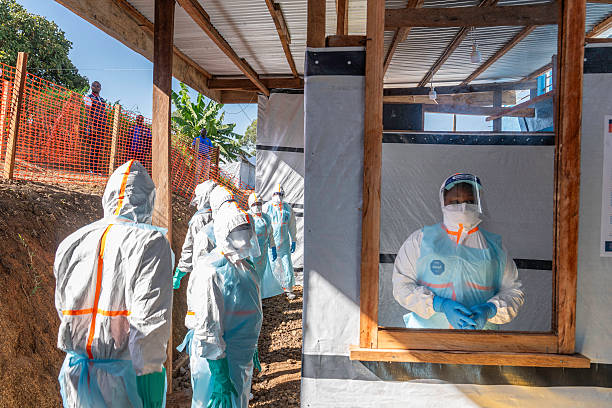
GENEVA / KINSHASA — The ongoing outbreak of Ebola disease, specifically caused by the Bundibugyo ebolavirus, has reached a sobering milestone as health authorities grapple with sustained transmission across the Democratic Republic of the Congo (DRC) and Uganda. As of late June 2026, the cumulative toll of this health crisis has surpassed 1,000 confirmed cases, prompting international health bodies to sound the alarm on the rapid evolution of the epidemic.
The Current State of the Outbreak
Declared on May 15, 2026, the outbreak is now officially recognized by the World Health Organization (WHO) as a Public Health Emergency of International Concern (PHEIC). This classification highlights the severity of the situation, particularly given the virus's ability to cross borders and the significant logistical challenges inherent in the affected regions. The Africa Centres for Disease Control and Prevention (Africa CDC) has similarly designated the crisis a Public Health Emergency of Continental Security, reflecting the regional threat posed by this specific filovirus.
While the DRC remains the epicenter, reporting cases primarily across provinces including Ituri, North Kivu, and South Kivu, the virus has demonstrated a concerning capacity for mobility. In Uganda, while intense surveillance and robust contact-tracing efforts have led to a stabilization of local transmission, the vulnerability of the region remains high due to frequent population movements and cross-border trade.
The Unique Challenge: A Pathogen Without a Shield
A defining—and highly dangerous—feature of this outbreak is the pathogen itself. The Bundibugyo species of Ebola is distinct from the more well-known Zaire ebolavirus. Historically, the Zaire species benefited from the rapid development and deployment of effective, WHO-prequalified vaccines during its outbreaks. In contrast, there are currently no approved vaccines or specific therapeutic treatments for the Bundibugyo strain.
Read Also: New Ebola Outbreak Confirmed in DRC's Ituri Province Involving Vaccine-Resistant Bundibugyo Strain
This absence of medical countermeasures forces health systems to rely on the "fundamentals of control" that have defined successful responses to previous viral threats:
-
Supportive Care: Rigorous clinical intervention to manage symptoms and optimize patient survival rates within specialized treatment centers.
-
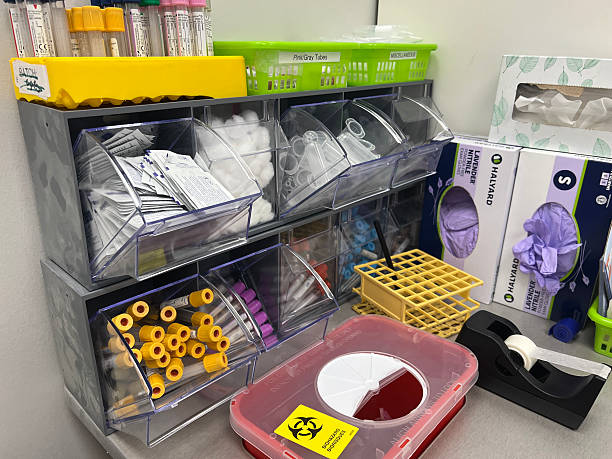
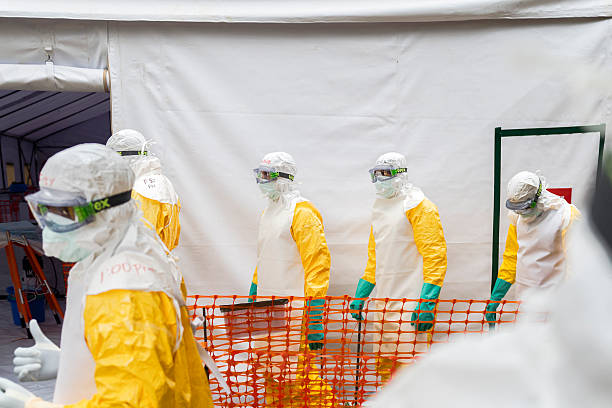
Infection Prevention: Stringent control protocols in both healthcare facilities and community settings to prevent nosocomial (healthcare-associated) transmission.
-
Diagnostic Vigilance: Enhanced laboratory capacity and rapid testing to break transmission chains as soon as they are identified.
Navigating a Complex Humanitarian Landscape
The containment effort is significantly complicated by the challenging environment in which the virus is circulating. The response is not happening in a vacuum; it is unfolding amidst ongoing humanitarian crises, regional insecurity, and population displacement. In many of the most affected health zones, the presence of armed groups and communal violence creates a "security-health paradox," where the teams tasked with saving lives are frequently unable to access the areas of greatest need due to the danger posed by the environment.
Furthermore, remote and densely populated areas present their own logistical nightmares. Infrastructure limitations often result in supply chain bottlenecks, leading to periodic shortages of essential personal protective equipment (PPE) and clinical supplies. Misinformation and stigma also remain powerful barriers; when community trust is low, it becomes nearly impossible to perform safe burials or conduct effective contact tracing, both of which are the bedrocks of outbreak control.
Global Solidarity and the Path Forward
Despite the grim statistics, there is a coordinated, multi-stakeholder effort underway to turn the tide. Global and regional partners are actively scaling up the delivery of diagnostic tools and therapeutic candidates. Recent scientific trials have begun to enroll patients to evaluate potential treatments, representing a hopeful milestone in the search for medical countermeasures specifically for this virus.
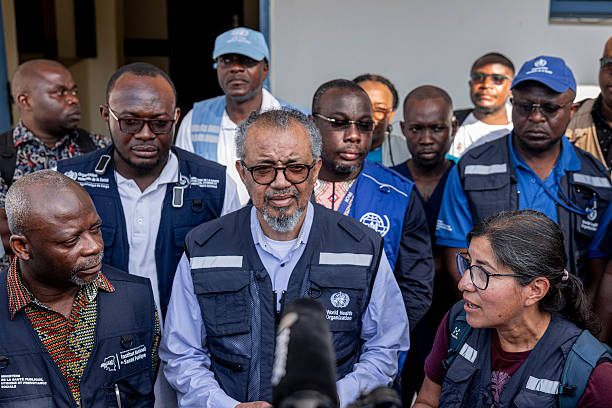
WHO Director-General Dr. Tedros Adhanom Ghebreyesus has continuously emphasized that while healthcare systems are working under extreme duress, the focus must remain on the human element of the response. "We need sustained and safe access to reach all affected people," he stated, stressing that medical interventions are only as effective as the environment in which they are deployed.
The WHO and Africa CDC have launched a joint continental response plan to harmonize data and expand clinical coverage, but they stress that this is not merely a medical mission. "Ultimately, we need peace for the people of the DRC," Dr. Tedros noted. As the outbreak continues to test the resilience of Central Africa’s public health infrastructure, the international community’s commitment to providing sustained resources, trained healthcare personnel, and political support remains the most critical factor in bringing this crisis to a close. The coming months will be decisive in determining whether the response can successfully outpace the virus.