The National Health Insurance Authority has urged Nigerian women to prioritise early detection of breast cancer as the Federal Government expands financial support aimed at reducing the cost of cancer treatment for insured patients.
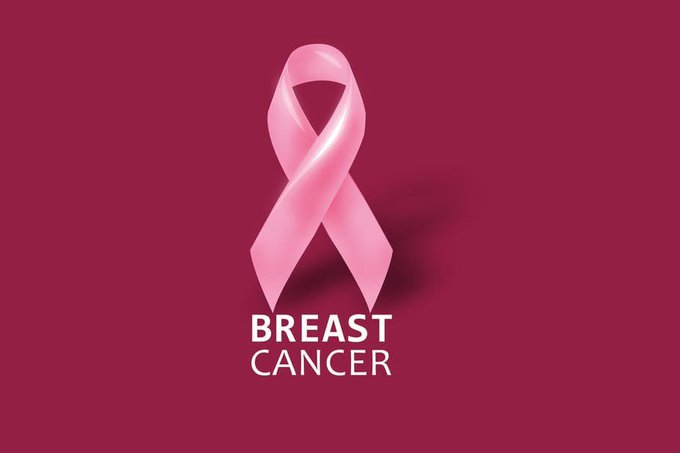
The call comes during Breast Cancer Awareness Month, with the NHIA warning that delayed diagnosis can increase both the health and financial burden of the disease on patients and their families.
According to figures cited by the NHIA from the Global Cancer Observatory, Nigeria records an estimated 32,278 new breast cancer cases and 16,332 deaths annually. Breast cancer remains the most commonly diagnosed cancer among Nigerian women and one of the country's leading causes of cancer deaths.
NHIA expands financial protection for cancer patients
The NHIA has expanded its support for cancer care through a cost-sharing partnership with pharmaceutical company Roche.
Under the arrangement, Roche covers 50 per cent of the cost of selected oncology medicines, while the NHIA contributes 30 per cent. Eligible insured patients are responsible for the remaining 20 per cent.
The arrangement therefore reduces the direct cost of the selected medicines for eligible patients by 80 per cent.
The authority has also introduced additional financial support for radiotherapy, ranging from up to N400,000 to full coverage for eligible patients.
Other cancer-related services available under applicable NHIA benefit packages include mammography, CT and MRI scans, bone scans, laboratory and diagnostic tests, radiotherapy, as well as elements of screening, surgery, chemotherapy and follow-up care.
NHIA says insurance must provide meaningful protection
NHIA Director-General, Dr Kelechi Ohiri, said the effectiveness of health insurance should not be measured simply by the number of people enrolled, but by the protection patients receive when they develop serious illnesses.
The authority said cancer treatment can place prolonged financial pressure on households because patients may require repeated diagnostic tests, surgery, chemotherapy, radiotherapy and specialised medicines.
More than 23 million Nigerians are currently enrolled in the national health insurance system, according to the NHIA. The authority said the expanding enrolment provides a platform for extending financial protection against cancer and other high-cost illnesses.
Early detection remains critical
Despite the expansion of insurance support, the NHIA said financial assistance alone will not solve Nigeria's breast cancer burden.
The authority urged women to pay attention to unusual changes in their breasts, seek medical attention promptly and take advantage of available screening opportunities.
Early detection can allow treatment to begin before the disease becomes more advanced, when treatment may become more complex and expensive.
The NHIA therefore linked the expansion of financial protection with the need for greater public awareness and earlier diagnosis.
Government expands cancer treatment programmes
The insurance measures form part of a broader Federal Government response to cancer.
Nigeria is implementing the National Cancer Control Plan 2026–2030, which covers prevention, early detection, diagnosis, treatment, patient navigation, survivorship, research, data management and expansion of the oncology workforce.
The government is also upgrading six Oncology Centres of Excellence across the country. The NHIA said centres at the University College Hospital in Ibadan, University of Benin Teaching Hospital, University of Nigeria Teaching Hospital in Enugu and Ahmadu Bello University Teaching Hospital in Zaria are already fully operational with specialised equipment, including brachytherapy machines.
Another initiative, the Cancer Access Partnership, provides 27 anti-cancer medicines in 48 formulations across 14 federal tertiary hospitals.
The government also operates a Cancer Health Fund intended to provide assistance to indigent patients suffering from breast, cervical and prostate cancers.
Nigeria still faces a major cancer challenge
The NHIA acknowledged that the new interventions are steps toward addressing the country's cancer burden rather than a complete solution.
The authority said reducing deaths and financial hardship from breast cancer will require stronger awareness, earlier diagnosis, wider access to effective treatment and insurance mechanisms that protect households from potentially devastating medical expenses.
For Nigerian women, the NHIA's message during Breast Cancer Awareness Month is therefore twofold: pay attention to breast health and seek medical advice promptly when concerns arise, while taking advantage of available screening and insurance support.