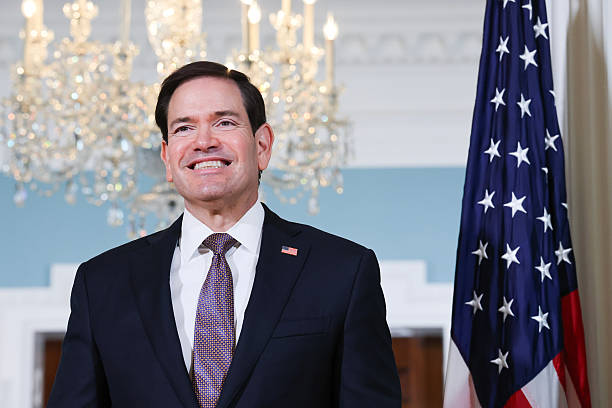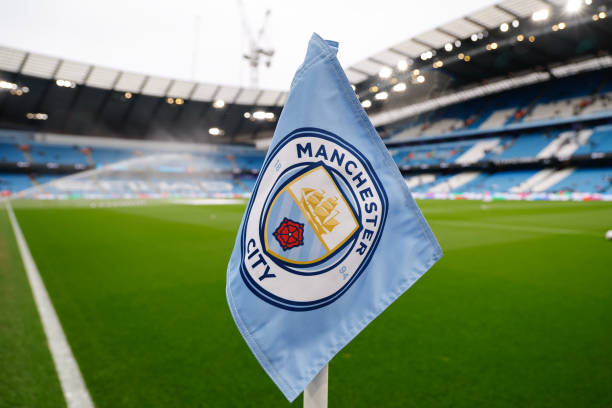
The chair of England’s Independent Football Regulator (IFR), David Kogan, has vowed to resign if politicians attempt to interfere in the handling of Manchester City’s financial misconduct case, insisting that the regulatory process must remain independent.
Kogan made the declaration on October 13, 2026, as the regulator awaited the outcome of Manchester City’s appeal against an independent commission’s findings that the club breached Premier League financial rules over nine seasons.
The case has attracted significant attention because of the potential sanctions facing the club and its ownership links to Abu Dhabi, whose government has extensive economic ties with the United Kingdom.
Regulator Rejects Political Pressure
Speaking during the release of the IFR’s State of the Game report in Manchester, Kogan said he had experienced no political pressure regarding the case.
He warned that any attempt to influence the regulator’s work would prompt him to leave his position.
Kogan said the regulator had come under “absolutely no political pressure whatsoever” on the Manchester City case or any other issue, adding that he did not expect that to change.
His comments were intended to reinforce the independence of the newly established regulator as it prepares to exercise its powers over club ownership, governance and financial sustainability.
The IFR was created by the UK government to strengthen oversight of English football and protect clubs from financial mismanagement.
Manchester City Awaits Appeal Outcome
Manchester City was found guilty by an independent commission of serious breaches of Premier League financial regulations covering the period from the 2009–10 season to 2017–18.
The Premier League said the commission found that City had used commercial agreements that misrepresented the true arrangements with its partners, artificially inflating revenue and reducing costs. It also found that the club had submitted misstated accounts and concealed aspects of its finances from auditors and football regulators.
The commission also upheld the majority of the league’s allegations that City had failed to cooperate fully with its investigation.
City has challenged the findings and maintains that the commission’s conclusions contain material errors. Its appeal remains a crucial step before the consequences of the ruling can be determined.
Possible sporting penalties discussed in connection with the case include a substantial fine, points deductions and expulsion from the Premier League. However, no final punishment should be treated as established while the appeal process remains unresolved.
Concerns Over Manchester City’s Abu Dhabi Ownership
The controversy has also raised questions about whether diplomatic and economic relations between the UK and the United Arab Emirates could affect the handling of the case.
Manchester City is owned by Sheikh Mansour bin Zayed Al Nahyan, a senior member of Abu Dhabi’s ruling family and a deputy prime minister of the UAE.
The UAE is a significant investor in the UK, creating concerns among some observers about the possibility of political pressure if the case ultimately threatens the club’s current ownership.
Those concerns intensified after Prime Minister Andy Burnham said he would be concerned if Manchester City lost its existing ownership, while also stating that he would not become directly involved in the process.
Kogan’s response was that the regulator must make decisions according to its legal responsibilities and evidence, rather than political considerations.
Could the Regulator Force Manchester City’s Owners to Sell?
The IFR has powers to assess whether club owners and directors meet the required standards of suitability.
These assessments can consider matters such as integrity, honesty and financial soundness. Where the legal requirements are met, the regulator has powers that could ultimately require an owner to sell a club.
However, Kogan indicated that the regulator would wait for the Manchester City appeal to conclude before considering the findings as part of any relevant ownership assessment.
He said a verdict that had completed the appeal process would be taken into account when assessing whether owners, directors and senior executives should be approved under the regulatory system.
This means the financial misconduct case and the regulator’s ownership assessment are related but distinct processes. The appeal outcome will be important in determining what action, if any, the regulator could take.
Regulator’s Report Highlights Financial Problems Across English Football
Kogan’s comments came as the IFR published its draft State of the Game report, which raised concerns about the financial condition of clubs across England’s football pyramid.
The report found that 94% of the 116 clubs covered by the regulator were operating at a loss in the 2025–26 season. It also warned that many clubs remain heavily dependent on financial support from their owners and could face serious difficulties if that funding were withdrawn.
The regulator proposed stronger financial controls and contingency planning to reduce the risk of clubs collapsing.
It also called for reforms to the distribution of money between the Premier League and lower divisions, including a review of parachute payments given to clubs relegated from the top flight.
The Premier League has supported the need for financial sustainability but has argued that its proposed funding arrangements could help address the challenges facing lower-league clubs. The English Football League has also called for a settlement that supports the wider game.
The report is subject to an eight-week public consultation before a final version is published.
What Happens Next?
The immediate priority is the conclusion of Manchester City’s appeal against the independent commission’s findings.
The regulator will then be able to consider the outcome alongside its responsibilities for club ownership and licensing. Reports have indicated that a resolution could come in early 2027, although the precise timing remains uncertain.
For Kogan, the central issue is that the process must remain independent of political influence.
His warning that he would resign if interference occurred places the regulator’s independence at the centre of a case with potentially significant consequences for Manchester City and the wider English game.
The final outcome will depend on the appeal process and any subsequent decisions made by the relevant football authorities and regulator.