GENEVA — The World Health Organisation (WHO) has issued an urgent public health message advising individuals worldwide to undergo routine blood pressure screenings. The global health agency characterized hypertension as a pervasive "silent threat" that frequently inflicts irreversible structural damage on internal organs long before noticeable physical symptoms occur.
The public advisory, released via the agency's verified media channels, underscores that early detection, precise tracking, and sustained therapeutic control are vital to curbing premature mortality linked to cardiovascular events, stroke, and chronic kidney failure.
"High blood pressure often has no warning signs, but it can quietly damage your heart, brain, kidneys, and blood vessels," the World Health Organisation stated. "Check your blood pressure regularly, keep track of your readings over time, and aim for a healthy blood pressure below 140/90 mmHg. The sooner you know your numbers, the sooner you can take steps to protect your health.Know your numbers. Take control. Stay healthy. Taking action today can help prevent serious health problems tomorrow."
Understanding the Silent Crisis: Pathology and Targeted Organ Damage
Hypertension—clinically identified when systemic arterial pressure remains persistently elevated—is widely regarded by medical epidemiologists as one of the single greatest contributors to preventable adult illness and death across the globe.
The primary danger of high blood pressure lies in its asymptomatic nature. While an acute injury or infection presents immediate pain or discomfort, high systemic pressure exerts relentless mechanical force against the delicate endothelium lining the vascular network without triggering early physiological warning signals. Over time, this unmitigated mechanical strain causes blood vessels to harden, narrow, and lose structural elasticity.
When arterial walls deteriorate under sustained high pressure, key vital organs suffer severe metabolic and structural damage:
The cardiac muscle must overcome significantly heightened systemic resistance to circulate oxygenated blood throughout the body. This workload forces the heart's left ventricle to thicken and enlarge, ultimately predisposing patients to hypertensive heart disease, heart failure, and myocardial infarction.
Sustained arterial stress in the brain's delicate cerebral vasculature severely increases the probability of ischemic or hemorrhagic strokes. Furthermore, chronic vascular strain is directly linked to vascular dementia and cognitive decline in aging populations.
The delicate microvascular filtration units within the kidneys (nephrons) are particularly susceptible to elevated pressure. Uncontrolled hypertension gradually destroys these filtering units, leading to chronic kidney disease and, ultimately, total end-stage renal failure requiring dialysis or transplantation.
Diagnostic Benchmarks and Global Target Guidelines
Standard clinical practice defines hypertension as persistent resting office or clinic readings equal to or exceeding 140 mmHg for systolic pressure (the force exerted when the heart contracts) and/or 90 mmHg for diastolic pressure (the pressure inside the arteries when the heart rests between beats).
While the global baseline benchmark for clinical intervention remains set at 140/90 mmHg, leading cardiovascular bodies—including the European Society of Cardiology and the American Heart Association—increasingly emphasize that organ damage begins at much lower thresholds. Baseline pressures routinely measuring between 120–139 mmHg systolic or 80–89 mmHg diastolic are categorized as elevated, representing a critical window for early lifestyle intervention before clinical hypertension fully develops.
Global health statistics reveal that an estimated 1.4 billion adults live with hypertension worldwide, with the vast majority residing in low- and middle-income countries where diagnostic access remains constrained.Crucially, public health data indicates that nearly half of all adults living with hypertension are entirely unaware of their status, and fewer than one in four have their condition adequately controlled through clinical treatment plans.
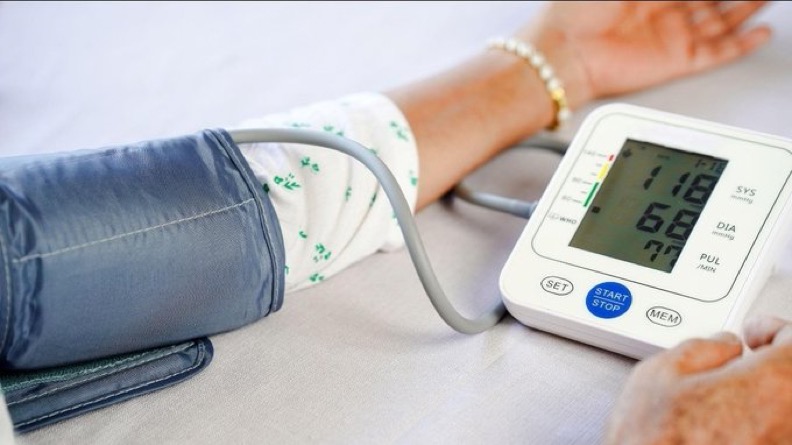
To combat this gap, global screening efforts like "May Measurement Month" continue to push for decentralized screening, encouraging individuals to access local pharmacies, community health clinics, or home-use diagnostic tools to capture routine baseline readings.
Integrated Management: Lifestyle Interventions and Clinical Strategies
Public health experts and clinical cardiologists emphasize that managing hypertension requires a combined approach incorporating targeted lifestyle modifications and, when necessary, pharmacological therapy.
When elevated blood pressure is detected in its early stages, non-pharmacological interventions can significantly reduce systemic arterial pressure:
Modifying daily dietary habits by dramatically reducing sodium (salt) intake and increasing potassium-rich foods (such as leafy greens and legumes) helps optimize fluid balance and lower arterial wall strain.
Engaging in at least 150 minutes of moderate-intensity aerobic exercise weekly helps strengthen the cardiac muscle, reduce arterial stiffness, and support long-term weight management.
Eliminating tobacco usage prevents immediate chemical-induced spikes in blood pressure, while moderating alcohol consumption protects vascular lining and reduces long-term cardiovascular risks.
When lifestyle modifications alone are insufficient to reduce pressure below the target 140/90 mmHg threshold, clinical guidelines advocate for prompt pharmacological treatment. Modern hypertension management relies heavily on proven, highly effective class medications—including Angiotensin-Converting Enzyme (ACE) inhibitors, Angiotensin II Receptor Blockers (ARBs), Calcium Channel Blockers, and Thiazide Diuretics.
Cardiovascular specialists increasingly recommend fixed-dose combination therapies—where two or more distinct antihypertensive agents are combined into a single daily tablet—to streamline treatment regimens, lower side-effect profiles, and optimize long-term patient compliance.
The Public Health Directive: Strengthening Healthcare Systems
To effectively curb the global cardiovascular burden, the WHO continues to push governments, ministries of health, and local healthcare administrators to integrate routine blood pressure screening into primary healthcare delivery networks.
Public health analysts stress that expanding access to simple, affordable diagnostic equipment and ensuring an uninterrupted supply of low-cost generic antihypertensive medications can dramatically alleviate economic strain on national healthcare infrastructure. Preventing a single major stroke or heart attack through proactive screening costs a fraction of providing acute emergency care and long-term disability rehabilitation.
By encouraging individuals to routinely monitor their health numbers and take proactive steps, health authorities aim to transition global health models from reactive treatment to proactive prevention—ultimately saving millions of lives each year from preventable cardiovascular disease.