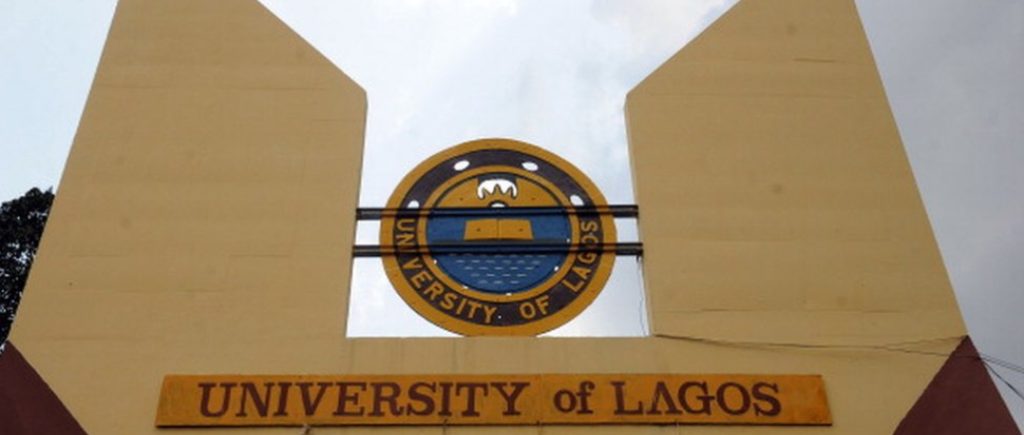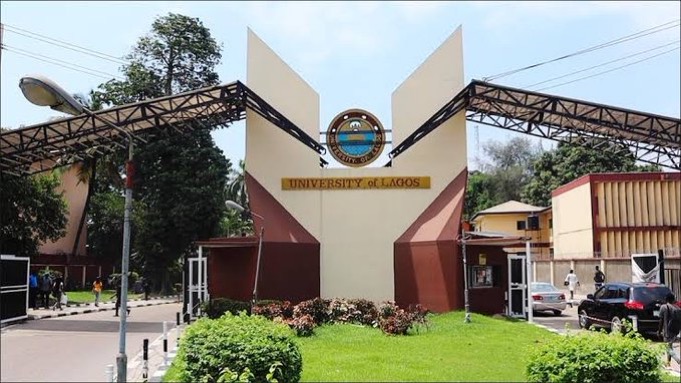
LAGOS — Following intense public criticism and social media outrage, the management of the University of Lagos (UNILAG) in Akoka has officially withdrawn a controversial sexual harassment advisory aimed at female students. The university clarified that the contents of the public notice do not align with its institutional values and reaffirmed its strict zero-tolerance policy regarding sexual assault, rape, and victim-blaming.
The decision was communicated through an official press statement issued on Monday by the Head of the Communication Unit, Adejoke Alaga-Ibraheem. The move comes as a direct response to nationwide condemnation triggered by a roll-up banner produced and displayed by the university's Student Affairs Division.
The banner, which was placed in public areas on campus before images went viral across digital platforms, offered a list of "precautionary measures" for female undergraduates. Among the most criticized directives were instructions advising women not to shake hands casually with men, avoid dressing provocatively, refrain from accepting gifts, and avoid mingling carelessly with male peers.
Official Institutional Statement and Rebuttal of Victim-Blaming
Addressing the mounting public outrage, the university executive management acknowledged that while the physical publication originated from its Student Affairs Division, the framing of the messaging was deeply flawed and did not represent the university's official policy stance or moral framework.
The official statement issued by Adejoke Alaga-Ibraheem emphasized that the administration recognized the gravity of the public concern and took immediate steps to dismantle and retract the materials.
"The Management of the University of Lagos is aware of recent public concerns, commentary, and outrage following the circulation on social media of an image showing a publication on sexual harassment," the statement read. "We acknowledge that the publication was originally produced by the University’s Student Affairs Division. However, it has been withdrawn, as its content does not reflect the values, position, or standards of the University of Lagos."
The statement further emphasized the institution's explicit rejection of any narrative that places the burden of safety or moral responsibility onto potential victims of sexual violence:
"The University of Lagos wishes to state unequivocally, and for the record that we do not tolerate rape or sexual harassment in any form, nor do we validate, engage in, or support victim-blaming or shaming. Placing the responsibility on victims or suggesting that individuals are to blame for being subjected to harassment is entirely unacceptable and contrary to the core values of our institution."
National Debate: Personal Safety Versus Perpetrator Accountability
The rapid withdrawal of the circular follows days of intense national debate spanning student unions, civil society groups, human rights activists, and gender advocacy organizations across Nigeria.
The initial public reaction to the Student Affairs advisory highlighted a deep societal divide. While a segment of conservative commentators defended the banner as practical safety advice rooted in traditional caution, human rights lawyers and student rights advocates strongly condemned the publication. Critics argued that advising female students to restrict their physical movements, attire, and social interactions reinforces harmful stereotypes, masks institutional failures, and shifts accountability away from perpetrators of sexual violence.
Gender rights advocacy groups pointed out that institutional guidelines must focus on enforcing strict disciplinary measures against offenders, establishing transparent reporting channels, and fostering a culture of consent and respect among male students and faculty members, rather than regulating the behavior of women.
In its corrective statement, UNILAG management acknowledged these concerns, affirming that sexual misconduct is a severe violation that affects individuals across all gender demographics:
"Sexual harassment is a serious misconduct that has no place in our community and must never be trivialised. We also recognise that sexual harassment is not gender-specific and can affect anyone. We, therefore, encourage any student who has experienced or witnessed sexual harassment to utilise the University’s official, confidential reporting structures to ensure immediate investigation and support."
Contextual Background: Anti-Harassment Reforms and Institutional Challenges
The swift retraction of the advisory underscores the heightened sensitivity surrounding gender-based violence and administrative accountability in Nigerian tertiary institutions.
In recent years, higher education institutions across West Africa, including the University of Lagos, have faced intense public scrutiny over allegations of sexual exploitation, transactional academic practices, and administrative power imbalances. High-profile investigative reports and police cases have periodically exposed incidents involving academic staff and student groups.
For instance, earlier this year, public attention was drawn to serious allegations involving a university lecturer accused of assaulting an undergraduate inside a campus office. Similar historical cases, including criminal arraignments linked to student gang assaults on campus grounds, have kept the university under continuous pressure to maintain robust, survivor-centered protective frameworks.
Educational policy experts note that the public backlash against the Student Affairs banner demonstrates an evolving standard of public expectation in Nigeria. Stakeholders increasingly demand that academic institutions implement structural, policy-driven safeguards rather than relying on outdated, patronizing advisories that police student behavior.
Reaffirming Institutional Commitments to Safe Learning Environments
Concluding its official communication, the University of Lagos administration reaffirmed its determination to foster an equitable, safe, and dignified academic atmosphere for all staff and students.
The university administration assured the public that it remains committed to reviewing its internal communication protocols, strengthening its dedicated gender policy units, and ensuring that future awareness campaigns reflect modern legal, ethical, and human rights standards.
By formally retracting the controversial banner and publicly disavowing victim-blaming rhetoric, UNILAG aims to restore confidence among its student body and reassure parents, civil society organizations, and international academic partners of its commitment to maintaining a secure, inclusive learning environment.