NECO records decline in 2026 pass rate
The National Examinations Council (NECO) has released the results of the 2026 Senior School Certificate Examination (SSCE), with 804,948 candidates, representing 58.67 per cent, obtaining at least five credits including English Language and Mathematics.
The figure represents a 2.64 percentage-point decline from the 60.26 per cent recorded in the 2025 examination, when 818,492 candidates achieved five credits and above including the two core subjects.
NECO Registrar, Professor Dantani Wushishi, announced the results on Thursday, September 24, at a press briefing in Minna, Niger State.
The results were released about 63 days after candidates completed the examination.
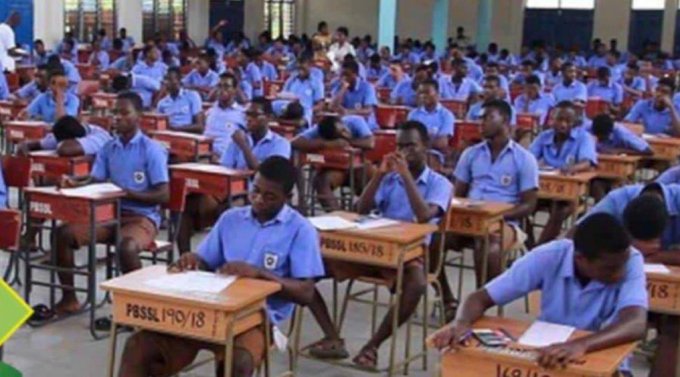
More than 1.37 million candidates sat for the examination
According to NECO, 1,378,048 candidates registered for the 2026 SSCE.
Of that number, 1,371,992 candidates eventually sat for the examination.
The examination began on June 15 and ended on July 23, 2026.
The registered candidates included 682,352 males and 695,696 females, while 678,903 males and 693,089 females eventually sat for the examination.
The results therefore cover a large population of secondary-school students across Nigeria and other participating locations.
84.70% obtained five credits regardless of English and Mathematics
While 58.67 per cent met the five-credit requirement including English Language and Mathematics, the proportion was significantly higher when performance in those two subjects was excluded.
NECO said 1,162,118 candidates, representing 84.70 per cent, obtained five credits and above irrespective of their performance in English Language and Mathematics.
The difference highlights the importance of the two subjects in determining the headline pass rate.
Candidates may have obtained five or more credits across their subjects but failed to meet the specific requirement involving English and Mathematics.
Pass rate falls from 60.26% to 58.67%
The 2026 result marks a decline from last year's performance.
In 2025, 818,492 candidates, representing 60.26 per cent, obtained five credits and above including English Language and Mathematics.
This year, the number fell to 804,948, while the percentage declined to 58.67 per cent.
That represents a drop of 13,544 candidates and 2.64 percentage points compared with 2025.
The decline means that fewer than six out of every 10 candidates who sat for the examination achieved the specified five-credit combination.
Examination malpractice drops significantly
One of the notable developments in the 2026 examination was a substantial reduction in reported examination malpractice.
NECO said 1,406 candidates were involved in malpractice cases, compared with 3,878 candidates in 2025.
That represents a decline of about 64.74 per cent, according to the council's figures.
The council attributed the reduction to measures introduced to strengthen examination monitoring and administration.
Wushishi also credited security agencies, particularly the Nigeria Security and Civil Defence Corps (NSCDC) and the Department of State Services (DSS), for supporting the conduct of the examination.
The registrar said their presence helped reinforce discipline and deter examination-related wrongdoing.
Computer-based examination credited with reducing malpractice
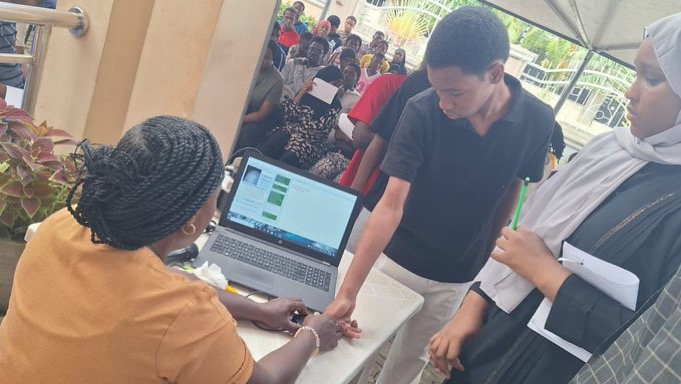
NECO also linked the reduction in malpractice to the adoption of computer-based examinations.
During the results briefing, Wushishi said the transition to computer-based testing had contributed to reducing examination malpractice.
The council has been progressively introducing computer-based testing as part of its efforts to modernise the examination process and strengthen the integrity of its assessments.
The move represents a significant change from traditional paper-based examinations, where malpractice has historically presented a major challenge to examination bodies.
NECO responds to concerns over ‘miracle centres’
The results briefing also touched on the issue of so-called "miracle centres", a term commonly used in Nigeria to describe examination centres accused of facilitating malpractice or helping candidates obtain results improperly.
Wushishi said NECO was not involved in such centres and stated that the council has established criteria for registering examination centres.
He said NECO operates only one school and therefore should not be associated with privately or state-owned institutions described as miracle centres.
The registrar's comments came as part of questions surrounding examination integrity and the council's responsibility for monitoring centres where its examinations are conducted.
Candidates with special needs also participated
NECO reported that 1,334 candidates with special needs participated in the 2026 SSCE.
The participation forms part of the council's broader examination administration, with candidates with different needs included in the examination process.
The council has continued to highlight the need for examination systems to accommodate candidates across different circumstances.
What the results mean for candidates
For candidates, the release of the results now allows them to determine whether they have met the requirements for their next stage of education.
Those seeking admission into higher institutions will particularly need to examine their individual subject results and compare them with the requirements of their chosen courses and institutions.
The overall NECO pass-rate figure does not determine whether an individual candidate has passed or failed.
Instead, candidates must check their own results and the grades obtained in each subject.
The distinction is especially important because the 84.70 per cent figure includes candidates who obtained five credits regardless of their English and Mathematics performance, while the 58.67 per cent figure specifically requires the five-credit combination to include both subjects.
NECO promises continued examination reforms
The council said it would continue working to uphold the integrity of its examinations.
The reduction in malpractice comes alongside the introduction of more technology into examination administration.
At the same time, the decline in the proportion of candidates obtaining five credits including English and Mathematics is likely to keep attention focused on student performance in the two subjects.
For schools, parents and education stakeholders, the results provide another measure of the performance of secondary-school students across Nigeria.
The 2026 examination ultimately produced a mixed picture: the proportion meeting the five-credit requirement including English and Mathematics declined from the previous year, while reported examination malpractice also fell substantially.
With the results now released, candidates can proceed to assess their individual grades and make decisions about their next educational steps.