DAKAR — The humanitarian landscape in West and Central Africa remains in a state of flux, defined by a complex intersection of conflict, displacement, and systemic instability. A recent report from the United Nations Children’s Fund (UNICEF) paints a sobering picture of the region, where the fundamental rights of millions of children—particularly the right to safe, continuous education—are under sustained pressure.
The Education Crisis: A Region Under Siege
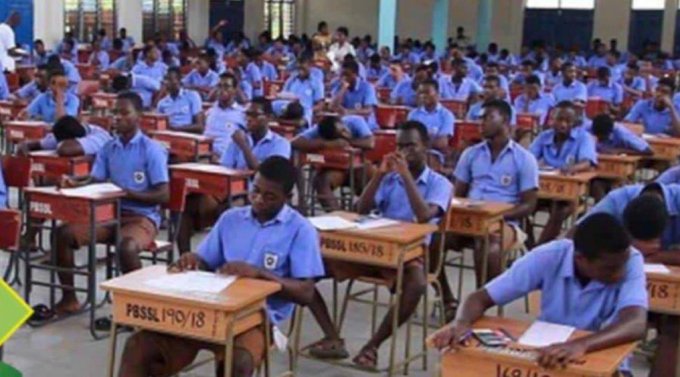
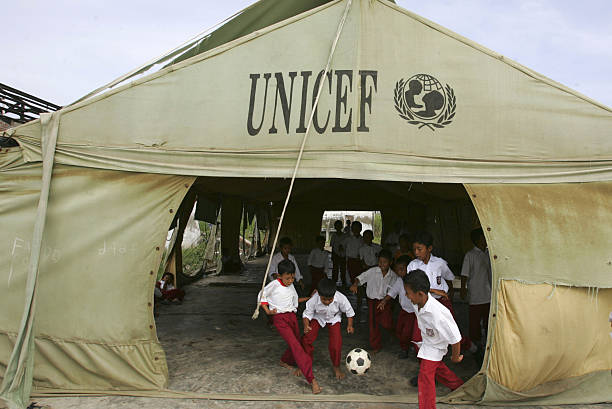
As of mid-2025, over 14,000 schools across West and Central Africa were shuttered due to insecurity and armed conflict. This closure of educational infrastructure has created a profound disruption for more than three million children, many of whom have been unable to attend school for years.
The crisis is not uniform, but it is widespread. Countries such as the Democratic Republic of the Congo (DRC) and Nigeria have reported the sharpest increases in school closures, significantly aggravating the region’s pre-existing educational challenges. West and Central Africa already accounts for a disproportionate share of the world’s out-of-school population, and these conflict-induced closures threaten to cement these inequalities for a generation. The consequences of these disruptions extend far beyond the classroom; children denied an education are at a heightened risk of recruitment by armed groups, forced labor, physical violence, and sexual exploitation.
Digital Resilience: Innovation in the Face of Adversity
Despite these overwhelming challenges, the UNICEF report highlights a spirit of resilience and innovation.Recognizing that physical school buildings are no longer guaranteed, humanitarian actors have accelerated the deployment of digital learning platforms.
-
The Learning Passport: This digital platform has become a lifeline for continuity, successfully reaching 2.5 million users. It provides curriculum-aligned resources that allow children to continue their education at home or in temporary learning spaces.
-
Connectivity Initiatives: Through strategic partnerships with the private sector and local governments, over 2,000 schools have been connected to the internet, providing a vital bridge to digital resources in regions previously isolated from modern educational tools.
These initiatives align with the African Union’s ambitious decade-long mission to transform education and skill development across the continent. By fostering digital literacy and expanding access to remote learning, these programs are attempting to build an "education system of the future" that is more resilient to environmental and political shocks.
Public Health and the "Big Catch-Up"
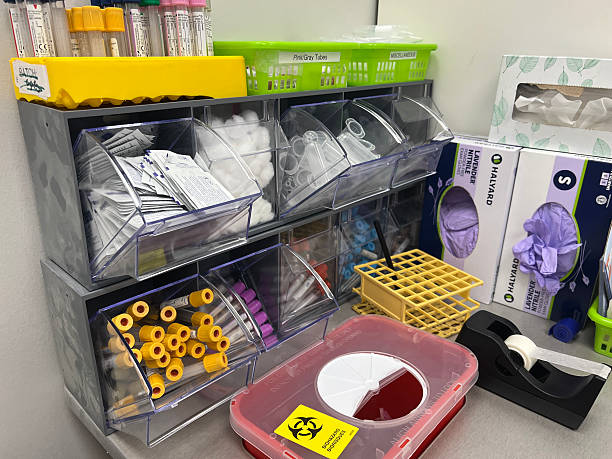
The UNICEF report also outlines significant strides in public health, despite the challenging operational environment. The "Big Catch-Up" initiative, launched to address the backsliding of immunization coverage during the global pandemic years, has successfully reached millions of zero-dose and under-vaccinated children.
-
Vaccine Campaigns: Coordinated efforts across 15 nations have significantly reduced cases of vaccine-derived polio and expanded access to vital vaccines for measles, malaria, and HPV.
-
Maternal and Neonatal Health: While broader child health metrics have trended upward, neonatal mortality—the death of a child within the first 28 days of life—remains a critical bottleneck. Recent data from 2026 indicates that neonatal mortality in the region remains significantly higher than the Sustainable Development Goal (SDG) 3.2 targets. Addressing this will require scaling up low-cost, proven interventions, such as skilled birth attendance, improved neonatal infrastructure, and the systematic training of midwives.
A Humanitarian Emergency: Displacement and Vulnerability
The educational and health crises described by UNICEF are occurring against the backdrop of an even broader humanitarian emergency. Data from the United Nations Office for the Coordination of Humanitarian Affairs (OCHA) in its Global Humanitarian Overview 2026 highlights that escalating violence and climate-related disasters have forced millions to flee their homes.
Currently, the region hosts 12.7 million internally displaced persons (IDPs) and 3.7 million refugees and asylum-seekers. These populations are overwhelmingly composed of women and children who face extreme risks:
-
Protection Concerns: Displaced populations face elevated threats of gender-based violence, exploitation, and extreme poverty.
-
Systemic Strains: The constant influx of displaced persons places immense pressure on already fragile public health and educational systems, making it difficult for governments to deliver even basic services.
The Path Forward: A Call for Sustained Investment
While the region has demonstrated remarkable resilience in navigating political transitions and climate shocks, progress remains dangerously uneven. UNICEF emphasizes that resilience is not a substitute for systemic support. The agency is calling for urgent, sustained international investment to protect the rights of children in conflict-affected zones.
Without targeted funding for education in emergencies—an area currently facing significant global aid shortfalls—and a strengthened commitment to resilient health systems, the gap between West and Central Africa and the rest of the world may continue to widen. The future of the region depends on the ability of international and local partners to transform these humanitarian stop-gap measures into long-term, stable systems that can withstand the crises of the future.