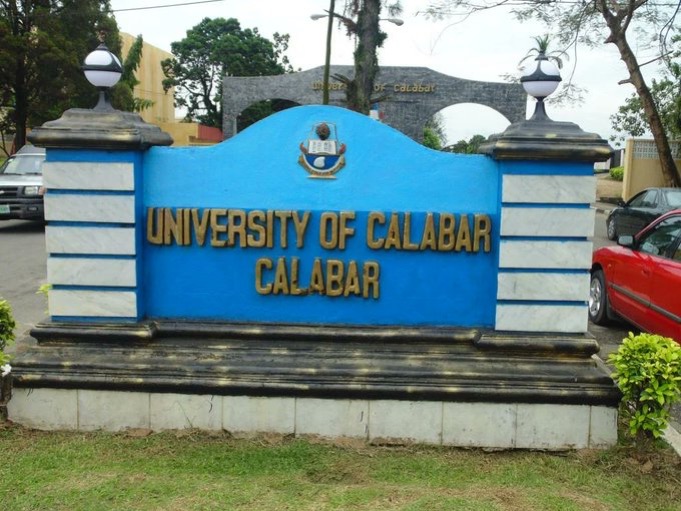
CALABAR, NIGERIA — The Governing Council of the University of Calabar (UNICAL) has announced the dismissal of eight personnel, cut across both academic and non-teaching cadres, following investigations into various institutional offenses. The severe disciplinary actions, which target infractions ranging from examination malpractice to theft of university property, were officially made public in a statement signed by the university’s Registrar and Secretary to Council, Dr. Icha Chukwuka, on Saturday, July 18, 2026.
According to the official communication, the drastic resolutions were finalized during the 174th statutory meeting of the institution's Governing Council. The apex decision-making body acted directly upon the comprehensive reports and recommendations submitted by the internal disciplinary committees tasked with investigating various allegations of professional misconduct.
In addition to the outright terminations, the council approved a punitive deferment of promotion for another high-ranking academic staff member, signaling a synchronized effort to restore structural integrity to the premier tertiary institution.
Breakdown of Academic Offenses: Examination Misconduct and Result Alteration
The most significant disciplinary cases centered on the erosion of academic standards, specifically targeting examination malpractices and the manipulation of student records within vital science departments.
Among the academic staff members affected by the council's direct dismissal order is Professor Emilia Oyira of the Department of Nursing Science. Professor Oyira was relieved of her university appointment following a formal investigation into allegations of examination misconduct. The dismissal of a full professor underscores the severity with which the institution is currently approaching breaches of academic protocol.
Similarly, the Department of Pure and Applied Chemistry saw the termination of Mr. Eworo Valentine Ibor. Internal disciplinary reviews determined that Mr. Ibor was involved in the deliberate falsification and unauthorized alteration of academic examination results.
Academic administrators note that manipulating grade sheets compromises the global value of institutional degrees, making strict punishment necessary to deter future infractions.
Operational Violations: Chronic Absenteeism and Abandonment of Post
A significant portion of the disciplinary actions addressed chronic absenteeism and the outright abandonment of official duties. The Governing Council emphasized that the prolonged failure of staff members to report to their designated desks without official leave heavily disrupts the administrative and clinical workflows of the university.
Four staff members were dismissed under these specific operational guidelines:
• Dr. Arum Priscilia Nchekwube: Department of Internal Medicine.
• Mr. Ukachukwu Echezunachi Darlington: Department of Chemical Pathology.
• Mrs. Akinrinade Opayemi Ogunluyi: Department of Microbiology.
• Mrs. Okoi Nyesam Eni: Clinical Medical Hostel.
The inclusion of personnel from clinical pathology and internal medicine highlights the severe impact of these infractions. In these areas, operational neglect directly affects specialized medical training and research.
The university’s human resource codes state that continuous absence from duty without authorized documentation constitutes an automatic breach of contract, leaving the institution with no option but summary dismissal to preserve operational efficiency.
Financial Fraud and Asset Vandalization
Beyond academic and administrative neglect, the Governing Council addressed criminal actions involving the theft of university assets and the unauthorized diversion of institutional funds.
Within the university’s operational infrastructure division, the council authorized the immediate dismissal of Mr. Joseph Edet Okon, an employee attached to the Works Department. Mr. Okon was implicated in the systemic vandalization and illegal removal of premium armored cables powering vital parts of the campus grid.
In addition to property theft, the university addressed a serious breach of financial trust. Mr. Emmanuel Adariku, an officer previously deployed at the UNICAL Alumni Relations Office, was dismissed for executing unauthorized withdrawals from the "Friends of Malabor Alumni Trust Funds" account.
Trust funds of this nature are specifically created to manage contributions from former students for infrastructure development. The unauthorized diversion of these funds directly threatened the university's relationships with external donors and alumni networks.
Deferred Promotions and Financial Penalties
The Governing Council chose to apply structured disciplinary measures rather than immediate termination in one specific case involving both negligence and academic misconduct.
The council approved a formal two-year delay in the promotion of Dr. Mathias Agba, a faculty member within the Department of Nursing Science. Dr. Agba was found liable for negligence of duty alongside related allegations of examination misconduct.
Alongside the long-term career stagnation, the penalty includes a 50 percent forfeiture of his withheld salary during the disciplinary period. This dual approach serves as a final administrative warning, hitting both the professional standing and the financial compensation of the academic while keeping him under close institutional supervision.
The Rebranding Mandate: Commitments to Institutional Integrity
The wide-ranging disciplinary actions reflect a broader, deliberate strategy by the university's current leadership team to restructure internal operations. The university management used the public briefing to reiterate its zero-tolerance stance toward all forms of unethical behavior, corrupt practices, and professional negligence.
The administration, led by Vice-Chancellor Professor Offiong Offiong, remains explicitly committed to rebranding the University of Calabar on a foundation of absolute integrity, professional transparency, and excellence in public service delivery.
University insiders indicate that the public exposure of these internal dismissals is a calculated message to both academic and non-teaching unions that the current administration will not tolerate actions that damage the university's reputation.
As the university pushes past its 174th Governing Council meeting, these strict enforcement measures are expected to establish a benchmark for corporate governance and disciplinary oversight across the wider landscape of Nigerian tertiary education.