ABUJA — The Federal Government of Nigeria has announced plans to phase out the "disarticulation policy," which currently mandates the administrative and structural separation of Junior Secondary Schools (JSS) and Senior Secondary Schools (SSS).
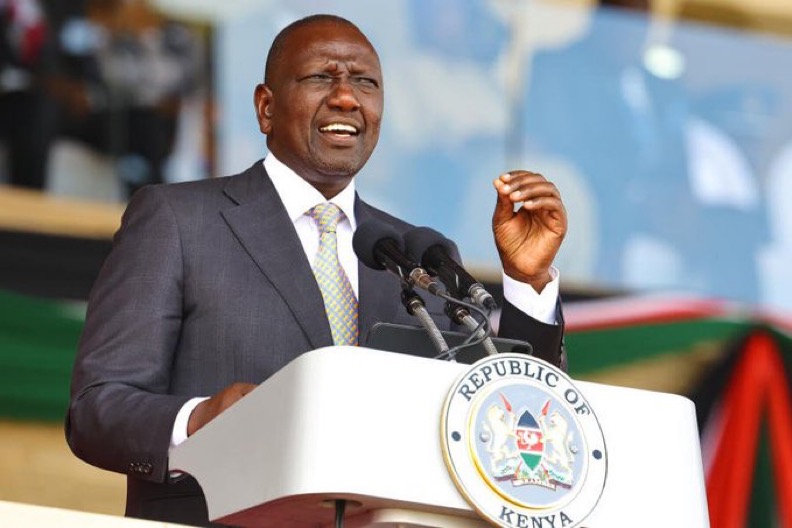
The policy shift was confirmed by the Minister of Education, Dr. Tunji Alausa, on June 30, 2026, during the inauguration of the Universal Basic Education Commission (UBEC) Ministerial Implementation and Monitoring Committee in Abuja.
Addressing the National Dropout Crisis
The decision comes as the government grapples with data revealing that over 20 million pupils drop out of the education system before transitioning from junior to senior secondary levels. Minister Alausa identified the administrative fragmentation of the two school levels as a significant, albeit often overlooked, contributor to this phenomenon.
According to the Minister, the current model has created a stark imbalance in infrastructure and resource allocation:
-
The Ratio Imbalance: Nigeria operates approximately 80,000 public primary schools but only about 15,000 junior secondary schools—a one-to-eight ratio that severely restricts the progression of learners from basic to secondary education.
-
Structural Inefficiencies: The requirement for JSS and SSS to operate as distinct institutions with separate principals and facilities has led to overcrowded junior secondary facilities, while many senior secondary schools remain significantly underutilized.
Minister Alausa described the disarticulation policy as a failure, asserting that the government’s priority must be the needs of the Nigerian child rather than maintaining administrative bureaucracy. The proposal to abolish the separation will be tabled for consideration at the next meeting of the National Council on Education.
Read Also: FG Drops UTME for Colleges of Education and Agribusiness Courses to Unlock 1.5 Million Admissions
Redefining Educational Administration
The reform aims to replace the current fragmented arrangement with an uninterrupted 12-year basic education structure. Proponents of the change argue that collapsing the administrative separation between JSS and SSS could reduce personnel costs, improve continuity in a student's academic progression, and better utilize existing infrastructure.
However, the policy announcement has sparked debate among education stakeholders. While some welcome the move as a necessary step to reduce transition gaps, others express concern that administrative restructuring alone may not address the root causes of the out-of-school crisis, which include poverty, insecurity, and the high cost of education at the senior secondary level.
Monitoring and Optimization of UBEC Projects
In addition to the policy shift, the Minister inaugurated a specialized committee chaired by Prof. Rashid Aderinoye. This body is charged with overseeing the status of UBEC-funded Smart Schools, Bilingual Schools, and Alternative Schools across the country.
Minister Alausa expressed concern over reports that despite significant investment, many of these projects remain incomplete, unstaffed, or underutilized. The committee has been mandated to:
-
Accelerate Project Delivery: Ensure the timely completion of all ongoing construction and infrastructure projects.
-
Operational Readiness: Facilitate the handover of facilities to state governments, ensure they are fully furnished, and confirm that teachers are deployed and learners enrolled.
-
Accountability: Prevent the waste of public resources by ensuring that every educational investment translates into a fully functional school capable of delivering quality learning.
The government's announcement signals a renewed focus on streamlining educational management and removing structural barriers to access, as the administration seeks to stabilize the sector and reverse the trend of rising student dropouts.