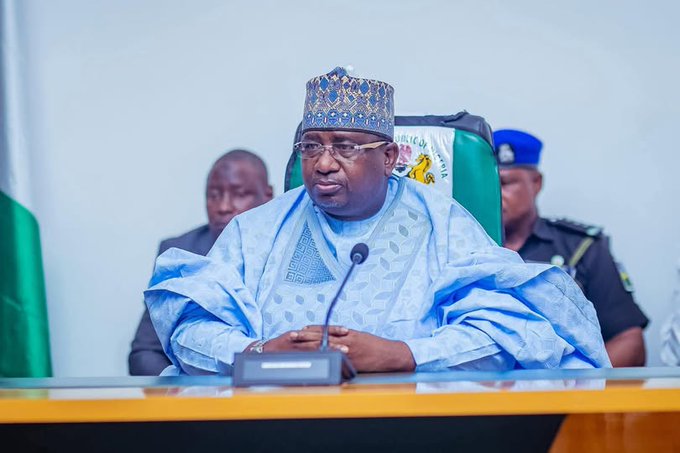
BIRNIN KEBBI — Governor Nasir Idris of Kebbi State has pledged to improve the welfare of primary school teachers by inaugurating a committee tasked with reviewing their salary structure. The announcement came during an interactive session with key education stakeholders at the Presidential Lodge in Birnin Kebbi, where the governor reaffirmed his commitment to the full implementation of the new minimum wage.
Salary Review and Welfare Initiatives
Governor Idris, a former teacher himself, emphasized that his administration views the education sector as a top priority. The newly proposed committee has been given a 30-day mandate to submit its findings and recommendations regarding salary scales and general teacher welfare.
To further support the workforce, the governor outlined several upcoming welfare programs:
Loan Schemes: Plans are underway to introduce affordable loan packages for teachers, covering vehicle, motorcycle, and housing needs.
Fair Implementation: The governor directed local government chairmen to ensure the ongoing salary adjustments are fully and correctly implemented across all councils.
Commitment to Quality: He urged teachers to remain dedicated to their duties, highlighting that basic education is the foundation for the future development of Kebbi State.
Strengthening Grassroots Governance
In a separate initiative to boost administrative efficiency, Governor Idris recently distributed 225 motorcycles to councillors across the state’s 21 local government areas.
The governor explained that this move is designed to:
Improve Mobility: Help representatives, particularly those in remote communities, navigate their constituencies more effectively.
Enhance Service Delivery: Ensure that elected officials can maintain a stronger connection with the grassroots, fostering accountability and efficiency in governance.
Governor Idris cautioned public servants against being distracted by political actors aiming to undermine his administration's progress. He reiterated that his government remains focused on tangible development and the empowerment of its workers and local representatives.