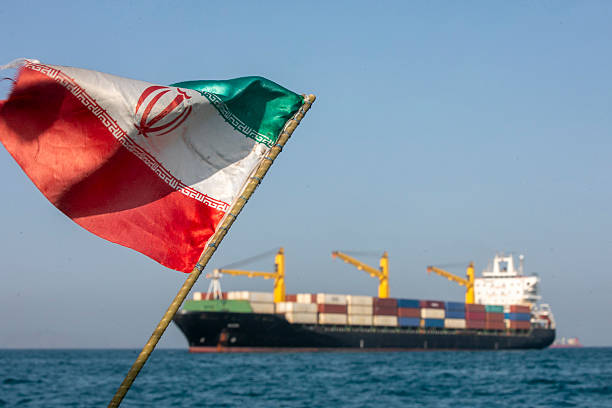
TEHRAN — Iran’s Khatam-al Anbiya Central Headquarters, the nation's central military command, announced on Saturday the immediate closure of the Strait of Hormuz to all vessel traffic. The strategic decision was framed as a direct retaliation against ongoing Israeli military operations in southern Lebanon.
Official Statement from Tehran
In a statement broadcast via Iranian state television, the military command explicitly linked the maritime closure to the current situation in Lebanon, characterizing the Israeli offensive as a violation of agreements previously established between Tehran and the United States.
“It is hereby announced that the Strait of Hormuz will be closed to vessel traffic; it is noted that this first step is a response to the enemy’s breach of promise,” the statement declared. The command further warned that this measure is only the beginning: “If the aggression continues, further steps will be planned and taken to force the enemy to comply with its obligations.”
Geopolitical and Economic Implications
The Strait of Hormuz is one of the world’s most critical maritime chokepoints, serving as a primary transit route for a significant percentage of the world’s global oil supply. A closure of this magnitude is expected to have immediate and severe consequences for international energy markets and global supply chains.
The escalation follows a period of heightened regional tension, with Iran’s move representing a major shift in the conflict dynamics surrounding Israel’s recent operations in Lebanon. International observers are now closely monitoring for potential reactions from global powers and the impact of the closure on international maritime law and regional stability.