GENEVA — After more than 100 days of conflict that upended global energy markets and claimed thousands of lives, the United States and Iran have reached a landmark memorandum of understanding to permanently end military operations. The agreement, facilitated by intensive mediation from Pakistan and Qatar, is scheduled for formal signing in Geneva this Friday, June 19, 2026.
The accord marks a decisive shift in regional dynamics, with both nations committing to an immediate and permanent cessation of hostilities across all fronts, including in Lebanon. As part of the framework, the United States has agreed to the immediate removal of its naval blockade on Iranian ports, while Iran has pledged to open the strategically vital Strait of Hormuz to all international shipping, free of toll.
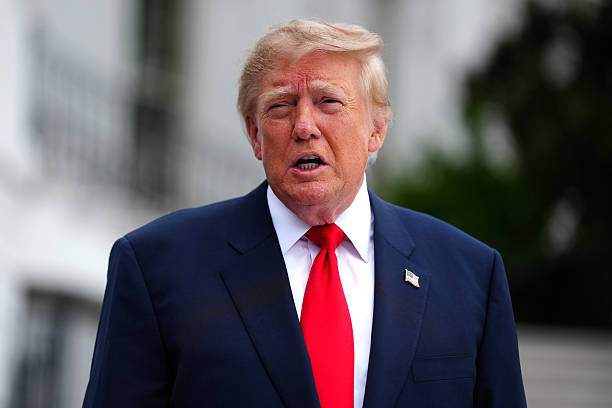
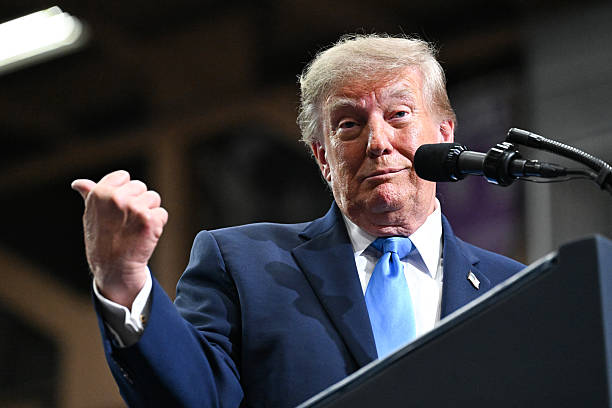
U.S. President Donald Trump hailed the breakthrough on social media, declaring, "The deal with the Islamic Republic of Iran is now complete. Ships of the world, start your engines. Let the oil flow!" Iranian officials, while confirming the suspension of military operations, noted that the agreement includes a 60-day window for further negotiations regarding sanctions relief and nuclear verification.
However, the path to long-term stability remains fraught with challenges. The Israeli government has publicly rejected the deal, with Defense Minister Israel Katz stating that Israeli forces would maintain their current positions in Lebanon, Syria, and Gaza indefinitely. Despite this regional friction, global leaders from the United Nations, the European Union, and the United Kingdom have lauded the move as a critical step toward restoring regional and global economic security.