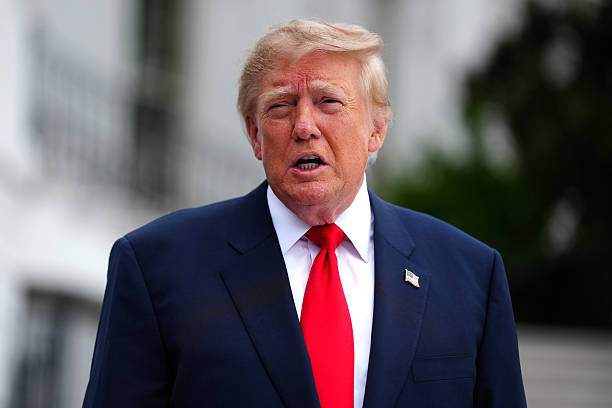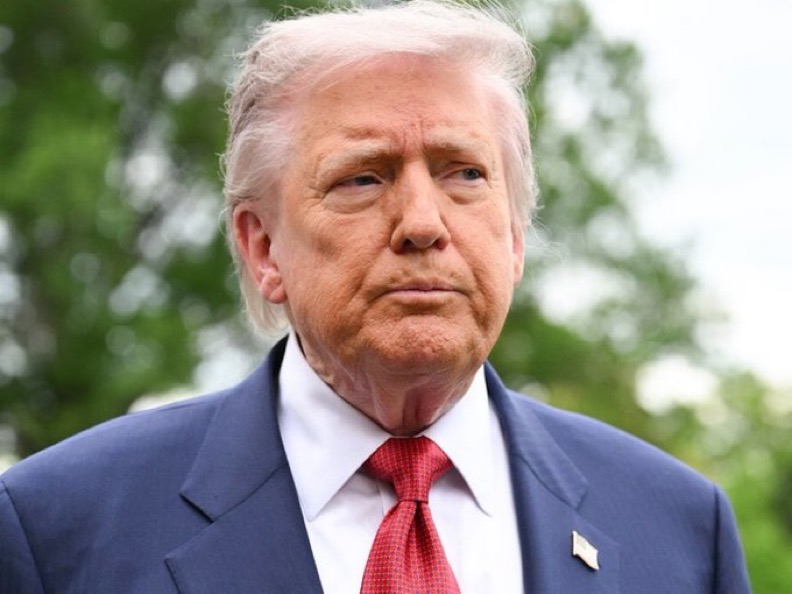
WASHINGTON — President Donald Trump has declared that the United States must "of necessity" respond following the loss of a U.S. Army AH-64 Apache attack helicopter near the Strait of Hormuz. In a post on Truth Social on Tuesday morning, the President explicitly accused Iranian forces of shooting down the aircraft.
The Incident and Rescue
The helicopter went down during a patrol mission on the evening of Monday, June 8, 2026. While initial reports from the New York Times and U.S. Central Command (CENTCOM) described the circumstances as "unclear" and under investigation, President Trump’s statement has escalated the situation significantly.
"I have just been informed by our great military that last night the Iranians shot down one of our highly sophisticated Apache Helicopters while patrolling over the Strait of Hormuz," Trump wrote. He confirmed that the two pilots on board were rescued within approximately two hours and remain uninjured and in stable condition.
Regional Tensions at a Breaking Point
The incident occurs at a critical moment in the ongoing conflict between the U.S.-Israel coalition and Iran, which began in late February 2026. The region is currently reeling from an intense exchange of fire between Israel and Iran that occurred just one day prior, marking the most significant challenge yet to the fragile, straining ceasefire.
While the U.S. military is currently conducting a formal investigation into the cause of the crash, the President's assertion that the aircraft was hit by hostile fire has fueled concerns about a potential expansion of military operations. President Trump, speaking to reporters at JFK Airport late Monday night, had initially focused on the safety of the crew, stating, "We are going to issue a report tomorrow. But the pilots are fine."
Diplomatic Fallout
The downing of the Apache adds a volatile new variable to ongoing, high-stakes negotiations aimed at reaching a permanent peace deal. Despite the renewed fighting, President Trump has repeatedly claimed that Washington is close to securing a "very, very good, strong, powerful deal" with Tehran.
However, the declaration that the U.S. must respond to the alleged attack on its military assets may complicate these diplomatic efforts, as officials on both sides weigh the necessity of retaliation against the risks of a broader regional conflagration.