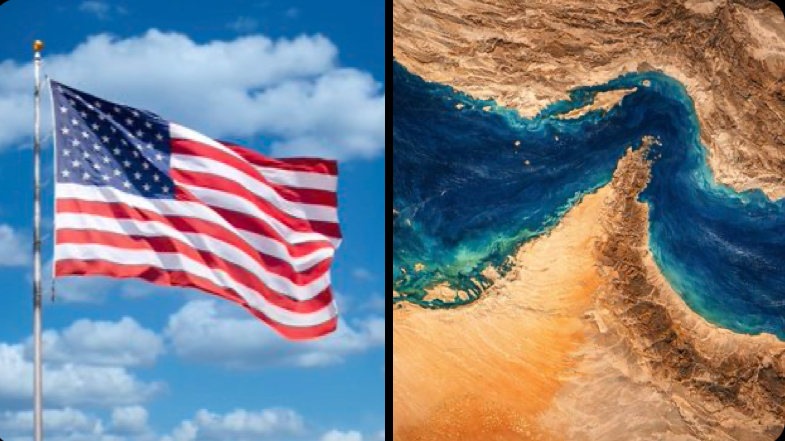
WASHINGTON — The United States military has officially confirmed the lifting of its naval blockade on Iranian ports, a major de-escalation move following the signing of a memorandum of understanding (MoU) aimed at ending the four-month-long conflict.
Operational De-escalation
U.S. Central Command (CENTCOM) confirmed on Thursday, June 18, 2026, that it has ceased all impediments to maritime traffic entering and exiting Iranian coastal areas and ports.
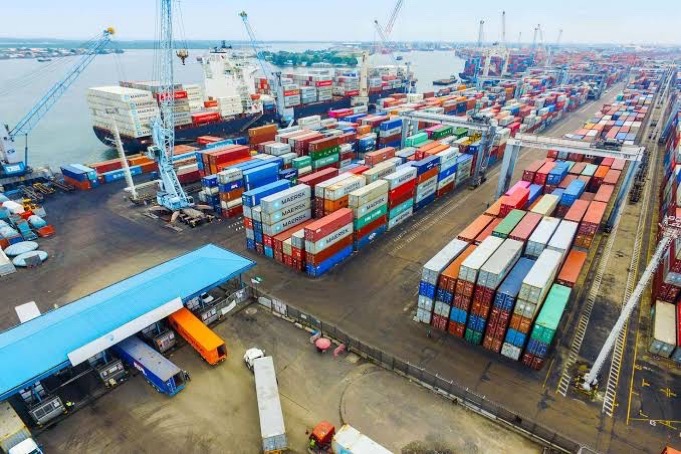
Vice President JD Vance, speaking at a White House press briefing, announced that the U.S. Navy has already allowed "north of a dozen ships" to transit the waterway. According to military reports, approximately 12.5 million barrels of oil moved through the Strait of Hormuz on Wednesday night—the highest volume of traffic recorded since the conflict began on February 28, 2026.
While the blockade is lifted, the U.S. military maintains a significant presence in the region. "Naval ships remain in the area to ensure compliance with all provisions of the agreement and its full legal force," a CENTCOM statement clarified.
The 60-Day Negotiating Window
The lifting of the blockade marks the beginning of a critical 60-day period designated for technical negotiations between Washington and Tehran to finalize a comprehensive peace treaty.
-
Commitment to Compliance: Vice President Vance noted that Iranian forces have adhered to the agreement for the second consecutive night, refraining from hostile actions against vessels in the Strait.
-
Technical Talks: The administration plans to dispatch a team to Switzerland, potentially as early as this weekend, to lead the next phase of technical discussions, including matters related to Iran's nuclear program.
-
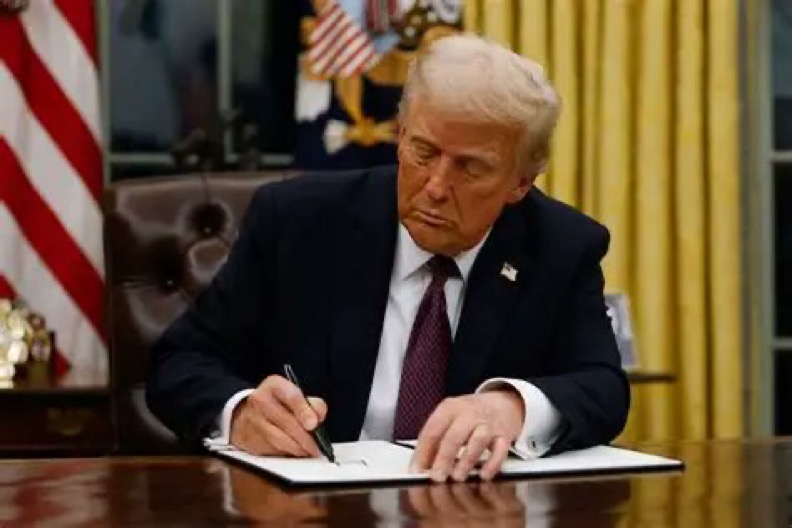
The "Islamabad Memorandum": The peace deal, mediated by Pakistan and signed remotely by President Donald Trump and Iranian President Masoud Pezeshkian, establishes a framework that mandates an immediate and permanent termination of military operations across all fronts, including in Lebanon.
Economic and Strategic Outlook
The agreement has been framed by the Trump administration as a necessary measure to stabilize global energy markets and avert a wider economic catastrophe. While critics have raised concerns regarding the nature of the reconstruction fund and the future of Iran's missile program, the White House maintains that economic and sanctions relief is strictly tied to Iran's performance in the upcoming nuclear negotiations.
As the 60-day clock begins, the focus shifts to whether both parties can convert the current ceasefire and initial maritime cooperation into a long-term, verifiable final agreement.