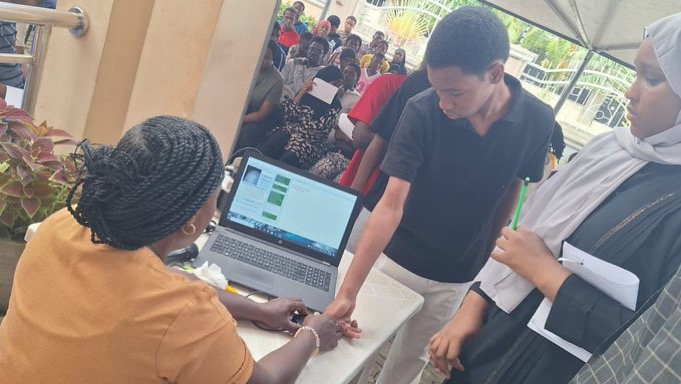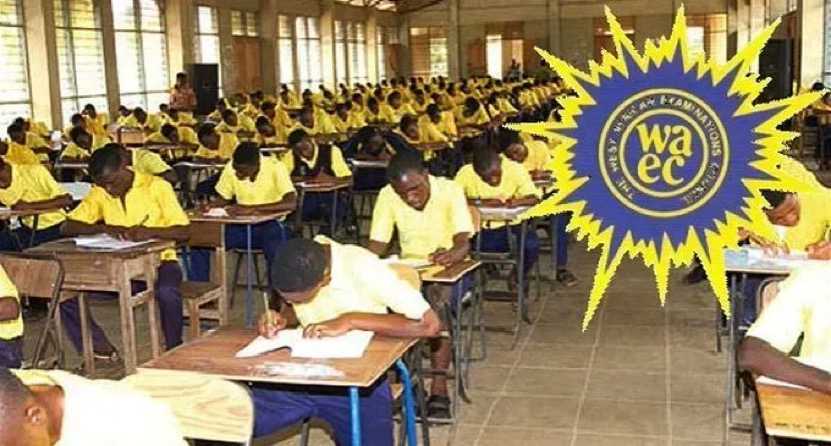
ABUJA, Nigeria — The Federal Ministry of Education has officially suspended the proposed increase in registration fees for the West African Senior School Certificate Examination (WASSCE) and the National Examinations Council (NECO) Senior School Certificate Examination (SSCE). The decision, which would have seen examination costs leap from the current N27,500 to a staggering N50,000 for the 2027 academic cycle, has been put on hold to facilitate further dialogue with the public.
The reversal follows intense national debate and widespread criticism from parents, civil society organizations, and education advocates who viewed the proposed hike as a significant barrier to academic progression in an already fragile economic climate.
The Anatomy of the Proposed Hike
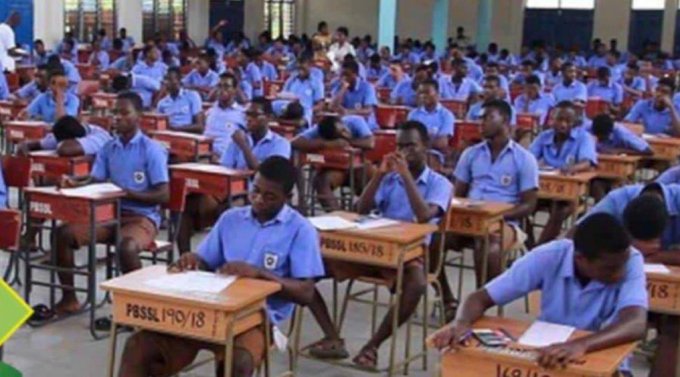
The initial directive, conveyed in a circular dated June 18, sought to implement a uniform registration fee of N50,000 for both WAEC and NECO examinations. For many Nigerian families, particularly those in low-income brackets, the difference between N27,500 and N50,000 is not merely an arithmetic increase—it is a prohibitive hurdle that could have forced thousands of students to drop out of the formal education system at the critical secondary school exit point.
The Ministry of Education, in justifying the initial proposal, had cited the "rising cost of conducting public examinations." According to Folasade Boriowo, the Director of Press and Public Relations at the Ministry, the operational costs associated with these exams—which include large-scale logistics, security deployment to prevent leakage, the printing of high-security materials, and the increasing reliance on technology—have surged exponentially over the past few years. The ministry argued that because examination fees had remained relatively stagnant despite soaring inflation, the quality of assessment and the integrity of the examination process were being placed under immense financial strain.
Government Response: A Commitment to "Inclusive Policymaking"
Following the backlash, Dr. Maruf Tunji Alausa, the Minister of Education, intervened by directing that the proposal be placed on indefinite suspension. In an official statement released on Monday, the Ministry clarified that the decision to pause the fee adjustment aligns with the federal government’s "Renewed Hope Agenda," which prioritizes inclusive and transparent governance.
"The Honourable Minister of Education has directed that the proposal be placed on hold in line with the Federal Government’s commitment to inclusive, transparent, and evidence-based policymaking," the statement noted. The Ministry emphasized that any policy of this magnitude, which impacts millions of students and their families, must be "carefully considered, socially responsive, and reflect the collective interest of the nation."
This suspension is not merely a cancellation but a transition into a formal consultation phase. The Ministry has pledged to engage a broad spectrum of stakeholders, including:
-
Examination Bodies: WAEC and NECO officials.
-
State Ministries of Education: Ensuring alignment with sub-national policies.
-
School Proprietors: Representing both public and private institutional interests.
-
Parents’ Associations (PTAs): Giving a voice to the primary stakeholders bearing the financial burden.
-
Organized Labour: Assessing the economic feasibility for the average Nigerian worker.
The Socio-Economic Context of Education in Nigeria
The outcry against the N50,000 fee is deeply rooted in Nigeria's current economic landscape. With high inflation rates impacting food, transportation, and basic utilities, the cost of education has become a point of extreme sensitivity. For many Nigerian parents, the WASSCE and NECO exams are the gateway to higher education and, by extension, future employment.
Education experts have long warned that cost-related barriers contribute to the rising number of out-of-school children in Nigeria—a figure that remains one of the highest in the world. By increasing the cost of these mandatory examinations, the government risked widening the gap between the affluent and the vulnerable, potentially undoing years of progress in national literacy and skill development.
"The welfare of students and equitable access to quality education remain at the heart of the government's education sector priorities," the Ministry reassures. By backing away from the hike, the administration is signaling a willingness to listen to the citizenry, a move that is essential for maintaining trust between the public and government agencies.
What Lies Ahead: The Consultation Phase
The withdrawal of the June 18 circular means that, for the 2027 examination cycle, candidates and parents can rest assured that the registration fees will remain at the current N27,500 threshold—at least for the time being. However, the Ministry has not ruled out future reviews, provided they are achieved through consensus rather than unilateral imposition.
The consultation process will be a litmus test for the Ministry of Education. It will require a delicate balancing act between maintaining the professional integrity and technical efficiency of WAEC and NECO, and ensuring that no child is excluded from participating in an exam due to poverty.
As the Ministry prepares for these discussions, the education sector will be watching closely. Stakeholders are hoping for a solution that might involve government subsidies, tiered pricing structures, or improved efficiency measures that reduce costs without compromising the quality of the examinations.
A Victory for Advocacy
The suspension of the fee increase is being widely celebrated as a victory for civic engagement in Nigeria. It underscores the power of public feedback in shaping national policy. By voicing their concerns through traditional media, social media, and academic unions, Nigerians successfully pressured the government to rethink a policy that had been labeled as insensitive to the prevailing economic realities.
For now, the status quo remains. The "Renewed Hope" promise now faces the challenge of finding a sustainable way to fund the nation's examination bodies without shifting the entire burden onto the shoulders of struggling families. As the Ministry of Education begins its consultations, the public remains expectant, hoping for a final decision that puts the Nigerian student first.
How do you think the Federal Government should balance the need for increased funding for examination bodies with the necessity of keeping education affordable for low-income families?
Share Your Thoughts Via Comments