The United States has temporarily eased sanctions on Russian-origin diesel fuel, allowing certain transactions involving the sale, delivery and importation of the fuel to proceed until April 2027. The decision marks a significant shift in Washington's approach to Russian energy supplies as the Trump administration seeks to ease pressure on fuel markets.
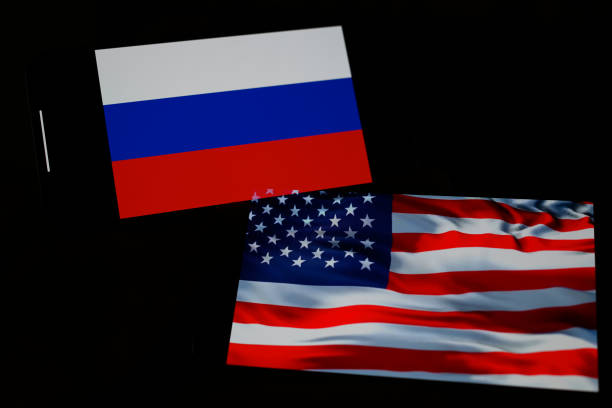
The US Treasury Department's Office of Foreign Assets Control (OFAC) issued General License 135 on October 9, 2026, authorising specified transactions involving Russian-origin diesel through April 7, 2027. The authorisation follows President Donald Trump's announcement of an agreement with Russian President Vladimir Putin to increase diesel supplies to American and international markets.
The move does not amount to a complete lifting of US sanctions against Russia. Instead, it provides a temporary exemption for qualifying diesel transactions under the conditions set out in the Treasury Department's licence.
US Treasury Issues Temporary Authorisation
The Treasury Department's decision allows certain transactions involving Russian-origin diesel that would otherwise face restrictions under US sanctions.
The licence covers specified activities related to the sale, delivery, unloading and importation of the fuel. It is scheduled to remain in effect until April 7, 2027, unless amended or revoked earlier.
The authorisation is significant because Washington has used energy restrictions as part of its broader economic pressure on Moscow following Russia's full-scale invasion of Ukraine in 2022.
By permitting certain diesel transactions, the Trump administration is creating a limited route for Russian refined petroleum products to enter markets that have faced higher fuel costs and supply uncertainty.
However, businesses involved in the transactions must still comply with the licence's conditions and any other applicable restrictions.
Trump Announces Diesel Supply Agreement With Putin
The sanctions relief followed Trump's announcement on October 9 that Russia had agreed to increase diesel supplies to the United States and global markets after a telephone conversation with Putin.
Trump said Russia would immediately supply more than 300,000 tonnes of diesel, followed by another 500,000 tonnes in November and further shipments in subsequent months.
He also referred to a potential additional three million tonnes, with the final volume dependent on the condition of Russian refineries.
The announcement came as American consumers and businesses faced sharply higher diesel prices.
Diesel is essential to freight transportation, agriculture, construction and industrial production. Higher costs can feed into the prices of food, manufactured goods and other products transported by road.
The administration hopes that additional supplies will help ease pressure on the market. However, the precise delivery arrangements and the extent to which the promised volumes will reach US buyers remain important questions.
Why Washington Is Easing Restrictions
The decision comes amid disruptions in international energy markets and rising fuel costs.
The US administration is seeking additional supplies to help relieve pressure on American businesses, particularly truckers, farmers and other industries that rely heavily on diesel.
The move also reflects a broader calculation: increasing access to fuel may help ease domestic economic pressures even if the additional supply comes from a country Washington has sought to isolate economically.
The policy reversal has nevertheless raised questions about the relationship between energy affordability and the US strategy of imposing economic costs on Russia over the war in Ukraine.
The temporary licence creates an exception for qualifying diesel transactions without removing the broader sanctions framework.
Will Russian Diesel Reduce Fuel Prices?
Energy analysts have cautioned that the additional supplies may not significantly reduce US or global diesel prices.
The main uncertainty is whether the agreement increases the total amount of diesel available globally or simply redirects existing supplies towards American buyers.
If Russia sends more fuel to the United States but reduces deliveries to other customers, those buyers may seek alternative suppliers. That could limit the overall impact on global prices.
The Associated Press reported that energy experts expected the additional Russian supplies to have a limited effect on fuel prices, although particular buyers could benefit from improved availability.
The final impact will depend on actual delivery volumes, refinery output, transportation costs and developments elsewhere in the energy market.
Consequently, the temporary sanctions relief should not be interpreted as a guarantee that diesel prices will fall significantly.
Ukraine Criticises the Decision
The US decision has also generated political controversy because it could allow Russia to earn additional revenue from energy exports while the war in Ukraine continues.
Ukrainian President Volodymyr Zelenskyy criticised the move, arguing that easing restrictions on Russian energy sales could benefit Moscow financially.
Some US lawmakers have also objected to the decision, warning that relaxing energy restrictions could undermine efforts to pressure the Kremlin over the conflict.
Supporters of the measure, meanwhile, point to the immediate need to increase fuel availability and relieve pressure on businesses and consumers.
The disagreement illustrates the competing priorities facing Washington: reducing domestic energy costs while maintaining economic pressure on Russia.
What Happens When the Licence Expires?
Under the current authorisation, qualifying transactions involving Russian-origin diesel may proceed through April 7, 2027.
The Treasury Department could amend, extend or revoke the licence, but the current measure does not guarantee that the exemption will continue beyond that date.
Companies importing or trading Russian diesel will need to monitor any further guidance from OFAC and ensure that their transactions remain within the authorised scope.
The longer-term implications will depend on whether the additional supplies arrive as announced, whether fuel prices respond and whether Washington decides to maintain the exemption.
For now, the US decision represents a temporary easing of restrictions on Russian diesel, not a wholesale end to sanctions against Moscow.