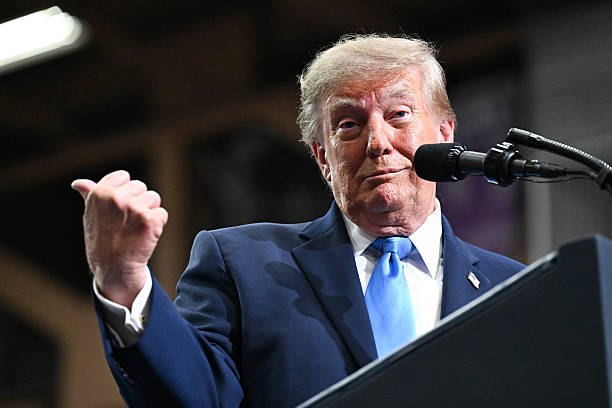
US President Donald Trump says Russia has agreed to supply more than 4.8 million tonnes of diesel fuel to American and global markets following discussions with Russian President Vladimir Putin, as Washington seeks to ease soaring fuel prices.
Trump announced the agreement on October 9, 2026, following a telephone conversation with Putin. The arrangement includes an immediate shipment of more than 300,000 tonnes of diesel, followed by additional deliveries in the coming months.
The announcement marks a significant shift in US policy towards Russian energy exports, with the Trump administration temporarily easing sanctions on Russian diesel to increase available supplies and relieve pressure on consumers and businesses.
Trump Announces Diesel Supply Agreement With Russia
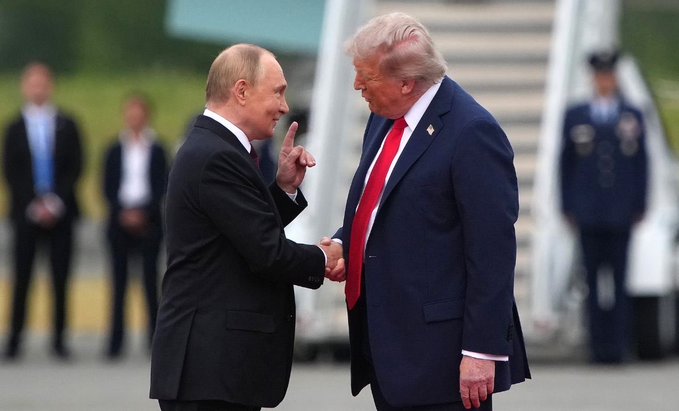
Trump said his discussion with Putin had been successful and that Russia would begin supplying diesel to the United States and international markets.
According to the announcement, Russia would initially supply more than 300,000 metric tonnes of diesel. Another 500,000 tonnes would follow in November, with an additional one million tonnes expected afterwards and approximately three million tonnes planned within a subsequent period.
The proposed deliveries would bring the announced total to more than 4.8 million tonnes.
Trump said increasing fuel availability was a priority, particularly for American farmers, ranchers and truckers, whose operating costs have risen alongside diesel prices.
However, the White House did not immediately provide a detailed delivery schedule, identify the companies responsible for supplying the fuel or explain the precise commercial arrangements behind the agreement.
US Temporarily Relaxes Sanctions on Russian Diesel
The agreement comes with an important policy change.
The United States had imposed sanctions on Russian energy companies following Russia's full-scale invasion of Ukraine in 2022. Those measures were intended, in part, to restrict Moscow's energy revenues and increase the economic pressure associated with the war.
Following Trump's announcement, the US Treasury Department issued a temporary general licence allowing certain Russian diesel transactions, including imports into the United States, to proceed without the usual sanctions restrictions.
The authorisation extends for six months, until April 2027, for qualifying fuel shipments covered by the licence.
The decision represents a departure from Washington's previous efforts to limit Russian energy revenues. It also creates a potential source of income for Moscow while the war in Ukraine continues.
Why the United States Needs More Diesel
The agreement comes as American diesel prices face significant pressure from disruptions in global energy markets.
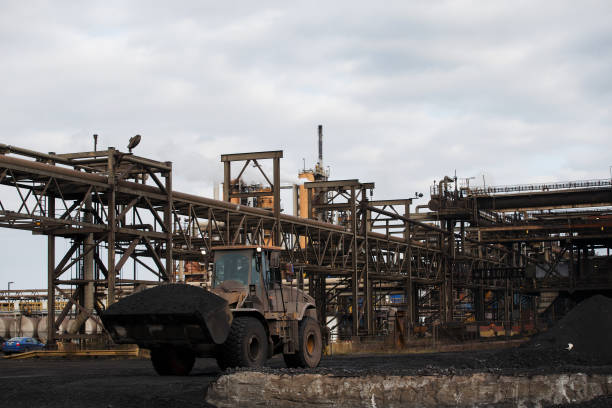
Diesel is essential to freight transportation, agriculture, construction, industrial production and some heating systems. Higher prices can therefore affect the cost of transporting goods and producing food, adding pressure to businesses and households.
According to Reuters, US diesel prices had risen sharply amid disruptions associated with the conflicts involving Iran and Russia. The national average reached approximately $6.28 per gallon in early October, while diesel futures declined following news of the Russian supply agreement.
Trump's administration has been looking for ways to increase available supplies and reduce the economic consequences of expensive fuel.
The Russian arrangement is one part of that effort. The administration has also considered measures to increase domestic refining output and improve the ability of American energy infrastructure to respond to shortages.
Nevertheless, securing additional imports does not automatically guarantee a sustained reduction in prices. The final impact will depend on when the shipments arrive, how much fuel reaches the intended markets and whether other supply disruptions continue.
Analysts Question Whether the Deal Will Lower Prices Significantly
Despite the scale of the announcement, energy analysts have expressed doubts about how much the additional Russian diesel will reduce prices.
Russia has traditionally been a major exporter of refined petroleum products. Analysts argue that redirecting some of its diesel supplies to the United States could change where the fuel is sold without necessarily increasing the amount available globally.
If Russian diesel goes to American buyers instead of customers elsewhere, those displaced buyers may seek supplies from other exporters. That could limit the overall effect on global prices.
Reuters quoted energy-market analysts who described the agreement as additional supply for an already tight market, rather than a comprehensive solution to the shortage. The Associated Press also reported that experts expected the effect on American and international prices to be limited.
The agreement could still provide some relief to particular buyers, depending on the delivery arrangements and the availability of alternative supplies.
However, a lasting reduction in diesel prices would likely require broader improvements in production, refining capacity and transportation, alongside a reduction in the geopolitical disruptions affecting energy markets.
Ukraine Criticises Trump's Agreement With Putin
The announcement has triggered criticism from Ukrainian officials, who argue that easing restrictions on Russian energy exports could strengthen Moscow financially while its war against Ukraine continues.
Ukrainian President Volodymyr Zelenskyy criticised the decision, describing it as a weak move by a partner that has supported Ukraine during the conflict.
Zelenskyy argued that allowing Russia to generate additional revenue from diesel exports could help sustain its war effort. The announcement also came as Ukrainian representatives were holding discussions with American officials about efforts to resolve the conflict.
Criticism has also emerged within the United States. Some lawmakers have argued that Washington should maintain pressure on Moscow rather than relax restrictions on Russian energy sales.
Supporters of the agreement, by contrast, can point to the immediate economic objective of increasing fuel availability and reducing costs for American businesses.
The dispute highlights the tension between energy affordability and the use of economic sanctions as a foreign-policy instrument.
Putin Welcomes Renewed Energy Cooperation
Putin confirmed Russia's readiness to supply oil and petroleum products to American and international markets.
According to a statement from the Kremlin, the two presidents also discussed the war in Ukraine, developments involving Iran and broader bilateral relations.
The Russian government has presented the proposed supplies as an opportunity to support global energy markets at a time of significant disruption.
For Moscow, the agreement offers a route to sell additional refined fuel while the United States temporarily relaxes restrictions that had limited Russian energy transactions.
The commercial value of the arrangement will depend on the final volume delivered, prevailing prices and the companies involved. The precise financial terms have not been publicly established.
What the Agreement Means for Global Energy Markets
The proposed shipments could provide another source of diesel for buyers facing tight supplies, but their effect will depend on market conditions.
The United States is a major participant in international petroleum markets, and changes in its import requirements can influence trade flows. Additional Russian deliveries could help particular American buyers secure supplies, while potentially changing the destinations of diesel shipments from other exporters.
However, the agreement does not by itself resolve the wider disruptions affecting energy production and transportation.
The wars involving Russia and Ukraine and the conflict involving Iran have placed pressure on different parts of the global energy system. Refinery damage, supply restrictions and uncertainty about future deliveries can all contribute to price volatility.
The arrangement also raises questions about how long Washington will maintain its temporary sanctions relief and whether the measure will be extended beyond its current authorisation.
For energy traders, businesses and consumers, the central issue will be whether the promised volumes arrive as scheduled and translate into more affordable fuel.
A Deal With Economic and Political Consequences
Trump's agreement with Putin combines an immediate economic objective with a significant foreign-policy consequence.
The American administration wants to increase diesel availability and ease costs for industries that depend on the fuel. Russia, meanwhile, gains an opportunity to sell petroleum products under temporarily relaxed US sanctions.
Ukraine and critics of the decision warn that the resulting revenue could benefit Moscow while the war continues.
For now, the agreement's commercial impact remains uncertain. Analysts have questioned whether the proposed shipments will be large enough to bring sustained relief to global prices, particularly if supply disruptions persist.
The key test will be whether Russia delivers the promised diesel on schedule and whether the additional supplies meaningfully reduce costs for American businesses and the wider global market.