TD Bank and Bank of Montreal (BMO) are among nine major US banks identified in a federal regulatory report examining whether financial institutions restricted customers' access to banking services because of their political beliefs, religious affiliations or lawful business activities.
The report, released on October 14, 2026, by the US Office of the Comptroller of the Currency (OCC), found that all nine banks maintained policies between 2020 and September 2025 that could have influenced decisions to deny or limit financial services based on subjective considerations rather than clearly defined financial risks.
The findings have renewed debate over so-called debanking — the practice of closing bank accounts, refusing banking relationships or restricting access to financial services. The issue has attracted particular attention from supporters of President Donald Trump and other conservative groups, who have argued that financial institutions unfairly target customers because of their political views.
However, the report also identified examples involving organisations with Democratic political affiliations and highlighted restrictions affecting businesses in several industries. The banks have generally argued that their decisions are driven by regulatory obligations, financial risks and other legitimate business considerations.
Nine Major Banks Named in the Report
The OCC's review covered nine of the largest national banks under its supervision:
• JPMorgan Chase
• Bank of America
• Citibank
• Wells Fargo
• US Bank
• Capital One
• PNC Bank
• TD Bank
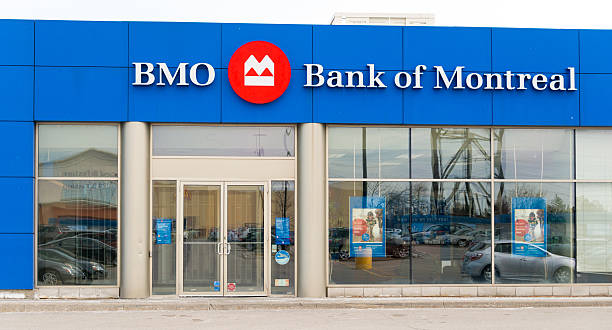
• Bank of Montreal (BMO)
According to the regulator, the review examined nearly 100,000 complaints and approximately 50,000 documents containing around 420,000 pages of material relating to the banks' policies, procedures and individual customer decisions.
The investigation followed an executive order issued by Trump in August 2025 directing federal banking regulators to examine allegations that financial institutions had denied services to customers because of their political or religious beliefs.
OCC Comptroller Jonathan Gould said Americans should have access to financial services regardless of their beliefs, affiliations or political views. The agency said it was considering additional measures to discourage discriminatory banking practices and strengthen expectations around fair access.
What the Report Said About TD Bank
The report highlighted cases involving TD Bank's assessment of organisations associated with pro-life advocacy and faith-based healthcare.
According to the findings described in reporting by The Epoch Times, TD required certain loan requests from a pro-life nonprofit organisation to undergo additional review by its reputational risk committee. The bank also reportedly considered the public profile of the organisation's national director when assessing the relationship.
In another example, a faith-based healthcare-sharing ministry's relationship with the bank was assessed for reputational risk. The report said the bank considered the possibility of negative media attention and whether the ministry's religious and moral requirements aligned with its diversity and inclusion policies.
These examples formed part of the regulator's broader concern that subjective reputational considerations could influence banking decisions beyond measurable financial or operational risks.
The findings do not mean that every decision involving the organisations was necessarily unlawful. They raise questions about the criteria banks use when assessing customers and whether those criteria are sufficiently objective and consistently applied.
TD did not immediately respond to a request for comment from The Canadian Press following publication of the report.
BMO's Policies on Firearms-Related Businesses
BMO was also highlighted in the report over its approach to businesses connected to firearms and tactical products.
The regulator examined a 2022 assessment involving a longstanding customer that manufactured empty firearm magazines and other tactical products. According to the report, BMO's environmental and social risk policy required account managers to assess customers whose activities did not meet the bank's firearms and ammunition guidelines.
The policy called for managers to work with affected customers to bring their operations into compliance before a subsequent credit decision. If a customer declined to meet the requirements, the bank expected managers to work towards ending the banking relationship.
In the case reviewed, a senior risk officer approved continuing the relationship but required ongoing monitoring. The bank also introduced a threshold under which tactical products had to account for less than 30% of the customer's total sales.
The example illustrates the distinction at the centre of the dispute: banks may impose restrictions on certain industries as part of their risk policies, while regulators are examining whether those policies improperly limit access to financial services for lawful businesses.
BMO referred The Canadian Press to a statement from the Bank Policy Institute, a US banking industry advocacy group, which supported fair access while calling for clear and consistent standards that allow banks to manage legitimate risks.
MAGA Merchandise and Other Political Affiliations
The OCC report also described an earlier case involving WePay, a payment processor owned by JPMorgan Chase.
In February 2021, the processor closed the account of a merchant selling merchandise promoting Trump and his Make America Great Again, or MAGA, brand. The report also cited other cases involving merchants selling conservative or Republican-themed clothing and a religious conservative nonprofit.
The findings have given fresh attention to allegations that customers can lose access to payment processing and banking services because of their political associations.
However, the report did not focus exclusively on conservative customers. It also cited a case in which a bank declined financial services to a public education organisation because its political arm endorsed only Democratic candidates. This suggests the regulator's concern extends to the use of political affiliation as a factor in financial decisions, regardless of which side of the political spectrum is involved.
Banks Defend Their Approach to Risk Management
Banks have generally rejected the suggestion that they systematically discriminate against customers because of political or religious beliefs.
Financial institutions operate under requirements relating to anti-money-laundering controls, sanctions, fraud prevention and other regulatory obligations. They also assess creditworthiness, the nature of customers' businesses and the potential legal and financial consequences of maintaining particular relationships.
The OCC's concern is that broad reputational-risk policies may lack clear standards, leaving room for subjective judgements that can restrict access to services for reasons unrelated to a customer's financial risk.
The Bank Policy Institute has said it supports efforts to establish consistent rules that protect access to banking while preserving sound risk management. It has also backed the administration's emphasis on material financial risks rather than reputational considerations alone.
The debate therefore centres on how banks should balance their compliance responsibilities and business policies with the principle that lawful customers should not be excluded because of protected beliefs or political affiliations.
No Immediate Penalties Announced
Although the OCC criticised the practices identified in its review, it did not announce immediate financial penalties against the nine banks in its October 14 report.
Instead, the regulator said it was considering changes to the supervisory and regulatory framework to reduce the likelihood of similar practices recurring. It also indicated that its broader work on fair access to financial services would continue, including examining how anti-money-laundering requirements may have contributed to some debanking decisions.
The report does not establish that every bank named unlawfully discriminated against every category of customer cited. Rather, it identifies policies and examples that the regulator considers problematic and may use to guide further oversight.
For TD Bank, BMO and the other institutions, the findings could lead to closer scrutiny of customer-screening procedures, reputational-risk assessments and industry-specific restrictions.
The outcome of any future regulatory action will depend on the rules adopted, the evidence in individual cases and how banks revise their policies.