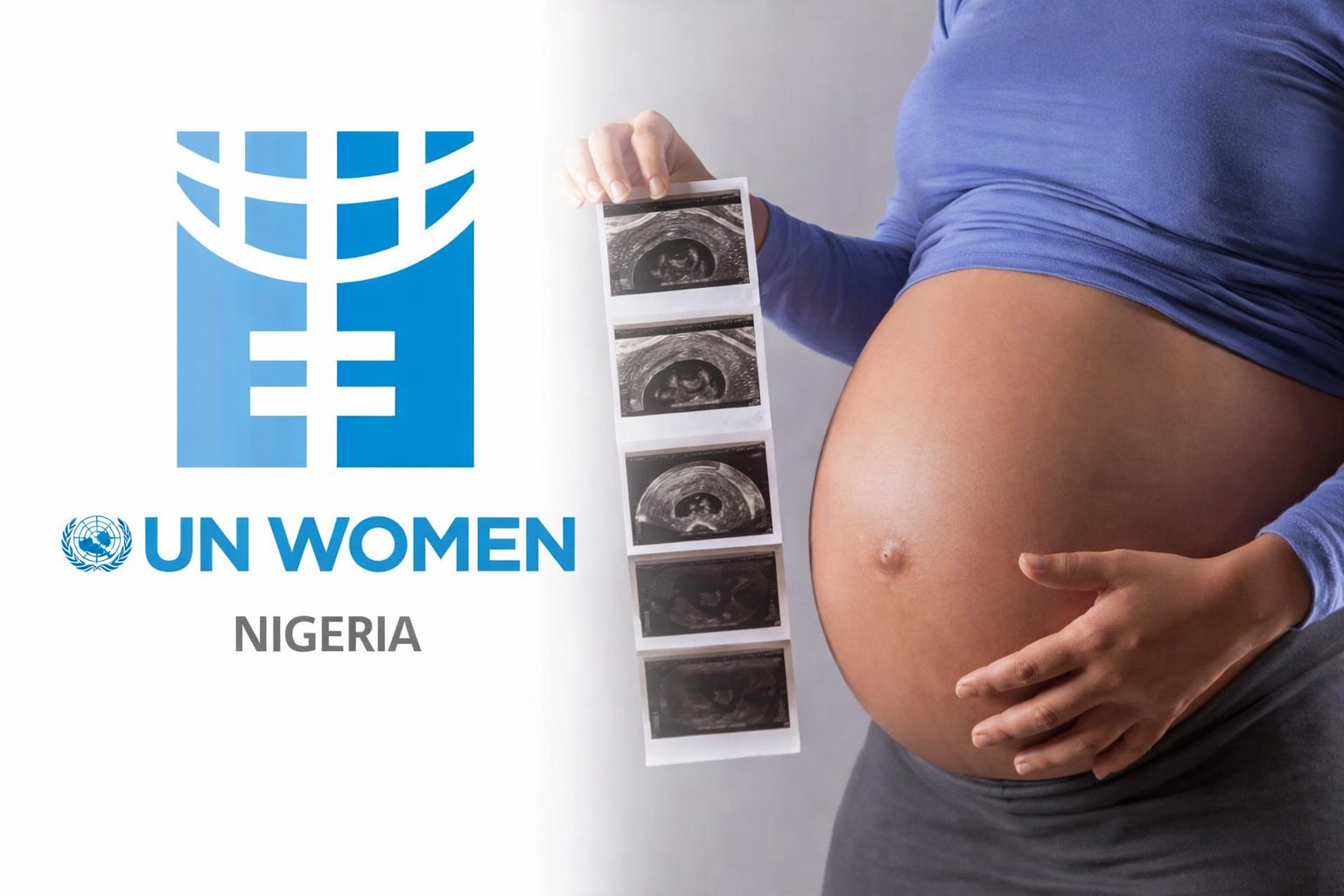
MAKURDI — A startling new report from UN Women has highlighted a significant gap in Nigeria’s maternal healthcare system, revealing that a mere 3.4 per cent of men accompany their spouses to antenatal and postnatal clinic visits. This data was disclosed during a high-level social norms training session in Makurdi, Benue State, aimed at traditional, religious, and community leaders to promote male engagement in maternal health.
Worrisome Statistics on Male Involvement
Ms. Beatrice Eyong, the UN Women Country Representative to Nigeria and ECOWAS, represented by Mrs. Patience Ekeoba, presented research findings that paint a grim picture of fatherhood participation in healthcare. Beyond the low attendance rate at clinics, the study found:
-
Overall Involvement: Total male partner participation in the maternal healthcare journey stands at just 13.8 per cent.
-
Frequency of Attendance: Only 3.3 per cent of men attend more than two antenatal visits with their wives.
-
Involvement Index: The average Male Involvement Index was placed at a low 19.8 per cent.
Eyong described these figures as critically low, noting that the physical absence of men during pregnancy and after childbirth directly impacts the wellbeing of both mothers and children.
Barriers to Engagement: Culture and Stigma
The report identifies several systemic barriers that prevent men from taking an active role in maternal care. Harmful cultural beliefs, rigid gender norms, and the fear of social stigma remain the primary hurdles. Misinformation and a general lack of family support have led many pregnant women to start antenatal care too late, deliver outside of formal health facilities, or skip essential postnatal checks entirely.
These gaps contribute significantly to Nigeria’s high rates of maternal and infant mortality, as well as preventable illnesses. Most critically, the lack of male support hinders the Prevention of Mother-to-Child Transmission (PMTCT) of HIV, as men are often the primary decision-makers regarding family finances and healthcare access.
The Power of Community Influence
UN Women is placing a heavy emphasis on the role of traditional and religious leaders to reverse this trend. The training, organized in partnership with the Nigeria Network of Religious Leaders Living with or Personally Affected by HIV/AIDS (NINERELA+), seeks to turn these influencers into "agents of change."
"The messages delivered in palaces, churches, mosques, and town halls are often more powerful than formal government campaigns," Eyong noted. She urged leaders from the Christian Association of Nigeria (CAN), Jama’atu Nasril Islam (JNI), and traditional councils to use their platforms to encourage families to prioritize the health of pregnant women.
Government and Stakeholder Commitment
The Benue State Commissioner for Women Affairs and Social Welfare, Mrs. Theresa Ikwue, pledged to work alongside Civil Society Organizations (CSOs) to turn these training insights into actionable grassroots programs. Similarly, representatives from the National Action Committee on AIDS (NACA) and the Ministry of Health emphasized that sustainable progress in maternal health is impossible without the active participation of men and boys.
The training participants, including the Ter Makurdi, Chief Vincent Aule, committed to stepping down the knowledge to rural communities where healthcare awareness is lowest, ensuring that "male engagement" becomes a standard practice rather than a rarity in the Nigerian health landscape.