MEDICAL CORRESPONDENT — For decades, the field of reproductive medicine has been anchored in a maternal-centric perspective. When couples faced the heartbreak of recurrent pregnancy loss (RPL) or pregnancy-related complications, the diagnostic lens was almost exclusively trained on the mother. While this approach provided critical insights into uterine health, hormonal balance, and egg quality, it often left a significant portion of reproductive failures unexplained. Today, a paradigm shift is underway. Emerging scientific evidence is illuminating a long-overlooked factor: the paternal contribution. It is becoming increasingly clear that sperm health—far beyond mere fertilization—is a foundational determinant of pregnancy trajectory and placental integrity.
Beyond Fertilization: The Genetic Blueprint
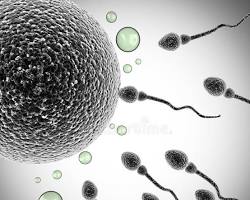
For many years, the clinical gold standard for assessing male fertility has been the basic semen analysis, which focuses on three primary metrics: count (how many sperm), motility (how well they swim), and morphology (their physical shape). While these parameters remain important, they offer only a superficial view of a much deeper biological process. Modern research has shifted its focus to the molecular integrity of the genetic material contained within the sperm head.
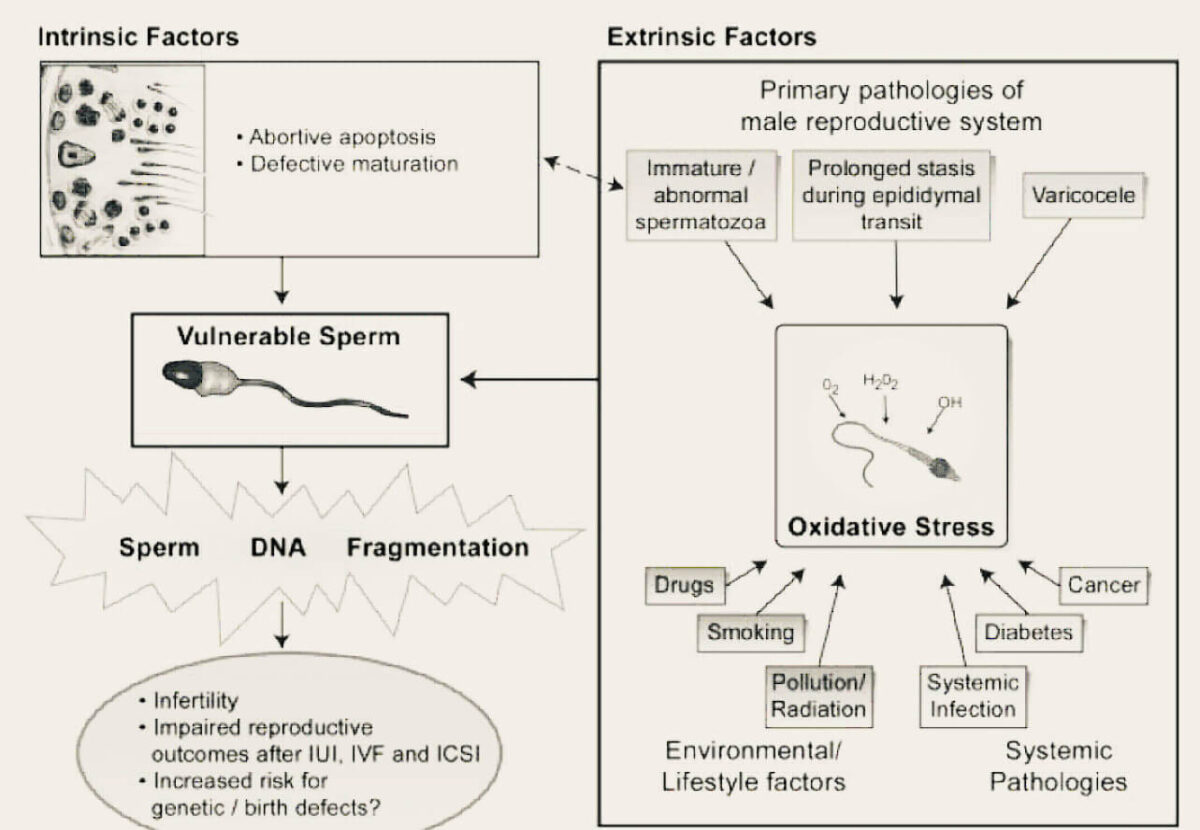
Central to this new understanding is Sperm DNA Fragmentation (SDF). Unlike simple count or motility, DNA fragmentation measures the actual physical integrity of the sperm's chromatin structure. When sperm DNA is fragmented—often due to breaks in the DNA strands—the ability of the sperm to contribute to a healthy embryo is significantly compromised.
"We are seeing a paradigm shift in how we approach recurrent pregnancy loss," explains Dr. Julian Thorne, a prominent reproductive endocrinologist. "We now understand that the father’s contribution is not merely the delivery of genetic material for fertilization; it is a foundational element that guides the development of the embryo and, crucially, the formation of the placenta."
Research indicates that high levels of DNA fragmentation can hinder early embryonic cleavage and implantation. Even when fertilization occurs, the embryo may harbor latent genetic defects that manifest as developmental arrests, leading to early miscarriage. This challenges the long-standing assumption that if an embryo reaches the blastocyst stage, it is "healthy." We now know that paternal DNA plays an active, ongoing role in these early developmental checkpoints.
Placental Development: The Father’s Silent Influence
Perhaps the most groundbreaking discovery in paternal reproductive science is the link between sperm quality and placental health. The placenta, often called the "life-support system" of the fetus, is a complex organ whose development is heavily influenced by genes inherited from both parents.
Studies have identified that compromised paternal DNA can lead to abnormal placental formation. The placenta relies on precise gene expression to invade the uterine wall and establish a robust vascular network. When the sperm contributes fragmented or sub-optimal genetic instructions, this delicate process is often derailed. The clinical consequences are severe: impaired placentation is a primary driver for major pregnancy complications, including preeclampsia(dangerously high blood pressure in the mother) and intrauterine growth restriction (IUGR), where the fetus fails to grow at a normal rate.
Furthermore, new research into "paternal immune imprinting" is revealing that paternal antigens found in semen do not merely exist to facilitate fertilization. These antigens interact with the maternal immune system from the moment of conception, potentially shaping the mother’s immunological tolerance toward the pregnancy. When these signals are absent or disrupted due to sub-optimal sperm quality, the mother's immune system may not properly modulate its response, increasing the risk of hypertension and other pregnancy-related disorders.
Lifestyle as a Modifiable Modifier
A crucial takeaway from this research is that paternal reproductive health is not a fixed, immutable state. Because the human body undergoes a complete cycle of spermatogenesis—the process of creating new sperm—approximately every 74 days, men have a significant "window of opportunity" to improve their reproductive potential.
The primary enemy of sperm DNA integrity is oxidative stress. This occurs when the body's antioxidant defenses are overwhelmed by an excess of free radicals, which damage delicate DNA strands. The leading drivers of this oxidative damage are entirely modifiable:
-
Smoking and Alcohol: Both are potent sources of oxidative stress that have been shown to correlate directly with higher rates of SDF.
-
Sedentary Behavior and Obesity: Excessive adipose tissue can lead to hormonal imbalances, such as elevated estrogen and decreased testosterone, which impair sperm production and quality.
-
Environmental Exposure: Chronic exposure to endocrine-disrupting chemicals found in certain plastics, pesticides, and industrial pollutants can interfere with the maturation of sperm.
-
Dietary Habits: Diets high in processed foods and saturated fats, coupled with low intake of antioxidants (found in colorful fruits and vegetables), have been linked to poorer semen parameters.
Clinical guidelines for couples experiencing fertility challenges or RPL are now increasingly recommending that both partners undergo comprehensive screening. This includes specialized tests like SDF assays, which can reveal hidden male-factor contributions that a standard semen analysis would miss.
Fostering a Shared Journey
The evolving understanding of paternal influence is fostering a more holistic approach to fertility care. It removes the "blame" often unfairly placed on the maternal partner and replaces it with a model of shared responsibility. When clinics adopt dual-partner screening protocols, the focus moves away from "whose fault is it?" to "how can we optimize the health of the pregnancy together?"
"Optimizing paternal health is not just about increasing the odds of conception," Dr. Thorne notes. "It is an investment in the foundational health of the pregnancy and the long-term well-being of the offspring. It is time we view male reproductive health not as a peripheral issue, but as a cornerstone of successful pregnancy outcomes."
This shift requires a change in public perception. Men are often sidelined during prenatal planning, yet their health and lifestyle choices in the months leading up to conception are foundational to the baby’s future. By integrating paternal health into the standard prenatal conversation, we can empower couples to make informed, proactive choices that improve their chances of a successful pregnancy and a healthy start for their child. As reproductive medicine continues to advance, the "paternal paradigm" will undoubtedly play an increasingly central role in the diagnostic and therapeutic strategies of the future.
Disclaimer: This report is for informational purposes only and does not constitute medical advice. Individuals concerned about fertility or pregnancy outcomes should consult with a qualified reproductive endocrinologist or medical professional for personalized evaluation.