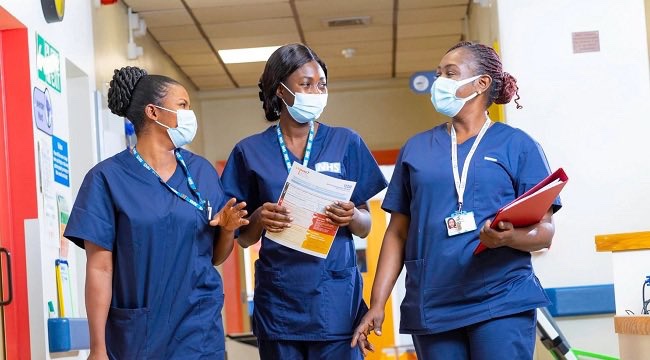
ABUJA — The National Association of Nigeria Nurses and Midwives (NANNM) has sounded a critical alarm over the rapidly accelerating brain drain within the nation's health sector. In a shocking disclosure, the association revealed that no fewer than 16,000 Nigerian-trained nurses migrated to the United Kingdom in the year 2025 alone, leaving domestic public hospitals severely understaffed and vulnerable.
An Exodus Commemorated on International Nurses Day
The President of NANNM, Haruna Mamman, made the startling revelation during a comprehensive press conference in Abuja on Tuesday. The briefing was held to commemorate the 2026 International Day of Nurses, an annual global event celebrated on May 12 to coincide with the birthday of Florence Nightingale, the foundational pioneer of modern nursing.
This year, the International Council of Nurses (ICN) established the global theme as: ‘Our nurses, our future, empowered nurses save lives’. Mamman emphasized that this theme underscores an urgent global imperative to invest heavily in the nursing workforce, grant them leadership opportunities, and establish safe working conditions to maximize their life-saving impact in primary healthcare delivery.
Ironically, while Nigerian nurses are celebrated internationally as being among the absolute best in the global medical space, the domestic system is actively hemorrhaging them to Western nations.
The Harsh Realities Driving the "Japa" Wave
The NANNM President pointed out that the massive departure of 16,000 professionals in a single year should serve as an immediate wake-up call for federal and state governments. He noted that the vast majority of Nigerian nurses genuinely desire to remain at home to build the country's healthcare infrastructure, but are relentlessly forced out by a toxic combination of institutional "push factors."
The core grievances driving the workforce out of Nigeria include:
-
Abysmal Remuneration: Starvation wages that fail to align with the current hyper-inflationary economic realities.
-
Deplorable Working Conditions: Sub-standard hospital environments lacking basic medical consumables and modern diagnostic equipment.
-
Severe Insecurity: Rising waves of targeted kidnappings, banditry, and physical assaults against healthcare workers on duty.
-
Stagnant Career Progression: Bureaucratic bottlenecks that frustrate academic advancement, promotions, and professional development.
“This should call for greater concern from both the government and other stakeholders,” Mamman stated heavily, warning that the continuous loss of mid-level and senior clinical experts will inevitably trigger a total collapse of Nigeria's secondary and tertiary health delivery systems.
A Call for Institutional Salvation
While saluting the resilience of the remaining patriotic nurses who continue to stretch themselves thin across overcrowded wards, the NANNM leadership vowed to intensify its aggressive engagements with the government.
The association is demanding an immediate, holistic overhaul of the welfare package for nurses and midwives. They are calling for the institutionalization of hazard allowances, robust security frameworks around public health facilities, and the creation of immediate job opportunities for younger graduates to prevent the complete extinction of the nursing profession in Nigeria.