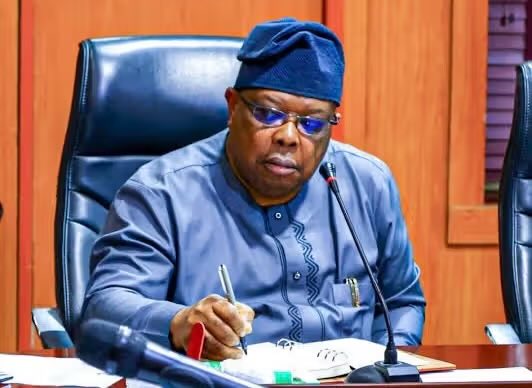
Power Minister Acknowledges Continuing Electricity Challenges
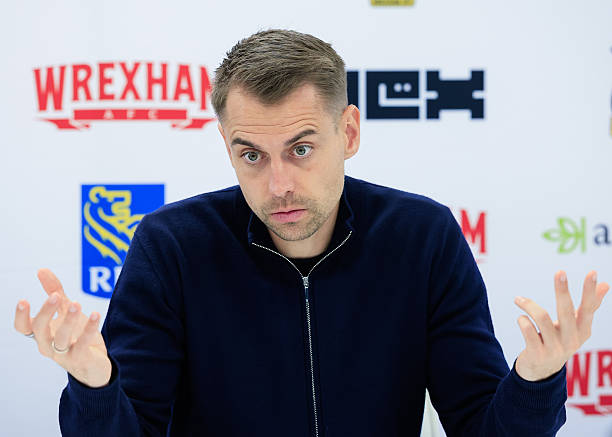
Nigeria's Minister of Power, Joseph Tegbe, has acknowledged that many Nigerians are still without reliable electricity, despite interventions by the Federal Government aimed at addressing longstanding problems across the power sector.
Tegbe made the admission while reflecting on his first three months in office, saying he understood the frustration of Nigerians who had heard about improvements in the electricity sector but had not personally experienced them.
The minister said the government had spent much of the period diagnosing problems affecting electricity generation, transmission and distribution before beginning to address some of the underlying issues.
“Admittedly, many Nigerians are still without reliable power.”
Tegbe added that he would not attempt to dismiss the experiences of consumers who continue to face poor electricity supply.
Government Focused on Repairs and Systemic Problems
According to Tegbe, one of the major interventions during his first three months was the restoration of the 375-megawatt Alaoji power plant, which had reportedly been offline for about three years.
He also pointed to efforts to unlock additional transmission capacity in Lagos, Abuja and other parts of the country.
The minister said the government had also begun mobilising funds to address the power sector's longstanding debt burden, which he identified as one of the issues undermining the performance of the industry.
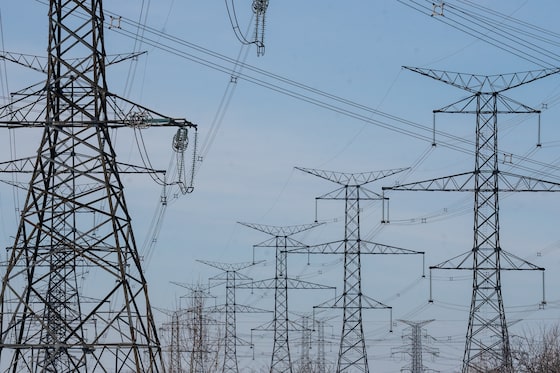
These interventions cover different parts of the electricity value chain. Generation determines how much electricity can be produced, transmission determines how much power can be moved across the national network, while distribution companies are responsible for delivering electricity to consumers.
Weaknesses at any of these stages can affect the experience of households and businesses.
The Federal Ministry of Power had previously said in July that the government was planning further investment in grid stabilisation, describing a stable transmission network as essential to improvements elsewhere in the sector.
More Than 350,000 Meters Deployed
Tegbe also said more than 350,000 electricity meters had been deployed following the resolution of what he described as a legal dispute involving electricity distributors and meter manufacturers.
Metering remains an important issue for electricity consumers because accurate meters can help determine how much electricity individual customers consume and reduce reliance on estimated billing.
The government's metering intervention therefore forms part of its wider effort to address problems beyond electricity generation alone.
Tegbe said the administration was working on both the physical infrastructure of the power system and some of the financial and administrative problems affecting the sector.
Minister Rules Out Electricity Tariff Increase
The Power Minister also said there was no plan to increase electricity tariffs, while stressing that the position was not politically motivated.
He said the government remained focused on improving grid stability, electricity supply reliability and billing accuracy.
The minister also said efforts were being made to ensure that complaints from electricity consumers were resolved more quickly.
The statement comes as electricity tariffs and the quality of electricity supply remain important issues for households and businesses across Nigeria.
For consumers, the relationship between what they pay for electricity and the quality and reliability of the service remains a major concern.
Tegbe Says There Will Be No Quick Fix
Rather than promising an immediate transformation, Tegbe said fixing Nigeria's electricity sector would require time and sustained reforms.
The minister's comments reflect the complexity of the country's power challenges, which extend across generation, transmission, distribution, financing, metering and grid management.
Nigeria has made repeated efforts over the years to improve electricity supply, but reliability has continued to vary significantly across locations and consumers.
Tegbe said he would not promise a solution that could not be sustained.
This approach places emphasis on structural changes rather than temporary improvements that could disappear when individual interventions end.
Government's Earlier Grid Stabilisation Plan
The Federal Ministry of Power said in July that it was moving toward a broader overhaul of the transmission network and planned fresh investment aimed at stabilising the national grid.
The ministry said the objective was to address recurring grid collapses and voltage fluctuations while creating a more resilient electricity system.
The ministry's stated mandate includes developing policies and systems for reliable, functional and cost-effective electricity supply across Nigeria.
Tegbe's latest comments indicate that the government itself recognises that achieving that objective remains a work in progress.
What the Admission Means for Electricity Consumers
For millions of Nigerians, the most important measure of progress in the power sector is not the number of announced reforms but whether electricity becomes more consistent in their homes and businesses.
A repaired generating plant can add capacity, while additional transmission infrastructure can improve the movement of electricity. More meters can improve billing accuracy. But consumers ultimately experience these interventions through the availability and reliability of electricity.
That is why Tegbe's acknowledgement that many Nigerians are still without reliable power is significant: it recognises the gap between reforms being undertaken by the government and the day-to-day experience of many electricity users.
The minister said he understood the frustration of people who had heard about progress without seeing corresponding improvements in their own communities.
Power Sector Reform Remains a Long-Term Challenge
Nigeria's electricity challenges did not begin with the current administration, and the government's recent interventions are taking place within a power system that has accumulated infrastructure, financial and operational problems over many years.
Tegbe took office in 2026 after President Bola Tinubu nominated him to replace former Power Minister Adebayo Adelabu. The Presidency described Tegbe as a fiscal and economic reform expert with experience in the public and private sectors, including work involving power-sector institutions.
Since assuming office, the minister has repeatedly emphasised grid stability, investment and structural reforms.
However, the latest acknowledgement makes clear that those measures have not yet delivered reliable electricity to all Nigerians.
'We're Not There Yet'
Tegbe thanked officials working in the power sector and Nigerians who have continued to raise concerns about electricity supply.
He concluded his message by acknowledging that the government had more work to do while maintaining that reforms were underway.
The immediate challenge for the ministry will therefore be turning interventions such as the restoration of generating capacity, transmission improvements, additional metering and efforts to address sector debt into measurable improvements for electricity consumers.
For Nigerians still experiencing frequent outages, the effectiveness of the reforms will ultimately be judged by whether electricity becomes more available, predictable and accurately billed.
The minister's message was therefore both an acknowledgement of the current shortcomings and a commitment to continued work on the sector.
The Federal Government says it is moving, but Tegbe's admission confirms that reliable electricity remains an unresolved challenge for many Nigerians.