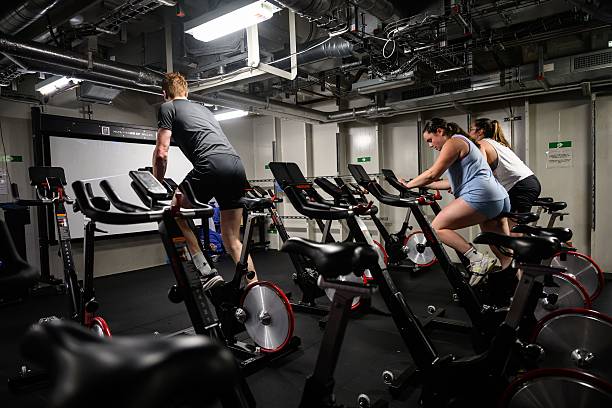
LONDON, England — For decades, the public health narrative has been dominated by the rhythm of the running shoe and the cadence of the cycling pedal. We track our steps, monitor our heart rates, and push for that extra mile in the name of cardiovascular health. While aerobic exercise is undeniably a pillar of longevity, a growing body of scientific evidence suggests that we have been ignoring a vital sibling at the health dinner table: strength training.
As we age, the focus of our physical activity must shift. While aerobic fitness helps us live longer, muscle strength is the essential ingredient that helps us live better while we are here. From maintaining independence in our later years to enhancing metabolic health, resistance training is no longer a niche pursuit for bodybuilders—it is a critical investment in your future self.
Strength as a Retirement Pension
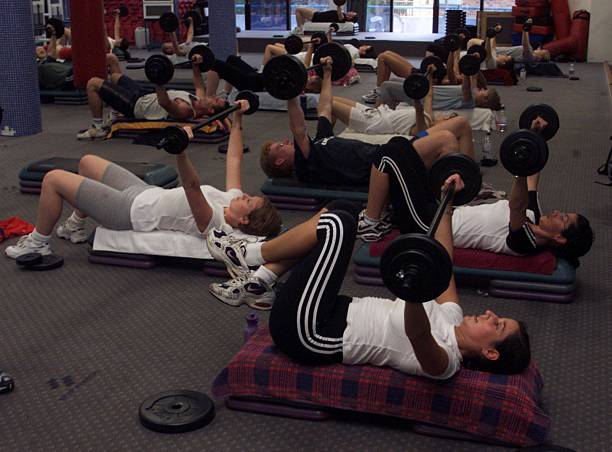
Stuart Phillips, a preeminent researcher in muscle physiology at McMaster University, offers a powerful analogy: "I think of resistance training as a pension contribution for your future self."
Just as a financial pension provides a safety net for your retirement years, muscle mass serves as a biological reserve. As we journey through life, we are inevitably confronted with challenges—illness, injury, surgical procedures, and the natural attrition of aging. If you enter these periods with "more in the tank," your recovery time is faster, your physical resilience is greater, and your likelihood of maintaining functional independence is significantly higher.
"Strength is the neglected sibling at the health dinner table," says Phillips. "We emphasize the heart and lungs, but we forget that it is the muscles that move us through the world."
The "Magic" of Starting Small
One of the most persistent myths surrounding strength training is that it requires a gym membership, racks of expensive weights, or the guidance of a professional trainer. Consequently, many people—particularly those approaching middle and old age—avoid it entirely.
Jess Gorzelitz, an epidemiologist at the University of Iowa and a powerlifter herself, stresses that the most significant health gains occur when transitioning from a sedentary lifestyle to any form of resistance activity. "The riskiest group are those who do nothing," she notes. "That’s the most important message for people new to this."
You don’t need a deadlift platform to reap the rewards. Household objects are excellent tools for the beginner:
-
The "Water Bottle" Workout: Use two-litre water bottles as makeshift dumbbells for bicep curls or weighted squats.
-
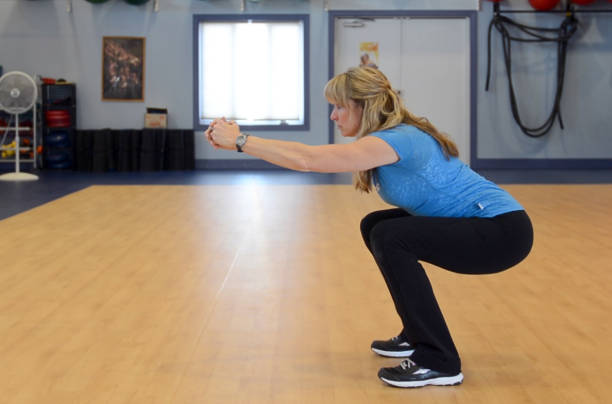
The Chair Squat: Practice sitting down and standing up from a sturdy chair or couch in a controlled, slow manner to build quadricep strength.
-
The "Carry" Method: Simply walking while holding groceries or heavy bags often called "loaded carries"—is one of the most effective ways to improve core stability and grip strength.
The Big Three: Targeting the Entire Body
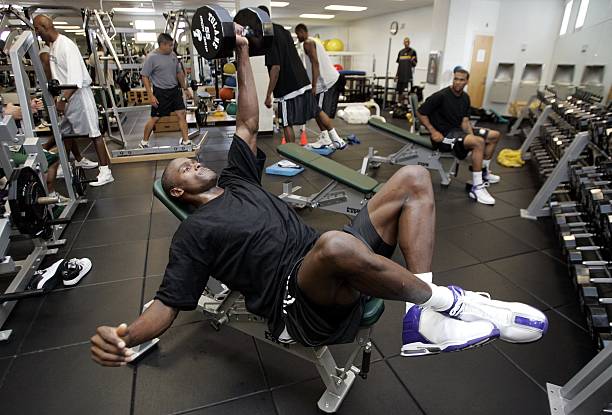
For those ready to move beyond bodyweight, Gorzelitz recommends focusing on foundational movements that target the entire skeletal structure. These movements are superior because they are "compound," meaning they require multiple muscle groups to work in harmony.
-
Barbell Back Squats: Essential for lower body power and bone density in the hips and legs.
-
Bench Presses: Crucial for upper body pushing strength and chest stability.
-
Deadlifts: Widely considered the gold standard for posterior chain strength, working the back, glutes, and hamstrings simultaneously.
Additionally, don't underestimate the Shoulder Press. As Gorzelitz notes, "Your back can never be strong enough." Strengthening the back and shoulders is the primary defense against the stooped posture and chronic back pain that often accompany the aging process.
The Science of Longevity: Why Strength Matters
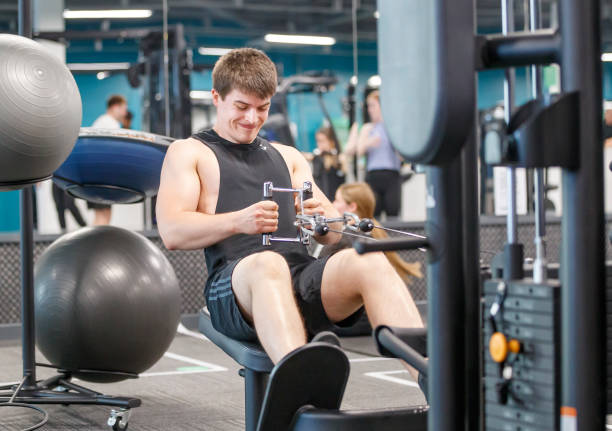
The numbers behind resistance training are compelling. A large review of studies found that just 30 to 60 minutes of muscle-strengthening activity per week is linked to a 10–17% reduction in all-cause mortality. When you increase that commitment to 90 minutes or two hours, the risk of premature death drops by 13%.
Perhaps most impressively, those who combine both resistance training and cardiovascular exercise see a staggering 58% lower risk of early death compared to those who do neither.
"Aerobic fitness helps you live longer, but muscle strength helps you live better," says Phillips. "Ideally, we want both." The synergy between these two forms of exercise creates a comprehensive health profile that protects against:
-
Cardiovascular disease: By improving blood flow and reducing arterial stiffness.
-
Diabetes: By increasing the body’s ability to clear glucose from the bloodstream (muscle is the body’s primary glucose sponge).
-
Cancer: Recent studies suggest that higher muscle mass is associated with improved survival outcomes across various cancer diagnoses.
Training at Any Age: It’s Never Too Late
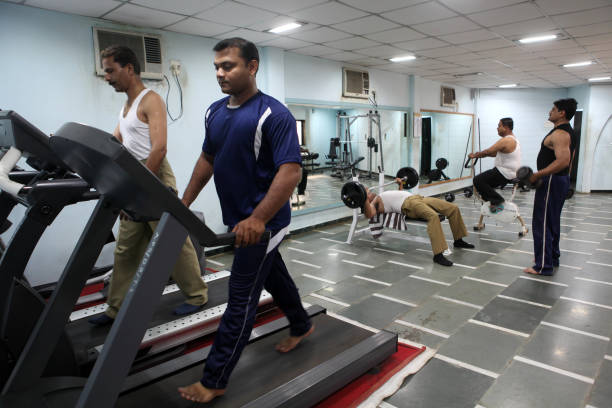
One of the most encouraging findings in recent research is that the benefits of strength training do not have an expiration date. Studies on adults aged over 70 show that those who incorporate regular weight training have a significantly lower risk of mortality compared to their sedentary peers.
"In particular as we age, we see improvements in functionality and physical function," Gorzelitz explains. The ability to climb stairs, lift children, carry groceries, or simply get up from the floor—these are the "Activities of Daily Living" that strength training preserves.
Practical Tips for Long-Term Consistency
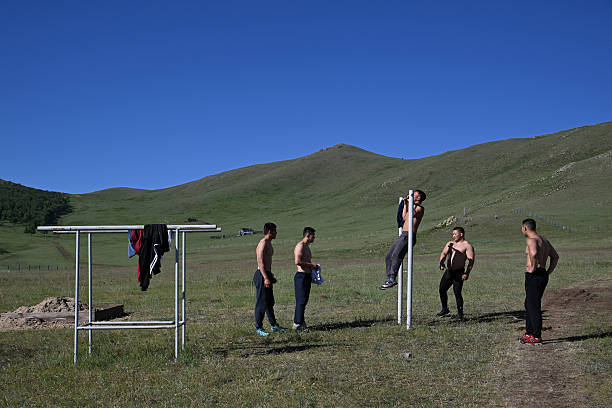
If you are looking to start, follow these three rules:
1. Focus on Consistency, Not Intensity: You do not need to "crawl out of the gym like a wounded animal." It is better to do 15 minutes of squats and planks consistently every week than to do a massive, grueling workout once a month and quit.
2. Progress Gradually: The body adapts to stress. If an exercise feels easy, add one more repetition, one more set, or a tiny amount of weight. Small increments repeated over months are where the "magic" of physiological adaptation lives.
3. Find the Calm: Beyond the physical, there is a profound mental benefit. Lifting weights can be a meditative practice, providing a healthy outlet for stress and anxiety.
Your Future Self Will Thank You
The takeaway is simple: whether you are a teenager or in your eighties, you have the capacity to become stronger. By integrating short, 20 to 30 minute sessions twice a week into your routine before your morning coffee or between meetings—you are laying the groundwork for a future defined by vitality rather than frailty.
The choice to lift is not about vanity or getting "bulky." It is about health, agency, and quality of life. Start where you are, use what you have, and remember: you are building a pension for the years to come.
Given that strength training is often seen as intimidating, what is the single biggest "low-barrier" movement you would suggest a beginner start with today to see immediate results?
Share your thoughts in the comments