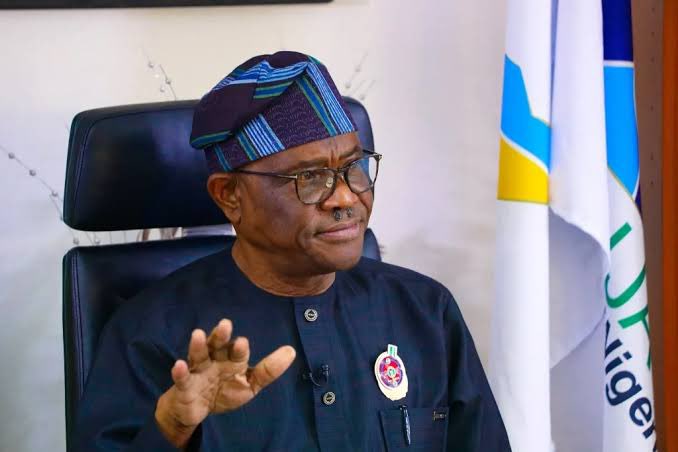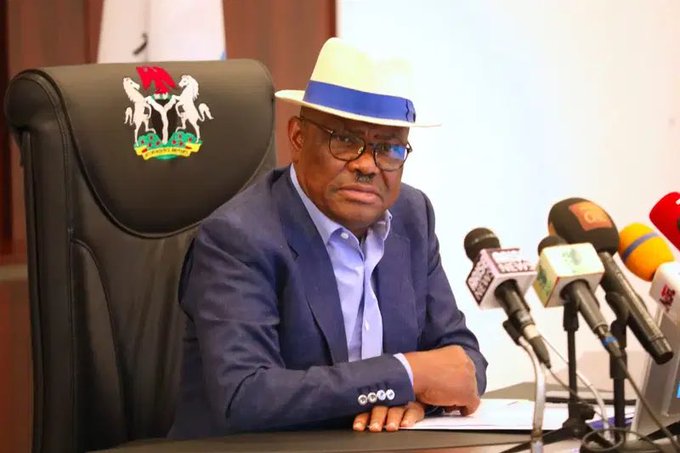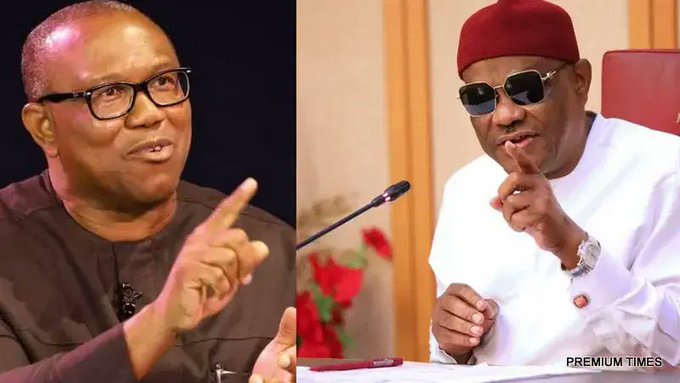
The Obidient Movement has warned Federal Capital Territory Minister Nyesom Wike and other political actors against any attempt to interfere with or manipulate the outcome of Nigeria’s 2027 general elections.
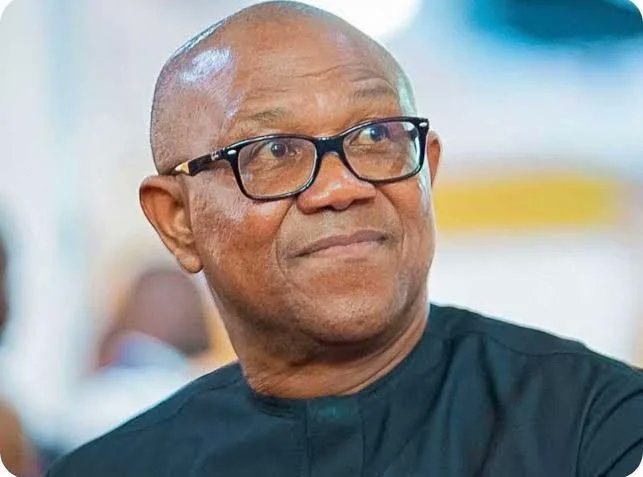
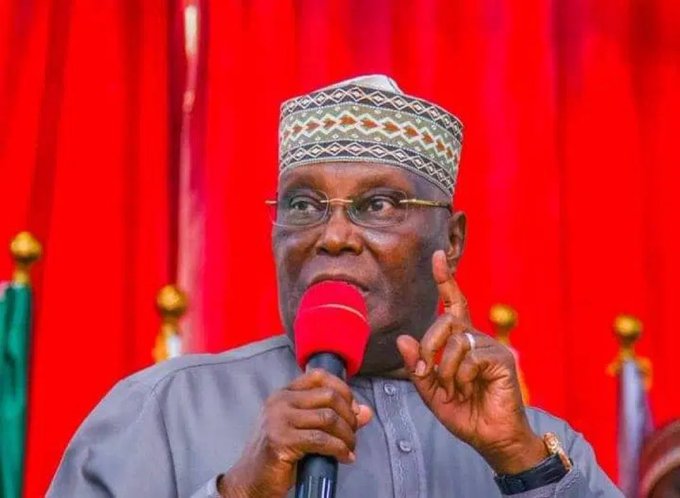
The warning followed recent comments by Wike about the role played by the former Peoples Democratic Party (PDP) G5 governors during the 2023 presidential election, particularly in relation to Labour Party candidate Peter Obi and the PDP’s then-presidential candidate, Atiku Abubakar.
In a statement issued on September 22, 2026, and signed by the Media and Communications Directorate of the Obidient Movement, the group accused Wike and other political actors of attempting to influence electoral outcomes and called for the 2027 election to reflect the votes cast by Nigerians.
The movement also called on the Independent National Electoral Commission (INEC) and security agencies to carry out their constitutional responsibilities without political interference.
Obidient Movement reacts to Wike's 2023 election comments
Wike, who was governor of Rivers State during the 2023 presidential election, discussed the strategy adopted by the G5 governors during an appearance on TVC News' Journalists' Hangout.
The G5 consisted of Wike and four other PDP governors: Seyi Makinde of Oyo State, Samuel Ortom of Benue State, Okezie Ikpeazu of Abia State and Ifeanyi Ugwuanyi of Enugu State.
The group had opposed Atiku's presidential candidacy during the 2023 election and demanded that the PDP leadership address its internal disputes before supporting the party's presidential campaign.
According to reports of Wike's recent comments, he said the G5 developed a strategy around the South-South region because of the PDP's traditional strength there.
Wike said the group was concerned that Atiku could benefit from the PDP's established support in the region. He explained that the strategy allowed Obi to gain ground in some states, including Edo and Cross River, while Rivers State was treated differently.
The comments prompted renewed debate over the political calculations surrounding the 2023 election.
The Obidient Movement interpreted Wike's remarks as an admission that political actors had deliberately influenced the electoral outcome. The group subsequently accused Wike and his political associates of manipulating the 2023 election, an allegation that Wike has rejected.
Wike rejects allegations of election rigging
Wike subsequently rejected claims that he rigged or manipulated the 2023 presidential election in favour of President Bola Tinubu and the All Progressives Congress (APC).
In remarks to journalists in Abuja on September 23, Wike described the allegations as a “baseless narrative” propagated largely on social media, according to a report by Punch citing the News Agency of Nigeria.
His response came after criticism of his explanation of the G5's political strategy during the 2023 election.
This distinction is important because Wike's reported account of the G5 strategy does not, by itself, establish that votes were illegally altered or that election results were falsified. The Obidient Movement's characterization of the remarks as evidence of electoral manipulation is the group's allegation.
Group demands credible 2027 elections
The Obidient Movement said the 2027 election should be determined by voters at polling units rather than by political arrangements made outside the formal electoral process.
It called on INEC to focus on its constitutional responsibility of conducting credible elections and urged the commission to ensure that declared results accurately reflect votes cast by citizens.
The movement also raised concerns about the role of security agencies during elections.
According to the group, security personnel should protect voters, electoral officials and the electoral process rather than intimidate voters or interfere with political activities.
It similarly appealed to political actors not to recruit or deploy political thugs to disrupt voting or intimidate citizens.
The group said Nigerians should be able to participate in the 2027 elections without fear and have their votes properly counted and reflected in the final results.
Warning comes amid growing 2027 political activity
The latest confrontation comes as political activity around the 2027 general elections intensifies.
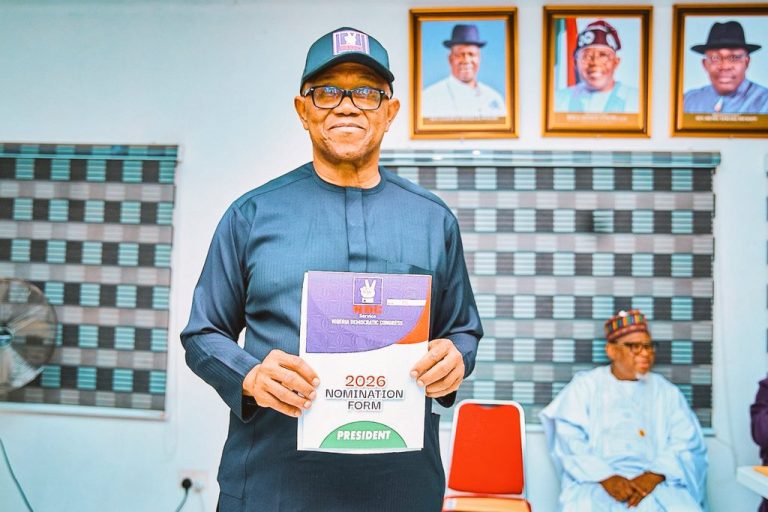
Peter Obi, who finished third in the 2023 presidential election, is seeking the presidency again in 2027 and is now the presidential candidate of the Nigeria Democratic Congress (NDC), according to recent reports. Obi has also urged supporters to protect their votes from the polling unit through the final declaration of results.
Wike, meanwhile, has remained an influential political figure following his appointment as FCT minister after leaving office as Rivers State governor.
His political relationship with the PDP and his role in the G5 dispute have continued to attract attention as political parties and emerging alliances prepare for the next presidential contest.
In his recent television appearance, Wike also argued that the political circumstances that helped Obi perform strongly in 2023 had changed.
He cited factors surrounding the 2023 campaign that he believes contributed to Obi's support at the time and argued that those circumstances should not automatically be expected to remain the same ahead of 2027.
Electoral institutions face renewed scrutiny
The dispute also highlights the broader debate over the credibility and independence of Nigeria's electoral institutions ahead of 2027.
INEC is constitutionally responsible for organising federal and state elections, while security agencies have responsibilities relating to the protection of voters, officials and electoral materials.
The Obidient Movement's statement specifically called on both institutions to remain focused on those responsibilities.
Its position comes amid wider political concerns over electoral transparency. Other political groups have also issued warnings against election manipulation ahead of 2027. In July, youth leaders of the African Democratic Congress in the South-South similarly called for free, fair and credible elections and warned against attempts to impose electoral outcomes against voters' wishes.
The competing political positions show that concerns about the conduct of the 2027 elections extend beyond a single political movement.
Calls for peaceful participation
While the Obidient Movement used strong language in its warning, its statement also urged citizens and political actors to focus on protecting the integrity of the electoral process.
The group called on political thugs not to allow themselves to be used to disrupt elections, arguing that citizens should not be recruited to create disorder at polling units.
It further insisted that political disagreements should not replace the formal voting process.
The movement's central demand was that the 2027 election should be decided by voters and that the results announced should correspond with votes actually cast.
That position places particular emphasis on polling-unit processes, collation and the conduct of electoral officials and security personnel.
2027 election debate likely to intensify
The exchange between the Obidient Movement and Wike comes more than a year before the 2027 general elections, but the political groundwork for the contest is already well underway.
The dispute also reflects unresolved arguments from the 2023 presidential election, particularly over the role of the G5 governors, the performance of Peter Obi in the South-South and the political calculations that shaped the PDP's campaign.
Wike's explanation of the G5 strategy has reopened those questions, while his subsequent rejection of allegations of rigging provides his position on the controversy.
For the 2027 election, the Obidient Movement is now demanding that political actors refrain from interfering with the voting process and that INEC and security agencies maintain their institutional responsibilities.
As parties, candidates and political movements continue to mobilise ahead of the election, the conduct of the electoral process is likely to remain a major issue in the political debate.
For now, the disagreement between Wike and the Obidient Movement remains a political dispute over the interpretation of the 2023 election and expectations for 2027. The movement has made clear that it intends to scrutinise the process closely and oppose what it considers attempts to alter voters' choices.