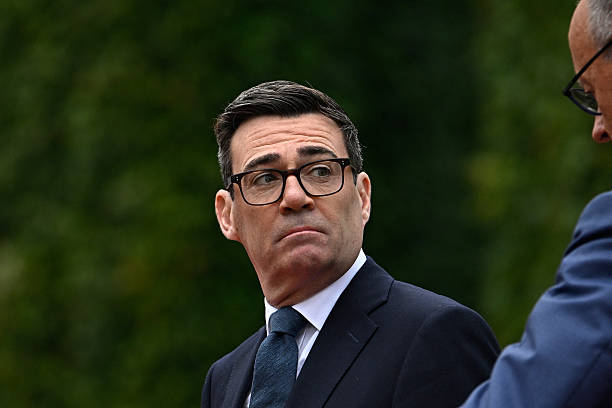
British Prime Minister Andy Burnham believes the 2016 Brexit referendum result was legitimate despite fresh claims that Russia attempted to interfere in the vote, Downing Street has said.
The clarification followed controversy over Burnham's remarks that he had received confirmation that Russia interfered in the referendum, which resulted in the United Kingdom voting to leave the European Union (EU).
The government has maintained that although Moscow sought to influence the political debate, its efforts did not succeed in changing the outcome of the referendum.
Downing Street Defends the Referendum Result
Downing Street said it was “inconceivable” that Russia did not attempt to use the referendum to advance its interests.
However, the Prime Minister's official spokesperson stressed that the government did not believe those efforts had been successful.
The spokesperson confirmed that Burnham accepted the legitimacy of the referendum result, following questions about whether his comments amounted to a challenge to the public's decision.
The clarification came after the prime minister discussed Russian interference during an interview with The Rest Is Politics podcast.
Burnham said he had asked officials whether Russia interfered in the 2016 referendum and received a clear answer that it had.
His comments reignited debate over the extent of foreign interference in the campaign and whether it had any meaningful effect on the result.
MI5 Chief Confirms Russian Interference Attempts
The head of Britain's domestic intelligence agency, MI5, Ken McCallum, said on Tuesday that Russia had attempted to interfere in the referendum through media coverage and online activity.
McCallum said Russian state-backed broadcasters RT and Sputnik published coverage that promoted anti-European Union and anti-immigration narratives around the time of the vote.
He also identified attempts to influence public discussion through fake social media accounts, particularly on X, formerly Twitter.
However, the intelligence chief drew a distinction between attempts to interfere and evidence that those efforts changed the outcome.
According to McCallum, neither approach was particularly sophisticated or successful. He warned that prolonged public debate could inadvertently give the Kremlin a propaganda victory by making its interference appear more effective than it was.
His remarks reinforced the government's position that Russian activity occurred but did not invalidate the referendum result.
Brexit Referendum Produced a Narrow Victory for Leave
The United Kingdom held the referendum on June 23, 2016, asking voters whether the country should remain in or leave the European Union.
The Leave campaign won with approximately 52 per cent of the vote, while Remain received about 48 per cent.
The result triggered a major political shift, leading to years of negotiations over the UK's departure from the bloc. The country formally left the European Union on January 31, 2020.
Debate over foreign interference has continued since the referendum, particularly concerning the use of social media, political advertising and online disinformation during election campaigns.
A 2020 report by the UK Parliament's Intelligence and Security Committee criticised the government's handling of concerns about Russian interference and said it had not adequately investigated the extent of possible Russian involvement in the Brexit referendum.
Debate Over Russian Influence Continues
Burnham's comments have also drawn criticism from political opponents, who questioned whether his remarks risked undermining confidence in the referendum.
Conservative leader Kemi Badenoch accused the prime minister of casting doubt on the legitimacy of the result. Burnham subsequently rejected the suggestion that he considered the referendum illegitimate.
The prime minister has also used concerns about Russian interference to argue for closer cooperation between the UK and European countries on security and other shared challenges.
Russia has repeatedly denied interfering in the Brexit vote.
The latest statements leave the British government's position clear: Russian actors attempted to influence the referendum, but officials do not believe those efforts succeeded in determining the outcome.
The distinction between foreign interference and demonstrable influence remains central to the debate, as the UK and other democracies continue to assess how hostile states use online platforms and media to shape political discussion.