ABUJA — The Nigeria Centre for Disease Control and Prevention (NCDC) has assessed Nigeria’s current preparedness for a potential Ebola outbreak at 59%.
The Director-General of the NCDC, Dr. Jide Idris, revealed this figure during an interview on June 1, 2026. While emphasizing that achieving absolute "100% readiness" is a continuous process due to the evolving nature of public health threats, Dr. Idris stressed that the agency is actively closing critical gaps to prevent the importation of the Bundibugyo virus, which is currently causing an outbreak in parts of Central Africa.
Core Findings from the Dynamic Risk Assessment
The NCDC utilized a dynamic risk assessment model to identify vulnerabilities across the nation. Key areas of concern include:
• Points of Entry: International airports and land borders were identified as high-risk zones. The NCDC has prioritized these areas for enhanced screening, recognizing them as the most likely entry points for the virus.
• Porous Borders: Dr. Idris highlighted that land migration poses a significant surveillance challenge compared to air travel, necessitating heightened vigilance in border communities.
• Variable Readiness: Preparedness levels fluctuate, requiring the constant updating of emergency infrastructure, including isolation centers, diagnostic laboratories, and supply stockpiles.
Strengthening National Response Protocols
In light of the assessment, the Federal Ministry of Health has issued new, mandatory protocols for all relevant government agencies. These measures aim to tighten control over international arrivals and standardize response procedures across the country.
Key components of the NCDC's response strategy include:
• Rapid Detection & Isolation: Emphasizing the necessity of early identification and the immediate isolation of suspected cases to break transmission chains.
• Laboratory Expansion: Scaling up laboratory capacity to ensure rapid diagnostic testing for Viral Haemorrhagic Fevers (VHF), reducing the time taken to confirm suspected cases.
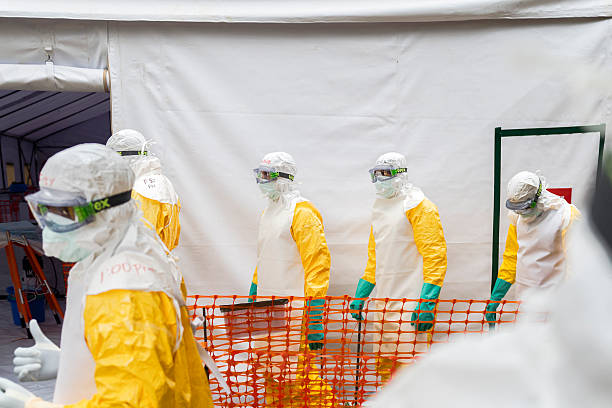
• Training and SOPs: Implementing rigorous training programs for healthcare workers, focusing on Standard Operating Procedures (SOPs) for triage, infection prevention, and the correct use of Personal Protective Equipment (PPE).
• Community Engagement: Promoting public awareness to address traditional health-seeking behaviors, such as the consumption of bushmeat, which can increase the risk of Lassa fever and other zoonotic diseases.
A Call for Subnational Leadership
Dr. Idris urged State Governments to take greater leadership in local disease prevention and outbreak response. He noted that while the federal government provides guidance and stockpiles, effective management depends on the strength of state-level health systems, infrastructure, and local emergency operations.