ABUJA — The World Health Organization (WHO) has confirmed that Nigeria’s risk of an Ebola outbreak remains low, even as the ongoing crisis in the Democratic Republic of Congo (DRC) and Uganda is classified as a Public Health Emergency of International Concern (PHEIC).
Outbreak Status
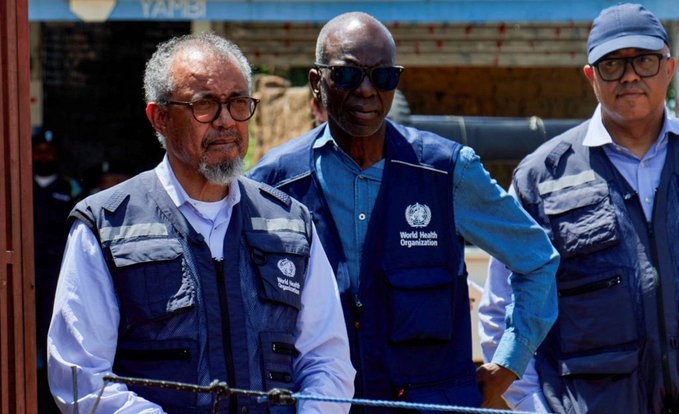
Speaking on Arise TV, Dr. Chikwe Ihekweazu, Executive Director of the WHO Health Emergencies Programme, clarified that while the situation in Central Africa is dire, it does not pose an immediate, high-level threat to Nigeria.
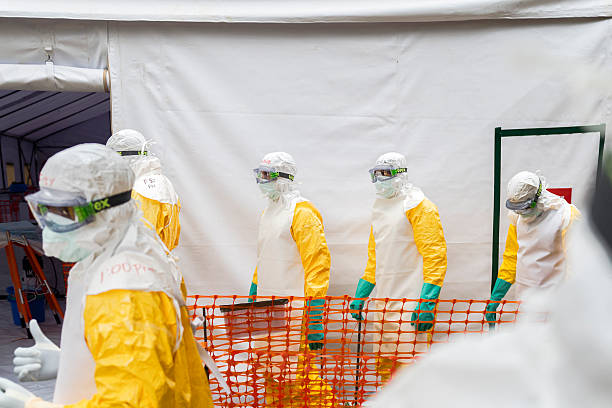
Severity: This is the ninth time in history that an Ebola outbreak has been declared a PHEIC, underscoring the severity of the situation in the DRC, where over 300 confirmed cases have been reported.
Casualties: Official reports from the Africa CDC indicate that the epidemic is suspected to have claimed at least 246 lives in the DRC and Uganda.
Containment: Authorities in the DRC have taken drastic measures, including suspending all commercial flights to and from Bunia, Ituri, to contain the spread of the haemorrhagic fever.
Why Nigeria’s Risk is Low
Despite the international alert, health experts note that geographical distance and robust surveillance protocols keep Nigeria's risk level minimal.
Surveillance: Nigeria’s health authorities continue to maintain heightened vigilance at international ports of entry.
Coordinated Response: The WHO is leading an internationally coordinated response to assist the affected countries in contact tracing, isolation, and safe burial practices.
"Uganda is the only country outside the DRC to have recorded confirmed cases," Ihekweazu noted, emphasizing that the global response is focused on limiting further cross-border transmission.