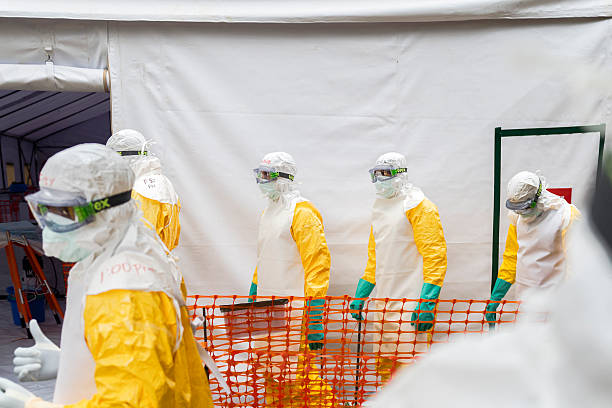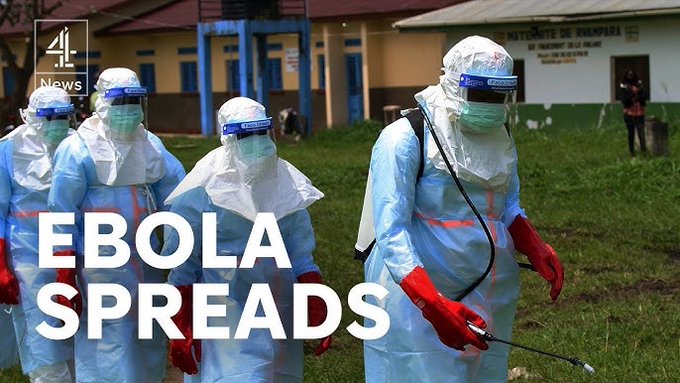
LAGOS — Amid the confirmed outbreak of the Ebola virus disease in the Democratic Republic of the Congo (DRC) and Uganda, Nigerian health experts are urging citizens to exercise extreme caution and avoid the consumption of bush meat to minimize the risk of transmission.
The alert comes as the World Health Organization (WHO) declared the current epidemic, caused by the Bundibugyo strain of the virus, a Public Health Emergency of International Concern. As of May 26, 2026, the outbreak has resulted in over 100 confirmed cases and hundreds of suspected infections in the DRC, with additional cases reported in Uganda.
Understanding the Transmission Risk
Physicians emphasize that Ebola is a zoonotic disease, meaning it is transmitted from animals to humans through contact with the blood, organs, or bodily fluids of infected wildlife. High-risk animals identified by experts include bats, monkeys, gorillas, and chimpanzees.
Professor Tanimola Akande, a Professor of Public Health at the University of Ilorin, highlighted that the risk extends far beyond the final meal. "Consumption of cooked meat is not the only means of transmission," Prof. Akande warned. "Physical contact with animals through hunting, the processing of meat, and displaying it for sale are potential ways the virus can be transmitted to man."
National Preparedness and Surveillance
While there have been no confirmed cases of the Bundibugyo strain in Nigeria, the Nigeria Centre for Disease Control and Prevention (NCDC) has ramped up surveillance and preparedness efforts. The agency is coordinating closely with Port Health Services to monitor regional travel and movement, particularly given the high volume of trade and transit across African borders.
The NCDC has issued a public health advisory recommending that Nigerians:
• Avoid contact with wild animals: Specifically bats and non-human primates.
• Maintain strict hygiene: Practice regular handwashing and avoid contact with individuals showing symptoms of undiagnosed infections.
• Handle meat with caution: If consumption is unavoidable, ensure meat is handled using protective equipment like gloves and is thoroughly cooked.
• Report symptoms immediately: Seek medical attention and report to health facilities if symptoms such as fever, muscle pain, sore throat, or unexplained bleeding occur.
A History of Vigilance
Nigeria’s healthcare system remains on high alert, drawing on lessons from previous outbreaks, including the 2014 Ebola crisis. Health authorities are stressing that public awareness and strict adherence to these advisories are the most effective tools for maintaining Nigeria’s safety against the current regional threat.