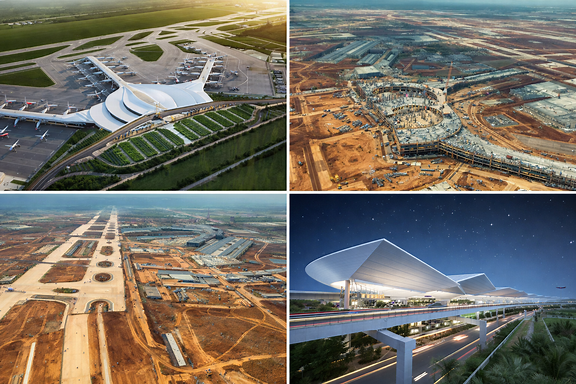
SINGAPORE — For most travelers, an airport is a place of endurance—a gauntlet of long queues, gray corridors, and the frantic scramble for a functioning power outlet. But at Singapore’s Changi Airport, the experience is startlingly different. Here, you don't just endure the airport; you experience it. With its 14th Skytrax World’s Best Airport title secured in 2026, Changi continues to widen the gap between itself and global rivals struggling with aging infrastructure and labor strikes.
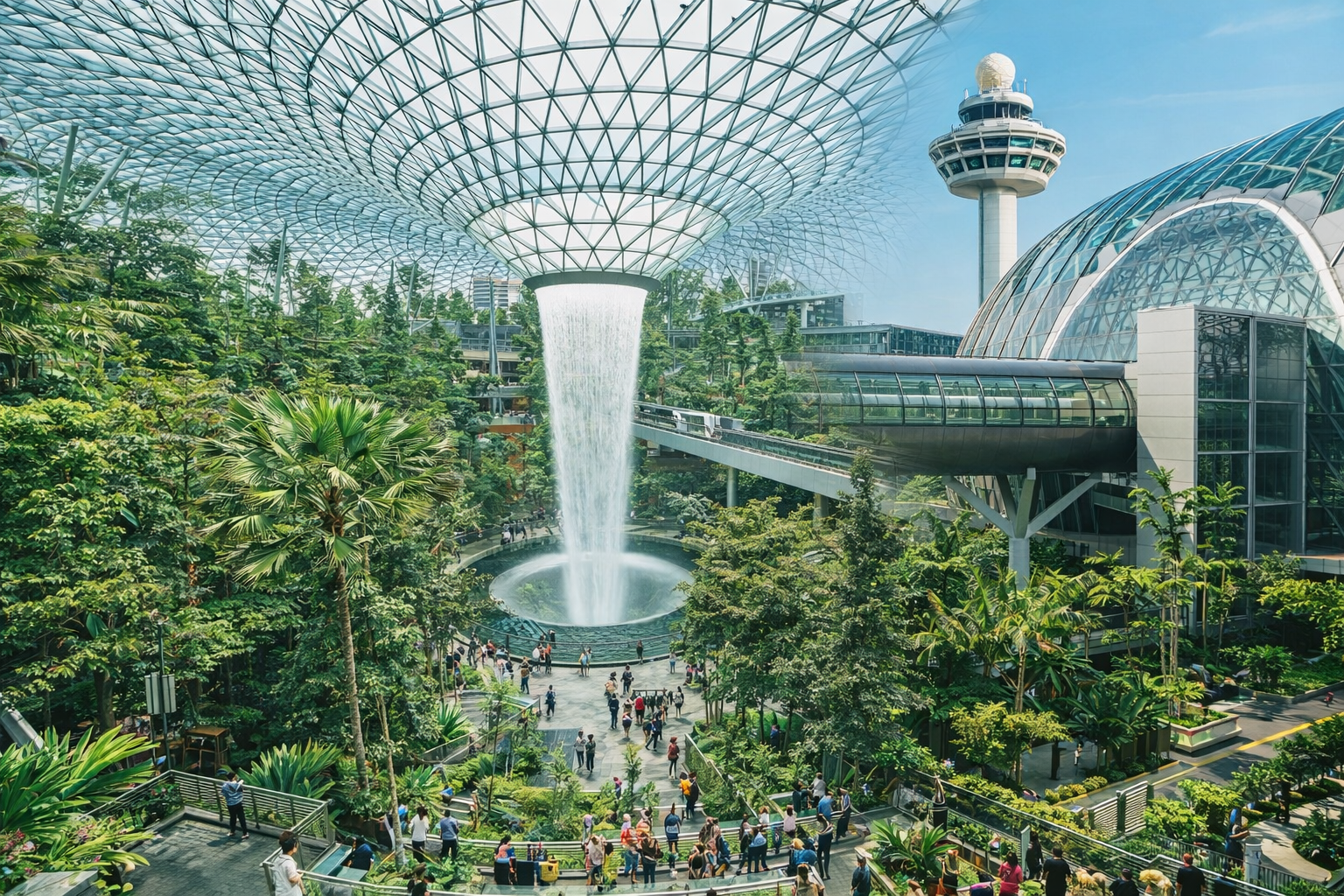
While the "Jewel" waterfall and butterfly gardens capture the Instagram headlines, Changi’s true dominance lies in a hyper-efficient "back-end" operation that treats passenger flow as a science rather than a logistical hurdle.
The Hierarchy of Success: Efficiency First
According to Max Hirsh of the Airport City Academy, Changi’s philosophy follows a strict three-tier hierarchy: Efficiency first, atmosphere second, and spectacle third. This is why, despite the lush greenery, the first thing a traveler notices is speed.
In 2024, Changi became the global pioneer for passport-less immigration. Using advanced biometric facial and iris recognition, the airport has removed the need for physical travel documents during departure and arrival for residents. This automation isn't just about futuristic flair; it’s a pragmatic response to Singapore’s labor constraints. By automating "dead-eye" tasks like cleaning and passport checking, Changi can redirect its 60,000-strong workforce toward high-touch passenger service.
Engineering Tranquility Through Data
The sense of calm at Changi is carefully manufactured. Every one of the 500 toilets across the terminals features a digital feedback screen. A single low rating triggers a janitorial "strike team" within minutes. Behind the scenes, predictive analytics monitor foot traffic, redirecting staff to bottlenecks before passengers even realize a crowd is forming.
This obsession with "flow" is also why the attractions are spread out. The Jewel Rain Vortex, the cactus gardens, and the new 2025 Fit and Fun Zone (complete with mini-trampolines) serve a dual purpose: they provide delight while naturally thinning out crowds in the transit halls. Even the wayfinding is intuitive, designed to minimize the "cognitive load" on jet-lagged travelers so they never have to stop and wonder which way to turn.
Terminal X and the Future of Flight
Changi refuses to rest on its laurels. The airport recently established Terminal X, an innovation lab dedicated to "left-field" solutions for the aviation industry’s most persistent problems. In a city-state known for its lightning-prone weather, the lab is currently testing a fleet of specialized drones designed to deter ground lightning strikes, preventing the costly runway shutdowns that plague other tropical hubs.
"For us, the innovation hub is a must," says Kris Mok, the lab’s communications manager. The team is encouraged to experiment with technologies that may not even be commercially viable for years, ensuring that Changi stays "two steps ahead" of evolving customer expectations.
A National Symbol of Excellence
Dating back to the 1970s, founding father Lee Kuan Yew envisioned Changi as Singapore’s "calling card" a physical manifestation of the nation’s commitment to being organized, clean, and reliable. Today, that vision remains the airport's North Star. For frequent fliers like Alisha Rodrigo, the appeal is simple: "You can trust everything works as expected." In an era of unpredictable travel, Changi’s greatest luxury isn't the waterfall it’s the predictability.