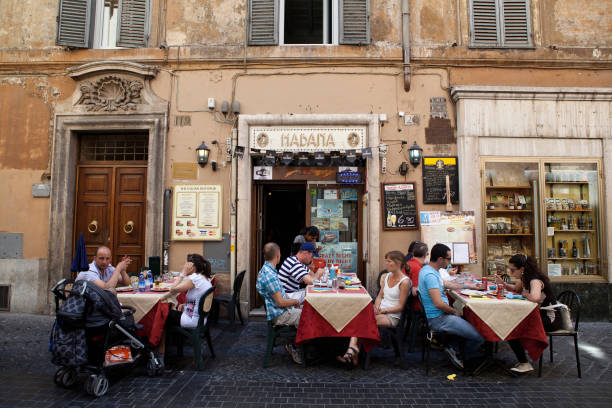
Italy is more than a country; it is a sensory experience, a historical tapestry, and above all, a global cathedral of gastronomy. From the sun-drenched lemon groves of the Amalfi Coast to the bustling, historic trattorias of Rome, Italy’s food culture is built upon centuries of tradition, regional pride, and an unwavering respect for the sanctity of a meal.
For the uninitiated traveler, navigating an Italian menu can feel like walking through a minefield of unwritten laws. While the food itself is often deceptively simple—relying on the quality of seasonal produce rather than complex spice blends—the rules that govern how that food is consumed are rigorous. In Italy, dining is not merely a transaction to satisfy hunger; it is a social ritual, a performance, and one of life’s greatest pleasures.
To help you blend in, show respect to your host, and maximize your gastronomic adventure, here is the definitive guide to the seven things you should never do when dining in Italy.
1. The Cappuccino Conundrum: A Matter of Timing

You have likely heard the rumors that Italians consider a post-dinner cappuccino an affront to civilization. You might have wondered: Is it an 11:00 AM cutoff? Is noon okay?
The truth is simpler: Do not order a cappuccino at a restaurant at all.
In Italy, the cappuccino is a breakfast beverage, and it is strictly relegated to the coffee bar (il bar), not the dining table. Italian breakfasts are typically light, consisting of a brioche or a simple pastry. The creamy, frothy milk of a cappuccino is designed to complement this sweet start to the day. To an Italian, consuming that much warm, frothy milk after a heavy, savory lunch or dinner is perceived as an unnecessary burden on the digestive system. If you find yourself in a restaurant after a meal, opt for an espresso (a simple caffè) or a caffè macchiato (a shot of espresso with a drop of milk). Your stomach—and your waiter—will thank you.
2. Respect the Symphony: The Order of the Meal
Italian dining is structured like a musical symphony, unfolding in distinct, crescendoing movements. Breaking this order is akin to playing the finale before the overture. The traditional progression is:
-
Antipasto: The appetizer to stimulate the appetite.
-
Primo: The pasta, risotto, or soup course.
-
Secondo e Contorni: The protein (meat or seafood) paired with seasonal vegetables.
-
Dolce: Dessert.
-
Caffè e Amaro: Espresso and a digestive liqueur.
While you are free to skip courses, you should never ask for them to be served all at once. "Bring it all out at the same time" is a request that signals a lack of respect for the culinary journey. Furthermore, remember that contorni (sides) are meant to be eaten with the secondo, not as a substitute for it. Do not order a salad as a starter; in Italy, a salad (insalata mista) is a side dish to accompany your meat, dressed lightly with oil, salt, and lemon juice.
3. The Great Divide: Sea vs. Mountain

In the Italian culinary lexicon, there is a fundamental philosophical divide between mare (seafood) and monti (meat, land, and cheese). These traditions evolved separately in different regions, and their flavor profiles are historically regarded as incompatible.
The most famous point of contention is the request for Parmesan cheese on seafood pasta. To an Italian chef, the intense, salty, aged profile of Parmesan obliterates the delicate, briny sweetness of fresh clams or mussels. While there are exceptions—culturally sanctioned recipes that intentionally pair these worlds—you should never assume you can mix and match. Unless a dish explicitly calls for it, keep the dairy away from the sea.
4. The Chef’s Integrity: Say No to Substitutions
Outside of Italy, "Italian food" is often treated as a customizable experience where you can swap pasta shapes or remove ingredients at will. In Italy, however, a dish is a balanced architecture of flavor.
Pasta shapes are chosen specifically to complement a sauce; short, ridged pasta is paired with chunky, hearty sauces to catch every morsel, while long, silky noodles are matched with light, emulsified sauces. Asking to swap the pasta shape or swap the protein in a traditional dish is seen as a critique of the recipe’s integrity. If you have an allergy, by all means, state it clearly—Italian chefs are professionals and will often be happy to accommodate you. But if you are simply trying to "remodel" a classic dish to your personal preference, you risk insulting the very person whose labor is making your evening possible.
5. Embrace the Local: Don't Leave the Region
Italy, as a unified nation, is a relatively recent concept (dating to the late 19th century). Its culinary identity is not singular; it is a patchwork of fierce, independent regional traditions. When you travel through Italy, you are crossing borders of taste, culture, and history.

To order a "Milanese" dish in Naples or a Roman pasta in Venice is to miss the point of being there. Part of the joy of Italian travel is discovering the endemic ingredients of each town.
-
Naples: The birthplace of pizza.
-
Genova: The home of authentic, basil-heavy pesto.
-
Rome: The epicenter of cacio e pepe and carbonara.
-
Florence: Famous for the colossal Bistecca alla Fiorentina.
-
Venice: The domain of cicchetti (bite-sized snacks) paired with an Aperol Spritz.
Always ask what a town is famous for before you open the menu. You will find that local pride translates into superior quality, as regional chefs have spent a lifetime perfecting the specific recipes of their ancestors.
6. The Art of the Languorous Meal
If you are planning to "grab a quick bite" in Italy, you might need to recalibrate your expectations. Eating in an Italian restaurant is not a transactional refueling stop; it is a social ritual.
Meals are designed to be long and languorous. There is no rush to turn tables, no push to get you out the door. The gaps between courses are filled with wine, debate, laughter, and the simple pleasure of good company. If you head to dinner at the traditional hour of 21:00, do not be surprised if you do not step back out onto the street until close to midnight. Treat the meal as the main event of your evening, not a hurdle to clear.
7. The Final Act: Don’t Skip the Amaro
The conclusion of the meal is as important as the first bite. After the dolce and the caffè, the proper way to signal the end of the ritual is the amaro.
Amaro literally means "bitter." These herbal, medicinal liqueurs are crafted from a secret blend of citrus peels, walnut shells, and alpine herbs. While the taste can be challenging for the uninitiated, it is a digestive aid specifically designed to bring your system back to baseline after a heavy meal. Regional diversity is key here; ask your waiter what the house specialty is, or better yet, if they have a homemade version. Sip it slowly, let the herbal bitterness settle your stomach, and embrace the Italian philosophy of dolce far niente—the sweetness of doing nothing.
A Final Note on Hospitality
The "rules" outlined here are not meant to discourage you or make you feel unwelcome. In fact, most Italians are remarkably forgiving of foreigners who make mistakes. They understand that you are a visitor, not a native. However, when you demonstrate that you understand and respect these customs, you move from being a "tourist" to a "guest." You will likely find that your waiter becomes more helpful, your wine recommendations improve, and you may even receive the nod of approval that signals you have truly begun to unlock the soul of Italy. Enjoy your meal—or as they say in the heart of the Mediterranean, buon appetito!