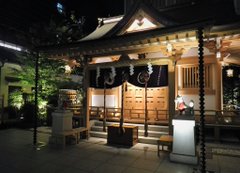
TOKYO — In the heart of Nihonbashi, a district defined by its towering glass skyscrapers, high-end department stores, and the brisk pace of suit-clad executives, lies a tiny, vermillion-gated sanctuary that offers a different kind of fortune. While most visitors to Tokyo's hundreds of Shinto shrines pray for health, academic success, or general prosperity, Fukutoku Shrine has become the ultimate pilgrimage site for a very modern obsession: winning the concert ticket lottery.
From Samurai Patronage to J-Pop Fandom
Fukutoku Shrine’s history stretches back to the 9th Century, originally dedicated to Inari, the deity of rice and harvests. Its reputation for luck took a significant turn in 1590 when the legendary samurai Tokugawa Ieyasu visited the grounds. Enamored by the shrine, he granted it special privileges, including the rare right to host public lotteries.
For centuries, the shrine was a haven for those seeking a windfall from traditional ticketed draws. However, as the 1990s ushered in the era of J-Pop and "idol culture," the nature of the prayers shifted. In Japan, demand for major acts like BTS, ZeroBaseOne, and Ayumi Hamasaki is so high that tickets are rarely sold on a first-come, first-served basis. Instead, fans must enter a multi-step online lottery system just for the chance to buy a seat. To gain an edge, fans turned to the ancient "Lottery Shrine," hoping for divine intervention to see their oshi the specific performer they idolize.
The Ritual of the Oshi
On any given day, the quiet oasis of Fukutoku is a sea of quiet devotion. Fans follow a strict traditional ritual to catch the ear of the kami (gods). After purifying their hands and mouths at the temizuya water fountain, they approach the main altar, bow twice, clap twice to summon the deity, and offer their silent plea.
The true evidence of the shrine’s power lies in the ema—small wooden prayer cards tied to massive racks near the entrance. These cards, which cost between 500 and 1,000 yen, are covered in frantic, heartfelt handwriting. A quick glance at the boards reveals a diverse range of musical tastes, with fans begging for a win in the upcoming lottery cycles. For these devotees, the "jackpot" isn't money; it’s a physical ticket that allows them to be in the same room as their favorite artist.
Spirituality in the Secular World
While some might view praying for a boy band concert as materialistic, Japanese scholars and priests see it differently. The act of visiting the shrine, preparing the prayer, and participating in the ritual provides an internal peace and mental focus that transcends the ticket itself. Taishi Kato, a 22nd-generation priest, notes that if respect is paid to the kami, it is perfectly acceptable to pray for whatever brings one true joy.
The phenomenon reached its peak as pandemic restrictions lifted. Guides recall that the shrine was so crowded with fans desperate to return to live music that the local streets had to be closed. For many, the result is real. Whether it is a statistical anomaly or divine help, stories like that of reporter Krista Rogers who only secured an Ayumi Hamasaki ticket after visiting Fukutoku keep the legend alive. In a city as fast-paced as Tokyo, this tiny shrine remains a place where fans can slow down, bow their heads, and leave their fate to luck.