AUSTIN, Texas — The detection of a New World screwworm (Cochliomyia hominivorax) infestation in a three-week-old beef calf in Zavala County, Texas, marks a sobering milestone in American agricultural history. Confirmed on June 3, 2026, by the National Veterinary Services Laboratory, this is the first documented case of the parasite in the United States in six decades. The return of this devastating pest, which was officially eradicated from the U.S. in the 1960s, has triggered a high-level emergency response from both federal and state authorities aimed at preventing a catastrophic outbreak that could cripple the nation’s livestock industry.
Understanding the New World Screwworm
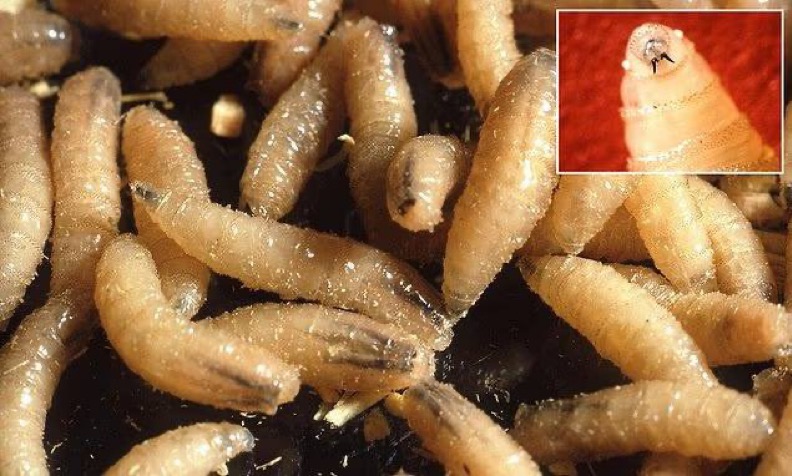
Unlike common houseflies, whose larvae feed on decaying organic matter, the New World screwworm is an obligate parasite. This means the larvae, or maggots, feed exclusively on the living tissue of warm-blooded animals. Female flies are attracted to any open wound—even minor ones like a tick bite, an umbilical cord, or a surgical site—where they deposit hundreds of eggs.
Once hatched, the larvae burrow into the animal's flesh, creating deep, pocket-like wounds that enlarge as the maggots feed. If left untreated, a severe infestation can lead to death within a matter of days due to tissue destruction, secondary bacterial infections, and systemic shock. Historically, the economic devastation caused by screwworms in the U.S. was monumental, costing the agricultural sector hundreds of millions of dollars annually until the development of the Sterile Insect Technique (SIT).
The Emergency Response: Containment and Eradication
The U.S. Department of Agriculture (USDA) and the Texas Animal Health Commission (TAHC) have moved rapidly to contain the threat. Their strategy is built on lessons learned during the successful mid-20th-century eradication campaigns.
-
Quarantine and Movement Restrictions: A 20-kilometer (approximately 12.4-mile) exclusion zone has been established around the detection site in La Pryor, Texas. Within this perimeter, stringent movement restrictions are in place. Owners are prohibited from moving livestock, wildlife, or pets out of the zone without veterinary inspection and clearance, effectively creating a "biological moat" to stop the spread of the flies.
-
The Sterile Insect Technique (SIT): The backbone of the eradication plan is the mass release of sterile screwworm flies. By utilizing ionizing radiation to sterilize male flies in a laboratory setting, the USDA can flood the wild population with flies that are biologically incapable of reproduction. When sterile males mate with wild females, no offspring are produced. By maintaining this over-saturation of sterile flies, the wild population inevitably crashes. This method is internationally recognized as the gold standard for controlling NWS without the widespread use of harmful chemical pesticides.
-
Strategic Surveillance Teams: Field veterinary medical officers and animal health technicians are conducting door-to-door inspections of livestock across Zavala County and neighboring regions. These strike teams are searching for any signs of larval infestation or suspicious lesions, ensuring that the detection in the beef calf was an isolated event and not the tip of a wider infestation.
Food Supply Safety and Human Risk
While the presence of the screwworm is a significant agricultural emergency, federal officials have moved to calm potential public panic regarding the U.S. food supply.
-
Commercial Food Supply: The USDA has explicitly stated that the commercial food supply is safe. New World screwworms do not infest post-slaughter meat products, nor do they inhabit fruits or vegetables. The risk is strictly biological—targeting living animal tissue.
-
Human Health Implications: While screwworms can theoretically infest humans—a condition known as myiasis—such cases are extremely rare and generally only occur in individuals who are incapacitated, living in unsanitary conditions, or who have significant open wounds that remain untreated. The primary threat remains squarely focused on the livestock, equine, and wildlife sectors.
A Call for Public Vigilance
The success of the containment operation depends heavily on the eyes and ears of rural landowners and animal caretakers. The TAHC and USDA are urging all stakeholders to adopt an attitude of heightened surveillance.
Livestock owners should conduct daily head-to-tail physical inspections of their animals. Key areas of concern include the navel of newborns, branding sites, dehorning wounds, and any areas where ticks might be feeding. Any animal showing signs of "pock-marked" wounds, foul-smelling discharge, or the visible presence of maggots should be treated with extreme caution.
Key Reporting Protocols:
-
Livestock and Pets: If an infestation is suspected, do not attempt to transport the animal, as this may spread the larvae to other locations. Contact your local veterinarian or the Texas Animal Health Commission immediately. The TAHC is prepared to deploy diagnostic teams to sample the larvae and provide guidance on localized treatment.
-
Wildlife: The screwworm does not discriminate between domestic and wild animals. Reports of maggot infestations in live or recently deceased wildlife near the U.S.-Mexico border should be directed to the USDA’s Wildlife Services at 866-4USDA-WS (866-487-3297).
The next few weeks will be critical in determining whether this resurgence can be eradicated before it spreads beyond the current quarantine zone. By combining modern diagnostic technology with the proven effectiveness of the Sterile Insect Technique, officials are working to ensure that the 60-year absence of this pest remains the norm. However, until the TAHC declares the area cleared of the threat, the rural agricultural community remains on the front lines of what is effectively a biological containment mission of national importance.