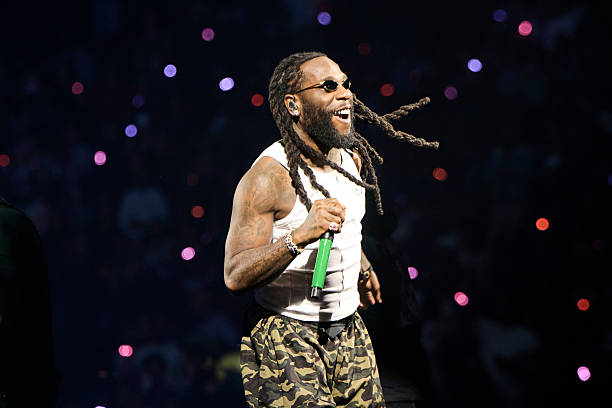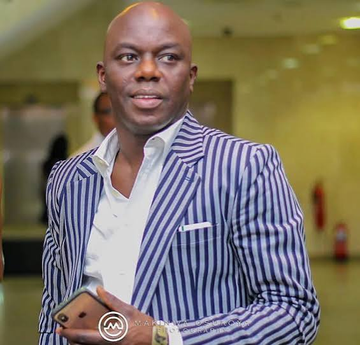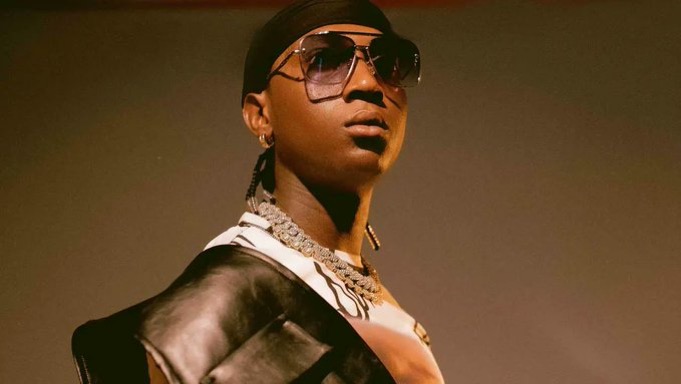
LAGOS, NIGERIA — In an era where digital media cycles move at a breakneck pace, the line between viral sensationalism and factual reporting is frequently blurred. The latest high profile figure to be caught in this web of rapid misinformation is Nigerian Afrobeats sensation Akinbiyi Abiola Ahmed, professionally known as Bella Shmurda.
The charting singer has officially broken his silence to dismiss widespread online reports alleging that he lost a staggering $4 million in a fraudulent real estate transaction in Lagos. Describing the claims as entirely manufactured, the artist took to social media to reassure his global fanbase, criticize unchecked blogging practices, and clarify the context behind the viral content fueling the rumors.
The controversy erupted mid-week after several entertainment blogs and social media pages circulated claims that the singer had suffered a massive financial blow. According to these reports, Bella Shmurda had allegedly hosted a tearful Instagram Live broadcast, openly weeping while admitting to purchasing a stolen property with his life savings. However, the singer's recent public statements have thoroughly debunked the narrative, revealing a growing vulnerability within the digital entertainment ecosystem to recycled media and unverified reporting.
The Anatomy of a Viral Hoax: How the Rumor Gained Traction
The rumor mill began turning when clips and text descriptions of an alleged Instagram Live session began circulating across TikTok, X (formerly Twitter), and various Nigerian entertainment blogs. The reports painted a dramatic picture, claiming that the "Cash App" crooner was in a state of emotional distress and desperately appealing to the public for intervention.
According to the widely circulated script, the singer supposedly stated during the broadcast:
“Nigeria, I need your help. I’m not doing okay right now. I spent $4 million of my own hard-earned money, only to find out I bought stolen property.”
Given the current economic landscape and the high stakes of premium real estate investments in metropolitan hubs like Lagos, the narrative immediately generated massive public engagement. Fans, digital commentators, and industry onlookers flooded comment sections with expressions of concern, while others questioned the logistics of a contemporary music artist executing a cash transaction of that magnitude within the domestic property market.
As the story was shared across multiple platforms, it quickly transformed from a localized piece of gossip into a trending topic, illustrating how easily unverified content can masquerade as breaking news when tied to a prominent public figure.
Setting the Record Straight: Bella Shmurda Reacts on Social Media
Choosing to address the situation directly rather than letting the speculation linger, Bella Shmurda released a series of brief but definitive statements via his official Instagram Story on Friday, July 17, 2026. Using humor and direct language, the singer aimed to dismantle the narrative and ease the anxiety of his followers.
In his first major update, the singer posted a clear statement:
“Fake news!! I wasn’t scammed. Trust bloggers @ ur own Risk. Doing fine and happy. Peace & Love.”
To emphasize the absurdity of the financial figures being quoted by digital publishers, the artist followed up with a second post. Writing “4m$ keh?? This country no go sleep!!”, he openly mocked the idea that he had lost such a large sum in a property scam.
The use of local slang and a lighthearted tone served a dual purpose: it signaled to his audience that he was not under financial or emotional distress, while highlighting the exaggeration typical of clickbait media outlets looking to maximize user engagement.
Decontextualized Media and the Digital Archiving Problem
As the singer’s official denial began to circulate, independent media researchers and close associates from the artist’s camp began investigating the source of the initial viral video. The findings highlight a major challenge facing modern digital journalism: the weaponization of decontextualized, archived media.
Statements from members of Bella Shmurda’s management team confirmed that the video clip being shared by blogs was not a recent broadcast from 2026. Instead, it was an old snippet dating back to 2023 that had been deliberately edited, stripped of its original timeline, and re-uploaded with a misleading caption to fit a false narrative about a real estate scam.
In the original 2023 context, the emotional expressions were entirely unrelated to real estate fraud or financial ruin. By superimposing a fictional $4 million property scam storyline onto old footage, content creators successfully engineered a highly shareable, emotionally charged hoax designed to exploit the algorithms of major social media platforms.
High-Stakes Real Estate and the Realities of Celebrity Investments
The reason this hoax gained traction so quickly lies in the broader socio-economic reality of the Nigerian real estate sector. Lagos—particularly high-end districts like Ikoyi, Lekki, and Victoria Island—has seen a massive real estate boom driven significantly by investments from tech entrepreneurs, diaspora buyers, and successful entertainment figures.
For many top-tier Afrobeats artists, real estate represents the ultimate vehicle for wealth preservation and asset diversification. However, the Lagos property market is also known for its complex land tenure systems, occasionally plagued by overlapping ownership claims, fraudulent land agents, and long legal disputes involving families or government allocations.
Because genuine property disputes involving high-profile individuals do happen in the metropolitan market, the blogging community found a receptive audience ready to believe the manufactured story. However, an analysis of the financial figures shows that a $4 million transaction equivalent to billions in local currency would typically involve rigorous corporate due diligence, institutional legal oversight, and formal registration with state land registries, making a sudden, unverified "stolen property" revelation highly unlikely for an established brand.
The Editorial Impact of Clickbait on Journalism Standards
For digital publishers and platforms operating under Google AdSense standards, the propagation of the Bella Shmurda property hoax serves as a reminder of the importance of strict fact-checking and editorial accountability. Under modern search and discovery guidelines, content accuracy, reliable source verification, and transparent context are essential for maintaining platform integrity and user trust.
Republishing unverified social media claims without looking into their origins or timeline can damage a platform's credibility. The quick spread of this story highlights a growing need for media outlets to look past viral engagement and verify the authenticity of video assets before presenting them as current news events.
With Bella Shmurda confirming that he remains in good spirits and focused on his creative output, the conversation turns back to his music. The singer's ability to swiftly address and control the narrative prevented long-term brand damage, demonstrating the value of direct public communication in an era dominated by rapid digital speculation.