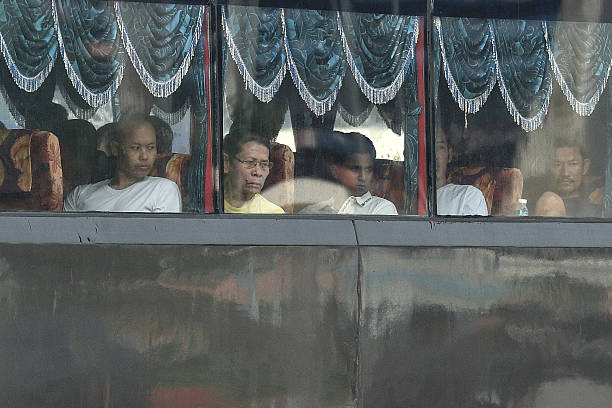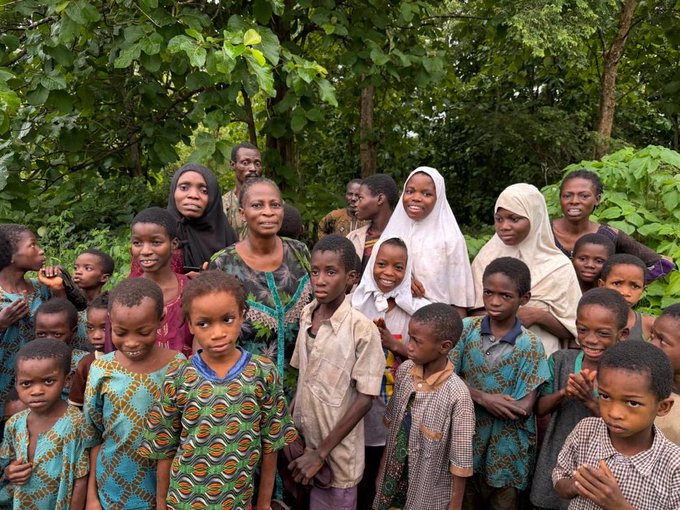
IBADAN — The harrowing, 50-day ordeal that gripped the community of Orire Local Government Area in Oyo State has finally concluded. On Friday, July 10, 2026, the Federal Government officially confirmed that all pupils and teachers abducted during the mid-May attack on Ahoro-Esiele have been rescued. The return of the victims, who had been held captive by unidentified gunmen since May 15, marks a major breakthrough in a security crisis that had sparked nationwide concern and intense debate regarding the safety of Nigeria’s rural educational infrastructure.
The Conclusion of an Agonizing Wait
The announcement of the rescue was confirmed by Bayo Onanuga, the Special Adviser to the President on Information and Strategy, through a post on his verified X (formerly Twitter) handle. “Finally, all the kidnapped pupils and teachers in Orire, Oyo have been rescued by our security agencies,” Onanuga wrote. This brief update provided the first sign of closure for families who had spent nearly two months in a state of suspended hope, awaiting news about the whereabouts and condition of their loved ones.
The abduction, which occurred on May 15, 2026, involved the invasion of three educational institutions in Esiele: Baptist Nursery and Primary School, L.A. Primary School, and Community Grammar School. The gunmen abducted 46 individuals, including 39 students and seven teachers. The gravity of the situation was compounded early on by the tragic loss of one of the teachers, Michael Oyedokun, who was killed by the abductors shortly after the initial kidnapping, casting a dark shadow over the entire period of captivity.
Tactical Success and the Silence on Ransom
The rescue operation has been described as a result of intensified, multi-agency efforts by the Nigerian security apparatus. Just days before the successful rescue, the Chief of Army Staff, Lieutenant General Waidi Shaibu, had assured the public that troops were making "tremendous progress" in the search, utilizing a combination of aerial surveillance and ground-level tactical maneuvering.
While the government has remained tight-lipped regarding the specific tactical nature of the rescue—such as whether a direct kinetic operation was launched or if the release resulted from a prolonged period of intelligence-led negotiation—officials have consistently maintained a policy of "no ransom paid." This stance is central to the federal government’s broader counter-terrorism and anti-kidnapping strategy, which emphasizes the dangers of creating a financial incentive structure for criminal syndicates. Despite this official policy, the lack of granular detail regarding the release has led to ongoing speculation among security analysts about the exact circumstances that finally secured the victims' freedom.
Psychosocial Impact and Community Healing
For the residents of Orire and the affected families, the return of the pupils and teachers is the beginning of a complex healing process. The psychosocial toll of such a prolonged abduction—especially for children—remains a significant concern for health professionals and child welfare advocates. The Oyo State Government has already indicated that it will coordinate medical, psychological, and social support services to assist the victims as they reintegrate into their community.
The return of the victims also provides a moment for the community to reflect on the resilience of the Nigerian spirit. In the weeks following the abduction, the Orire community became a focal point for national advocacy, with parents and leaders repeatedly urging the government to prioritize the lives of rural students with the same intensity as those in major urban centers.
The Broader Security Context in Oyo State
The rescue of the Orire group occurs amidst a wider, aggressive push by the Nigerian security apparatus to neutralize kidnapping syndicates operating across the South-West. Oyo State, which sits at a strategic geographic crossroads, has frequently been a corridor for criminal groups moving between the northern forests and the commercial hubs of the south.
Security agencies have intensified their collaboration in recent months, emphasizing a shift toward:
-
Enhanced Intelligence Integration: Moving away from reactive, localized responses toward a centralized intelligence grid that monitors movement patterns across state borders.
-
Inter-Agency Synergy: Improved cooperation between the Nigeria Police Force, the Nigerian Army, and the local Amotekun security network, which serves as a critical bridge between local knowledge and formal security tactics.
-
Community-Based Vigilance: The government has repeatedly emphasized the importance of collaboration with local communities, urging citizens to act as the "eyes and ears" of the security architecture to prevent criminal infiltration.
Renewed Calls for Systemic Reform
While the safe return of the victims is a victory for the security forces, the incident has renewed critical debate regarding the safety of schools in Nigeria’s remote regions. The 50-day captivity of these students has become a symbol of the broader security challenges facing the country, particularly the vulnerability of children in areas where banditry remains a persistent threat.
As the state transitions from the rescue phase to the investigative phase, stakeholders are calling for a three-pronged approach to prevent future occurrences:
-
Strengthened School Protection: A comprehensive audit of security infrastructure in rural schools, including the installation of early-warning communication systems and the establishment of "safe zones" in high-risk areas.
-
Justice and Prosecution: The public is demanding updates on whether any of the abductors have been apprehended. Without successful prosecution and a visible demonstration of justice, the cycle of impunity that encourages such crimes remains dangerously unbroken.
-
Institutionalization of Post-Rescue Care: The need for a formal, state-funded framework to provide long-term counseling and support for victims of abduction, ensuring that the trauma of captivity does not permanently hinder their educational or emotional development.
The successful release of the pupils and teachers is a significant relief, but it is not the end of the journey. For the residents of Orire, the focus now shifts to rebuilding trust and securing the future of their children. The success of this rescue provides a blueprint for what is possible when government, security agencies, and the community act in concert, but it also underscores that the work of securing Nigeria’s classrooms is an ongoing, evolving, and highly urgent national imperative.