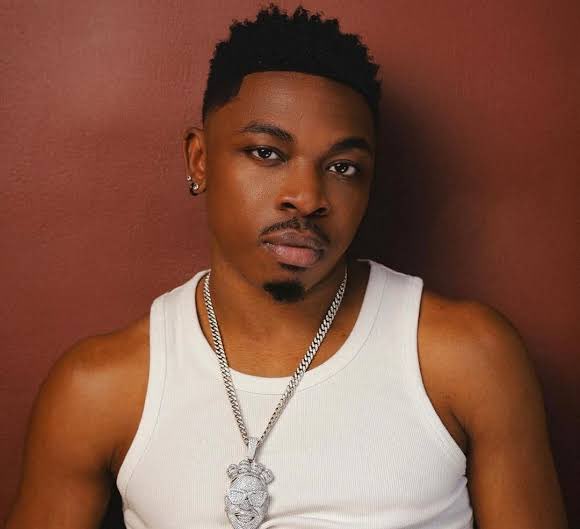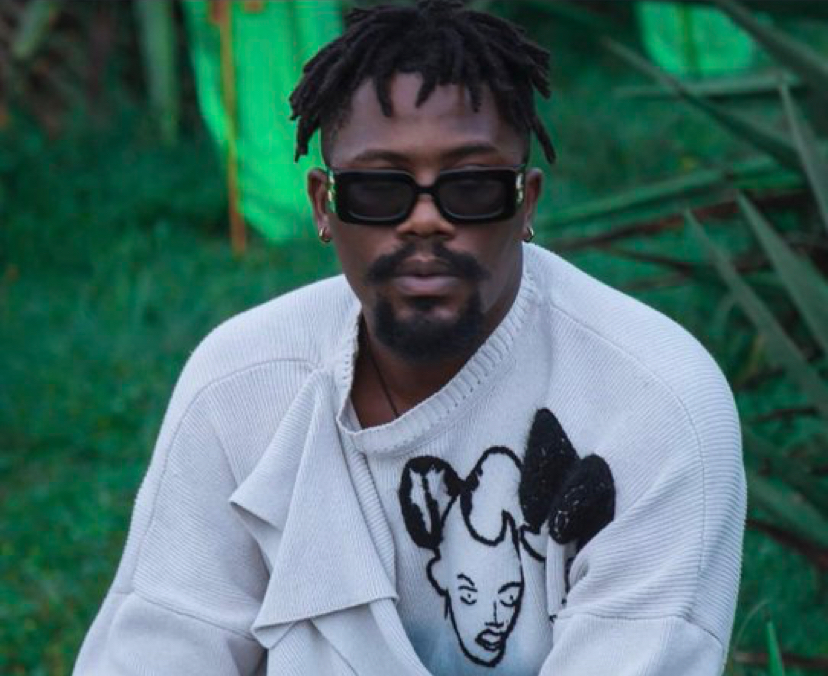
LAGOS — Nigerian hip-hop artist and songwriter Oludemilade Martin Aleba, popularly known as Ycee, has sparked widespread public dialogue following his recent candid commentary on societal values, the relentless pursuit of material wealth, and the viral online discourse surrounding the "Olodo Uprising" debate.
Speaking in a comprehensive media interview, the former Tinny Entertainment artist offered a reflective critique of modern Nigerian social dynamics, expressing deep concern over how financial ambition has increasingly overshadowed ethical boundaries, personal integrity, and community standards.
Addressing the online backlash that followed his previous public remarks, Ycee clarified his personal academic background, rejected accusations of classism, and opened up about his personal struggles with reading retention and early educational aspirations.
Wealth Obsession and Societal Standards: Ycee’s Core Critique
At the center of the rapper's commentary is a blunt assessment of how the relentless drive for financial accumulation has altered social behavior and moral standards within contemporary society.
Ycee argued that while economic hardship is a reality across many developing nations, the societal normalization of questionable behavior in exchange for money has reached worrying levels in Nigeria.
"I hate what the pursuit of money has done to us as a society," Ycee stated during the interview. "There are countries that are worse off, like war-torn countries, that don’t behave as badly as some Nigerians behave."
The rapper criticized the pervasive mindset where individual success is judged solely by financial outcomes, regardless of how that wealth was generated or the ethical compromises made along the way.
"Everybody’s excuse is, 'I mean, as long as you make money...'" he added, highlighting how popular culture and digital spaces frequently sanitize dubious practices under the umbrella of financial survival.
The "Olodo Uprising" Misunderstanding: Clarifying Academic Credentials
The controversy surrounding Ycee originally intensified during discussions linked to the "Olodo Uprising"—a viral social media trend focused on educational attainment, intellectual literacy, and socio-economic class dynamics in Nigeria.
Critics on social media platforms accused the artist of looking down on individuals without formal higher education, painting his comments as elitist and out of touch with the economic realities of everyday citizens.
Setting the record straight, Ycee denied coining the controversial phrase and firmly rejected claims that he was speaking from a position of academic superiority or privilege.
"I didn’t coin the phrase. I feel like a lot of people missed my point and were trying to make it seem like I was being classist and elitist because I have some level of education," Ycee explained. "Mind you, I just have my school cert oh, I don’t have a uni degree."
By revealing that his highest formal educational qualification is a Senior Secondary School Certificate (SSCE), the artist sought to dismantle the perception that his critiques were rooted in academic arrogance, emphasizing instead that his concerns were about general civic ethics and character.
Early Passion for Literacy, Later Struggles, and Higher Education Aspirations
Opening up about his childhood and personal relationship with learning, Ycee shared nostalgic memories of his early passion for reading—a habit that saw him devour extensive literature as a young student.
"At some point, I even read like the whole dictionary. Used to have a habit—reading," the rapper recalled, contrasting his past enthusiasm with his current difficulties in maintaining focus.
However, Ycee disclosed that his academic trajectory shifted during his secondary school years, as he began experiencing severe attention and concentration challenges that impacted his ability to keep up with traditional classroom learning.
"I can’t read anymore, man. I don’t know whether it’s ADHD or whatever, but it got to a point where I couldn’t even read in school. Around SS2, I was like, 'Yeah, bro, I’m done with this,'" he revealed.
Despite these struggles, the artist reflected on his long-standing ambition to pursue higher education, disclosing that he had originally aimed to study Computer Science at the prestigious University of Lagos (UNILAG).
Addressing the competitive nature of university admissions in Nigeria, Ycee lightheartedly noted how cut-off mark revisions by the Joint Admissions and Matriculation Board (JAMB) over time might have altered his academic path.
"It’s just sad that at the time I couldn’t meet the cutoff to study Computer Science in UNILAG," Ycee joked. "But now that they’ve reduced the cutoff in JAMB, maybe if I wrote JAMB now, I would have gotten Computer Science!"
Cultural Impact: Re-evaluating Values in the Creative Industry
Ycee's commentary comes at a time when Nigeria's entertainment sector faces increasing scrutiny over its influence on youth culture, value systems, and lifestyle expectations.
For years, critics have argued that mainstream music, social media influencer culture, and digital entertainment have placed an exaggerated emphasis on conspicuous consumption, luxury lifestyles, and immediate wealth, often at the expense of intellectual development, hard work, and civic responsibility.
By using his platform to question this prevailing ethos, Ycee joins a growing group of creative figures advocating for a balanced public discourse—one that values personal integrity, education, and social responsibility alongside economic ambition.
As the debate surrounding Ycee's comments continues across digital platforms, his reflections highlight a broader, ongoing conversation among Nigerian youth regarding success, moral boundaries, and the true cost of an unchecked obsession with wealth.