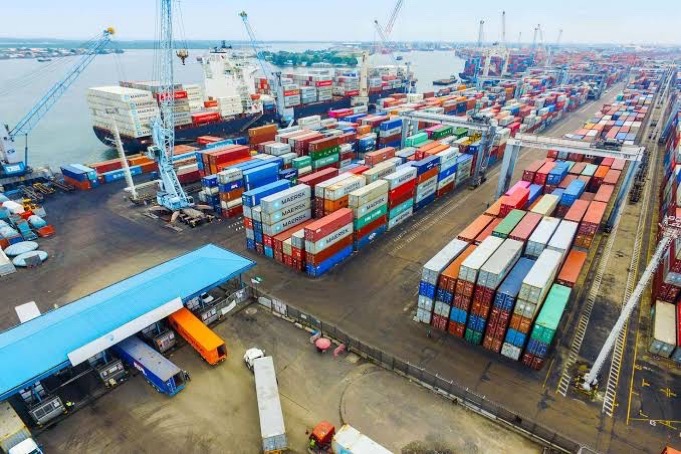
LAGOS — A landmark achievement for Nigeria’s maritime industry, the World Bank’s 2025 Container Port Performance Index (CPPI) has officially recognized the Apapa Port Complex and the Tin Can Island Port Complex as being among the top 20 most improved container ports globally. Released in June 2026, this international endorsement highlights the tangible success of ongoing efforts to modernize Nigeria’s seaports and improve operational efficiency across the nation’s primary trade gateways.
A New Benchmark for Efficiency
The CPPI is a critical global benchmark that measures the duration vessels spend in port to compare logistics efficiency across international trade hubs. By analyzing actual vessel call data—rather than self-reported metrics—the index provides a transparent, data-driven assessment of nautical access, berth availability, cargo handling productivity, and yard operations.
According to the 2025 report, both Lagos-based complexes demonstrated impressive gains between 2020 and 2025:
-
Tin Can Island Port Complex: Ranked 10th globally among the most improved ports, with its CPPI score improving by 42 points.
-
Apapa Port Complex: Ranked 12th globally, recording a strong improvement of 35 points.
These improvements signify a major shift from historical challenges characterized by congestion and lengthy vessel turnaround times, placing Nigeria alongside other nations that have made substantial strides in enhancing their cargo handling operations.
Driving Transformation Through Modernization
This recognition is the result of a multi-year reform agenda spearheaded by the federal government and implemented by the Nigerian Ports Authority (NPA). Under the current management, the authority has prioritized strategic infrastructure investments, equipment modernization, and policy reforms designed to streamline port operations.
Managing Director of the NPA, Abubakar Dantsoho, emphasized that this success is a collaborative achievement. "With the investor-friendly policies of President Bola Ahmed Tinubu providing the impetus for increased investment to drive our port infrastructure and equipment modernization programme, coupled with the unflinching support of the Minister of Marine and Blue Economy, Adegboyega Oyetola, we have all it takes to further enhance trade facilitation," Dantsoho stated.
Key pillars of this transformation include:
-
Infrastructure Renewal: Upgrading quay walls, deepening harbour channels, and expanding terminal capacity to accommodate larger vessels.
-
Digitalization and Automation: The push toward the National Single Window platform and integrated electronic systems aimed at reducing human interference and speeding up cargo clearance.
-
Public-Private Partnership (PPP) Models: Leveraging successful projects like the Lekki Deep Seaport to expand infrastructure and drive long-term capacity growth.
Positioning Nigeria as the Premier Logistics Hub
The World Bank ranking is expected to significantly bolster investor confidence in Nigeria's maritime sector. As Nigeria solidifies its status as the leading trade and logistics gateway in West Africa, the improvements in port performance are already translating into increased efficiency in cargo movement and reduced delays at key terminals.
The strategic importance of these reforms extends beyond logistics; they are central to Nigeria’s broader economic objectives. By reducing logistics costs and improving the predictability of trade, the government aims to reverse the historical diversion of Nigerian cargo to neighboring countries and attract new international shipping interest.
The Path Forward
While the current ranking is a significant milestone, the NPA continues to emphasize that Nigeria’s ports remain "investment-ready." Ongoing efforts to deepen operational effectiveness, alongside a commitment to environmental sustainability—such as the recent push for green port initiatives—are designed to ensure Nigeria remains competitive in the global shipping network.
As Nigeria continues to refine its maritime governance, the focus remains on sustaining this momentum. By building on the foundation of recent infrastructure upgrades and digital integration, the country is well-positioned to maintain its status as an emerging leader in West African maritime logistics, ultimately driving the economic growth and export competitiveness necessary for a thriving blue economy.
For more insights on the impact of these reforms on Nigeria's trade performance and the blue economy strategy, watch this video from News Central: target="_blank">Port Operations Overhaul, Nigeria Maritime Reforms, Trade Surplus Boost.
This video provides a comprehensive report from maritime stakeholders on the strategies being implemented to enhance port efficiency and expand opportunities in Nigeria's blue economy.