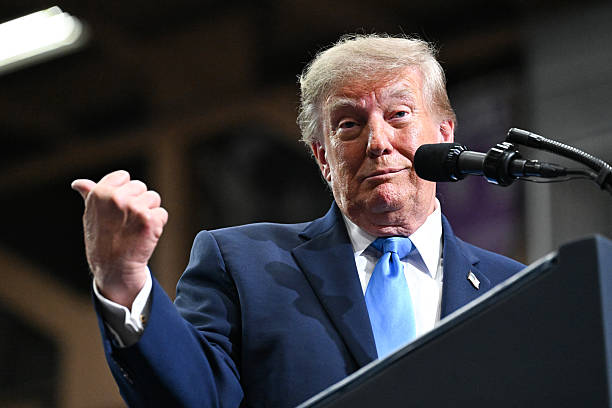
U.S. President Donald Trump purchased between $1 million and $5 million worth of SpaceX bonds just two days before announcing a policy initiative aimed at reducing regulatory barriers for commercial space transportation, according to newly released financial disclosure records.
The purchase has raised questions about potential conflicts of interest because SpaceX, the aerospace company led by billionaire Elon Musk, could benefit from the administration's efforts to accelerate commercial rocket launches and simplify licensing procedures. The White House maintains that Trump's investments are managed independently by third-party financial institutions.
Trump’s SpaceX Bond Purchase Revealed in Financial Filings
According to financial disclosure documents made public on Thursday, October 8, Trump purchased between $1,000,001 and $5 million in senior unsecured bonds issued by SpaceX on August 18, 2026.
The bonds are due in July 2031 and carry an interest rate of 5.35%, according to reporting on the filings.
The transaction was among 517 financial trades disclosed for August. Trump's other reported investments during the period included up to $25 million in Meta shares, up to $6 million in Microsoft stock and a smaller investment in Oracle.
Two days after the SpaceX bond purchase, on August 20, Trump signed a national security presidential memorandum intended to accelerate commercial space transportation in the United States.
The timing has drawn attention because the policy could benefit companies involved in commercial launches, including SpaceX.
The disclosure does not, by itself, establish that Trump purchased the bonds in anticipation of the policy announcement or that he personally directed the transaction.
New Policy Seeks More Than 1,000 Annual Space Launches
The August 20 memorandum established a goal of enabling more than 1,000 space launches and re-entries on American soil annually by 2030.
The initiative directs federal agencies to accelerate permitting and environmental reviews, encourage public-private investment in space infrastructure and identify additional locations for launch and re-entry operations.
The administration has argued that reducing unnecessary regulatory burdens would strengthen the United States' commercial space industry, improve access to space and support national security objectives.
The Federal Aviation Administration announced another set of proposed regulatory changes on October 6.
The proposals include allowing electronic submission of launch applications, combining certain safety analyses and giving commercial operators greater flexibility in demonstrating that their activities meet required safety standards.
The FAA says the changes are intended to make licensing more efficient while maintaining safety requirements. Public comments on the proposals are due by November 4, 2026.
SpaceX is a major participant in the American launch market, making changes to licensing procedures and launch infrastructure particularly relevant to its operations.
White House Says Trump Did Not Direct the Investment
The White House has rejected suggestions that Trump's investment activity creates a conflict of interest.
Spokesperson Davis Ingle said the president's stock and bond portfolio is managed independently by third-party financial institutions.
According to the White House, the holdings are maintained in discretionary accounts and invested through computer-based portfolios designed to replicate recognised market indexes.
Ingle said neither Trump nor members of his family could direct, influence or provide input on investment decisions or the timing of purchases and sales. He maintained that the decisions were made entirely by independent managers.
However, questions remain about the specific circumstances surrounding the SpaceX bond purchase.
Reporting on the disclosure noted that while bonds can be included in indexes, purchasing individual corporate bonds is not the usual way investors track an index.
The White House did not clarify whether the SpaceX transaction was generated by the type of automated investment strategy it described or identify who specifically decided to buy the bonds.
Ethics Experts Raise Conflict-of-Interest Concerns
The timing of the transaction has prompted criticism from ethics experts and political opponents.
Richard Painter, a former White House ethics lawyer during President George W. Bush's administration, questioned the decision to invest in securities issued by a company that could benefit from government policy changes.
Painter told CNN that the purchase created the appearance of a conflict of interest, while stopping short of alleging that the transaction was illegal.
Democratic Senator Elizabeth Warren also criticised the investment, arguing that the president's financial interests required greater scrutiny and calling for restrictions on stock ownership and trading by senior government officials.
The concerns extend beyond SpaceX. Trump's latest financial disclosure included hundreds of transactions involving companies whose commercial interests could be affected by federal decisions.
The central question is whether independent management of a president's portfolio provides sufficient protection when the administration is making policy decisions that may affect the value or financial prospects of companies represented in that portfolio.
The disclosure alone does not establish wrongdoing, and the White House says Trump has no control over the transactions.
SpaceX Has Major Commercial and Government Interests
SpaceX is one of the most important companies in the US commercial space sector. Its operations include rocket launches, the Starlink satellite internet network and development of the Starship spacecraft.
The company also has significant government-related business, including work connected to national space and security programmes.
The administration's push to increase launch frequency, speed up approvals and expand space transportation infrastructure could create opportunities for commercial launch providers.
SpaceX's position in the industry means it could be among the companies affected by these changes, although the regulatory proposals apply more broadly to commercial space operators.
Musk, SpaceX's chief executive, is also a prominent political ally of Trump. Their relationship has previously attracted attention because of Musk's involvement in government efficiency initiatives and SpaceX's commercial relationship with the federal government.
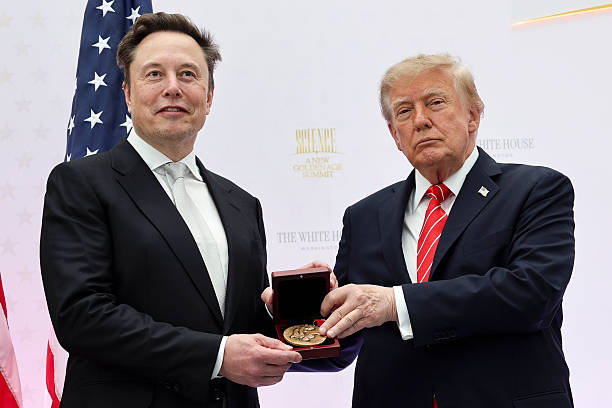
On October 8, Trump presented Musk with the National Medal of Science, adding to the attention surrounding the two men's business and political ties.
What Happens Next?
The disclosure is likely to intensify scrutiny of how Trump's financial portfolio is managed while his administration develops policies affecting major corporations.
The immediate issue is not whether the government should simplify commercial space regulations, but whether the safeguards surrounding the president's investments are sufficient to maintain public confidence in decisions that may benefit companies in which he holds financial interests.
The White House maintains that independent managers make all investment decisions and that Trump has no ability to influence the transactions.
For now, the financial filings establish the size and timing of the SpaceX bond purchase, while the available information does not establish that Trump personally directed the investment or bought the bonds in response to advance knowledge of the policy announcement.