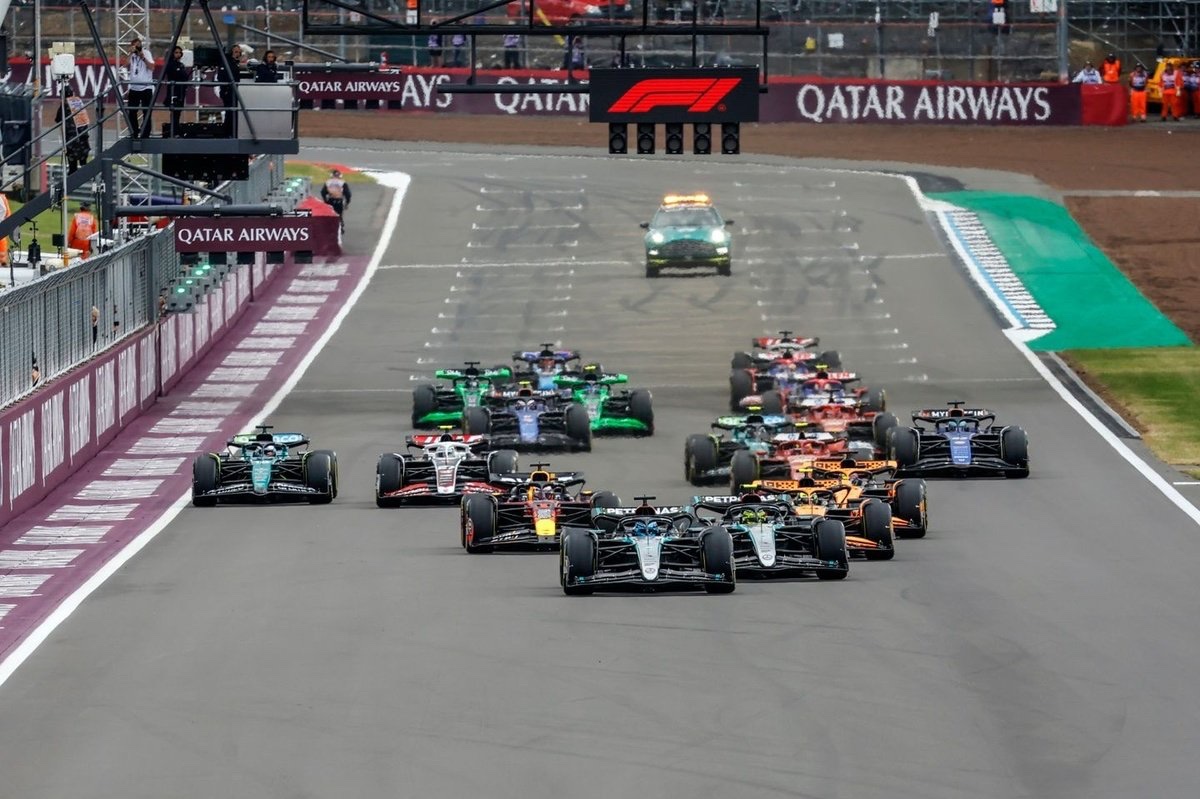
Rwanda is reportedly on course to host a Formula 1 Grand Prix in 2030, potentially bringing the world's premier motorsport championship back to Africa for the first time in 37 years.
An agreement has reportedly been reached between Formula 1 organisers and the Rwandan government, with an official announcement expected later in 2026. However, Formula 1 and Rwanda had not formally confirmed the agreement at the time of reporting.
The proposed race would mark a significant milestone for African motorsport, ending a decades-long absence from the Formula 1 calendar and giving Rwanda an opportunity to attract international visitors, investment and global attention.
Rwanda's Bid Gains Momentum
Rwanda has been pursuing a place on the Formula 1 calendar as part of its broader strategy to establish itself as an international destination for major sporting events.
President Paul Kagame formally announced the country's intention to bid for a Grand Prix in December 2024, when Kigali hosted an event organised by the sport's governing body, the Fédération Internationale de l'Automobile.
Since then, the government has continued discussions with Formula 1 representatives about the requirements for hosting a race.
Reports published in October 2026 indicate that Rwanda has made substantial progress, with multiple sources suggesting that a deal has been reached for a race in 2030. Qatar is also reportedly providing financial support for the project.
The proposed event would form part of Rwanda's efforts to use international sport to promote tourism, attract investment and raise its profile among global businesses.
New Circuit Planned Near Kigali
One of the biggest challenges facing Rwanda's bid is the absence of a circuit capable of hosting a Formula 1 Grand Prix.
Plans reportedly involve constructing a permanent racing facility near Bugesera International Airport, outside the capital, Kigali.
The proposed location would form part of a wider development strategy linking transport infrastructure, tourism facilities and commercial investment.
Building a Formula 1-standard circuit would require substantial investment and careful planning. Modern Grand Prix venues must meet stringent safety standards while providing facilities for teams, spectators, broadcasters and the thousands of personnel involved in organising a race weekend.
The circuit would also need to accommodate the logistical demands of transporting cars, equipment and personnel from around the world.
Although the reported 2030 target gives Rwanda several years to prepare, the venue's construction and readiness will be critical to determining whether the proposed race proceeds as planned.
Africa's Long Wait for Formula 1
Africa has been absent from the Formula 1 World Championship calendar since the 1993 South African Grand Prix.
That race took place at Kyalami, near Johannesburg, and was won by French driver Alain Prost.
Since then, Formula 1 has expanded into new markets across Asia, the Middle East and the Americas, while African countries have repeatedly explored opportunities to bring the championship back to the continent.
Rwanda's emergence as a leading candidate could finally bring those efforts closer to success.
The proposed return is particularly significant because Africa is the only major inhabited continent currently missing from Formula 1's established race calendar.
However, the 2030 target remains conditional on the reported agreement being formally confirmed and the necessary infrastructure being completed.
Lewis Hamilton Has Long Called for an African Grand Prix
Seven-time world champion Lewis Hamilton has repeatedly advocated for Formula 1 to return to Africa.
Hamilton has spoken about his African heritage and his desire to compete on the continent before ending his racing career.
He has also expressed enthusiasm for Rwanda's ambitions, describing the prospect of racing in Africa as an important opportunity for the sport.
Other drivers have welcomed the possibility of a Rwandan Grand Prix, reflecting broader interest in bringing Formula 1 back to a continent with a large and growing sports audience.
A race in Rwanda could provide a platform for African motorsport development and introduce more young fans to Formula 1.
It could also create opportunities for local businesses, tourism operators and hospitality providers if the event attracts significant international attendance.
Rwanda Hopes to Attract Tourism and Investment
The proposed Grand Prix forms part of Rwanda's broader investment in international sports partnerships.
The country has previously pursued sponsorship agreements with European football clubs, including Arsenal and Paris Saint-Germain, to promote its tourism industry.
Rwanda has also hosted major sporting events, including the 2025 UCI Road World Championships, and has developed partnerships connected to basketball.
Supporters of the Formula 1 bid argue that hosting a globally televised race could strengthen Rwanda's international visibility and attract new investment.
A Grand Prix typically brings together teams, sponsors, broadcasters, hospitality companies and spectators from numerous countries, creating opportunities beyond the race itself.
However, the economic benefits would depend on the event's overall costs, attendance, tourism spending and the ability to sustain the investment over multiple years.
The financial commitment required to construct and maintain a Formula 1 circuit means that the project will face scrutiny over its long-term value to the country.
Human Rights and Public Spending Concerns
Rwanda's bid has also attracted criticism from observers who question whether expensive international sporting events should be a government priority.
Critics have raised concerns about human rights, restrictions on political opposition and the allocation of public resources in a country where poverty remains a challenge.
The debate reflects a broader discussion surrounding major sporting events, particularly when governments invest heavily in facilities and sponsorships in pursuit of international recognition.
Supporters argue that these events can generate tourism, create business opportunities and improve a country's international profile. Critics counter that the economic benefits may not always justify the costs or reach the wider population.
The eventual impact of a Rwandan Grand Prix would therefore depend not only on whether the race takes place, but also on how its financial and economic benefits are distributed.
What Happens Next?
The next major step is an official announcement confirming the reported agreement between Rwanda and Formula 1.
The project must also progress from a proposed race to a fully developed venue that meets the championship's technical, safety and commercial requirements.
If the plans proceed successfully, the 2030 season could mark Formula 1's long-awaited return to Africa after more than three decades away.
For Rwanda, the potential Grand Prix represents an opportunity to establish itself as a major international sporting destination. For African motorsport fans, it offers the prospect of seeing the continent return to one of the world's most watched racing championships.
For now, however, the 2030 race remains a reported development rather than a formally confirmed addition to the Formula 1 calendar.