The United States has seized approximately $1 billion in cryptocurrency assets linked to Iran as the Trump administration intensifies efforts to disrupt Tehran's financial networks and restrict its ability to evade international sanctions.
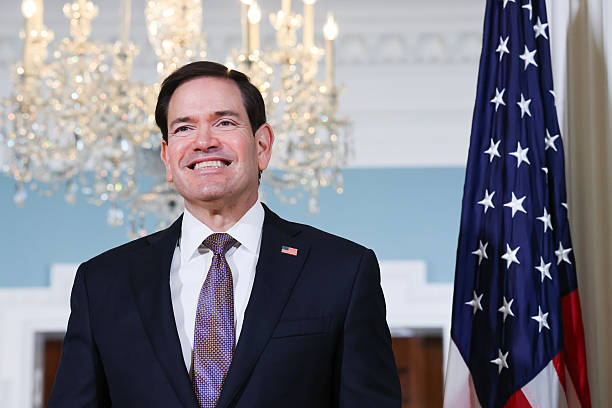
US Treasury Secretary Scott Bessent disclosed the scale of the seizures in May 2026, saying the government had taken control of cryptocurrency wallets associated with Iranian financial activities. The administration has since expanded its campaign against digital asset exchanges and networks accused of facilitating sanctions evasion.
The measures form part of Washington's broader strategy to restrict Iran's access to international financial channels, particularly those used to move revenue from oil sales and finance activities linked to the Iranian government and its military institutions.
US Targets Iran's Cryptocurrency Networks
The Trump administration has increasingly focused on cryptocurrency as part of its efforts to enforce sanctions against Iran.
US authorities allege that Iranian government-linked entities have used digital assets, cryptocurrency exchanges and networks of intermediary companies to transfer funds internationally while attempting to conceal the origin and destination of transactions.
In May, Bessent said Iran was believed to be moving between $400 million and $500 million monthly through activities connected to sanctions evasion. He said US authorities had seized approximately $1 billion in cryptocurrency assets.
The Treasury Department has also taken action against Iranian cryptocurrency exchanges and financial intermediaries accused of helping the government move money outside conventional banking channels.
In June, the department sanctioned Nobitex, Iran's largest cryptocurrency exchange, alongside three other Iranian digital asset exchanges. US officials alleged that the platforms had facilitated transactions connected to sanctions evasion and the Islamic Revolutionary Guard Corps (IRGC).
Washington Expands Pressure on Iran's Financial System
The cryptocurrency seizures are part of a wider economic campaign launched by the Trump administration to restrict Iran's access to international finance.
In August, the Treasury Department announced Operation Economic Outcast, an initiative designed to disrupt the financial networks supporting the Iranian government.
The campaign targets oil revenues, digital assets, shipping networks and other channels that Washington says Tehran uses to generate and transfer money despite US sanctions.
The administration has also warned foreign companies and financial institutions that helping Iran evade sanctions could expose them to restrictions on their access to the US financial system.
In September, the Treasury Department designated BitBank, a digital asset venture controlled by Iranian financier Babak Zanjani, and several associated individuals and companies.
US officials alleged that the network helped facilitate financial activities benefiting the Iranian government and its associated institutions.
US Authorities Pursue Cryptocurrency Linked to Iranian Oil Sales
American law enforcement agencies are also pursuing cryptocurrency allegedly generated through the sale of Iranian oil on black markets.
On September 14, the US Attorney's Office for the Southern District of New York announced a civil forfeiture complaint seeking approximately $61 million in cryptocurrency allegedly connected to black-market sales of sanctioned Iranian crude oil and petroleum products.
According to the complaint, intermediary companies used cryptocurrency accounts and digital wallets to transfer oil revenue through international networks. Authorities alleged that the system helped move money intended to benefit the Iranian government and military-linked entities.
The complaint described a wider network that had allegedly processed more than $1.5 billion in proceeds from illicit Iranian oil sales. The government is seeking forfeiture of the identified cryptocurrency assets.
A civil forfeiture complaint contains allegations that must be established through legal proceedings; its filing does not itself constitute a final judicial determination that the assets are subject to forfeiture.
Cryptocurrency Becomes a Focus of Sanctions Enforcement
Cryptocurrencies can facilitate international transfers without relying entirely on traditional banking systems. However, transactions recorded on public blockchains can also provide investigators with information that helps them trace funds between wallets and identify connections to exchanges and intermediary companies.
US authorities have increasingly used blockchain analysis, financial intelligence and cooperation with cryptocurrency platforms to investigate suspected sanctions violations.
Exchanges can freeze assets held on their platforms when legally required or when their compliance procedures permit such action. Cryptocurrency held in self-custody wallets presents different enforcement challenges because authorities may not have direct control over the wallets or their private keys.
The US campaign demonstrates that digital assets are increasingly part of international sanctions enforcement rather than a means of operating entirely beyond government scrutiny.
Iran Faces Intensifying Economic Pressure
The cryptocurrency seizures come amid a wider US effort to restrict Iran's oil exports and financial relationships.
On October 8, the Treasury Department announced additional sanctions targeting Iran's remaining shadow-fleet shipping network, which Washington says helps the country transport petroleum and generate revenue despite restrictions.
The administration's strategy combines financial restrictions, asset seizures, sanctions against intermediaries and measures intended to make international companies more reluctant to conduct business with Iranian entities.
Whether the campaign will achieve its broader political objectives remains uncertain. Its immediate purpose is to make it harder for Iran to access, transfer and use funds generated through activities that Washington considers unlawful or subject to sanctions.
For the cryptocurrency industry, the case highlights the growing importance of sanctions screening, transaction monitoring and cooperation with law enforcement.
The nearly $1 billion figure reflects cryptocurrency seizures reported earlier in 2026, while subsequent enforcement actions show that Washington's campaign against Iran's digital financial networks is continuing.