Diesel prices hit a record high in the UK as disruptions linked to the Iran and Ukraine conflicts squeeze global fuel supplies and raise costs for motorists, businesses and transport operators
Diesel prices in the United Kingdom have reached a record 199.18 pence per litre, surpassing the previous all-time high recorded in 2022 and intensifying pressure on households and businesses already facing higher transport costs.
The average diesel price reached 199.18p on Monday, September 28, according to figures compiled by the RAC. The new record exceeded the previous peak of 199.09p per litre, recorded in June 2022 following the energy-market shock that followed Russia's full-scale invasion of Ukraine.
The latest increase means diesel is now only marginally below the symbolic £2-per-litre threshold, with the RAC warning that prices could move above that level if global supply pressures persist.
By Tuesday, September 29, the average UK diesel price had risen further to 199.53p per litre, according to the Financial Times, putting the market even closer to £2 a litre.
The rapid increase is being driven by disruptions in international refined-fuel markets, particularly the effects of the war involving the United States, Israel and Iran, restrictions affecting the Strait of Hormuz and reduced Russian diesel exports.
Diesel rises sharply since the Iran conflict began
The latest price represents a substantial increase from the beginning of the year.
RAC figures show that diesel averaged 142.38p per litre on February 28, when the current US-Iran conflict began. At 199.18p, the September 28 average was therefore 56.8p higher, an increase of almost 40%.
The increase has occurred despite fluctuations in the wider oil market because diesel prices are influenced not only by crude oil prices but also by the availability of refined products.
Diesel is particularly important to the UK economy because it powers a large proportion of commercial vehicles, trucks, vans, agricultural machinery and other equipment used to move goods.
The RAC said the consequences therefore extend beyond motorists.
Higher diesel prices increase the cost of transporting food, manufactured goods and other products, creating pressure that can eventually be reflected in consumer prices.
RAC head of policy Simon Williams said the record price would affect both households and businesses that regularly depend on diesel vehicles.
Filling a family car now costs almost £110
The increase is already visible to drivers at filling stations.
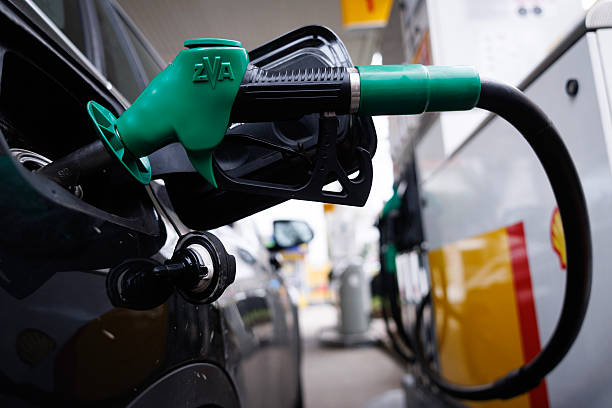
The RAC estimates that filling an average family car with diesel now costs almost £110, around £31 more than it did before the current US-Iran conflict began.
Petrol prices have also risen, although diesel has experienced the sharper increase.
The RAC put the average price of unleaded petrol at 174.13p per litre on September 28, approximately 41.3p higher than at the beginning of the conflict. Filling an average petrol-powered family car costs close to £96.
The figures demonstrate how quickly changes in international energy markets can reach British consumers.
Even when a disruption occurs thousands of miles from Britain, the country can be affected because it relies heavily on imported refined fuel.
UK depends heavily on imported diesel
Britain's exposure to international diesel markets is particularly significant because domestic refining capacity has declined.
Reuters reported that the UK currently has four working oil refineries, with combined crude-processing capacity of about one million barrels per day. That compares with six refineries and around 1.27 million barrels per day of capacity in 2024.
The country imports almost 55% of the diesel it consumes, according to the same Reuters report.
That dependence means supply disruptions elsewhere can have a direct effect on British wholesale prices.
Diesel imports accounted for almost 40% of Britain's total oil-product imports in 2025, while the United States was an important supplier.
The UK's reliance on imports has become particularly important as several major sources of global diesel supply have faced disruptions simultaneously.
Strait of Hormuz disruption adds pressure
One of the most important factors affecting global fuel markets is the disruption surrounding the Strait of Hormuz, a critical shipping route for oil and petroleum products.
The conflict involving the United States, Israel and Iran has disrupted energy flows through the region, reducing the availability of some refined petroleum products and increasing uncertainty among international buyers.
The disruption has forced fuel importers to compete more aggressively for supplies from alternative markets.
For countries such as the UK that rely significantly on imported diesel, that competition can translate into higher wholesale prices and, eventually, higher pump prices.
Reuters said international diesel prices have surged as global refining capacity has tightened while conflicts in the Middle East and Ukraine have disrupted supply.
Russian refinery attacks add another supply problem
The UK diesel market is also being affected by developments involving Russia.
Russian diesel exports have fallen sharply following attacks on oil-refining facilities by Ukraine.
Several Russian refineries have experienced disruptions, reducing the amount of refined fuel available for export at a time when other markets are already experiencing supply constraints.
That has increased pressure on alternative diesel suppliers.
Rather than relying on one source, international buyers have been forced to seek supplies from other major exporters, putting additional pressure on wholesale prices.
The combination of reduced Russian exports and Middle Eastern supply disruptions has therefore created a difficult environment for diesel importers.
Possible US diesel export restrictions create further uncertainty
Another concern for the UK market is the possibility of restrictions on US diesel exports.
The United States has become an important supplier to European fuel markets, including Britain.
US President Donald Trump has discussed the possibility of restricting diesel exports in an effort to reduce fuel costs for American consumers. Reuters reported that the prospect of such restrictions has added uncertainty to international diesel markets.
For Britain, any reduction in American diesel exports could create another supply challenge.
The UK would need to compete for replacement supplies from other exporting countries, potentially increasing wholesale costs.
The possibility has therefore become another factor being watched by fuel retailers and transport businesses.
Government faces pressure over fuel costs
The record diesel price has also increased pressure on the British government to consider measures that could reduce the burden on motorists.
Chancellor John Healey said he was concerned about rising petrol and diesel prices.
The government has already introduced a Fuel Finder service designed to help motorists locate cheaper fuel at nearby forecourts.
The RAC has called for measures including reductions in fuel duty or VAT to help reduce the impact of rising pump prices.
However, lower taxes would reduce the amount consumers pay at the pump without necessarily addressing the underlying international supply problem.
The RAC has argued that a sustained decline in oil prices, rather than a short-lived drop lasting only a few days, would be needed to produce meaningful reductions in pump prices.
Record prices could add to inflation pressure
The diesel surge comes at a difficult time for the UK economy because fuel costs affect much more than household transport budgets.
Diesel is widely used by haulage companies, delivery businesses, farmers, construction companies and other commercial operators.
When the cost of moving goods rises, businesses can face higher operating expenses.
Some of those costs may eventually be passed on through higher prices for goods and services.
Reuters noted that fuel prices are already contributing to inflationary pressure in the UK, with inflation having reached a five-month high in August.
The impact can therefore spread from petrol stations into supermarkets, logistics companies, manufacturing and other parts of the economy.
Transport industry faces growing costs
The road-haulage industry is particularly exposed because heavy goods vehicles consume large quantities of diesel.
A prolonged period of high diesel prices can increase the cost of operating trucks and vans, potentially affecting freight rates and the price of moving goods around the country.
The Road Haulage Association has warned that rising fuel expenses are putting additional pressure on operators, with higher weekly costs threatening the financial position of some businesses.
For smaller operators, fuel can represent a significant portion of total operating costs.
If diesel prices remain close to or above £2 a litre, companies may face difficult decisions about whether to absorb higher costs, increase charges to customers or reduce other expenses.
Diesel could pass £2 per litre
The latest figures suggest that £2 per litre is no longer a distant possibility.
After reaching 199.18p on Monday, the average price moved to 199.53p on Tuesday, according to the Financial Times.
That leaves the UK average less than half a penny below £2.
The precise timing of any move above £2 will depend on wholesale diesel prices, crude oil prices, refinery output, international shipping conditions and developments in the Middle East and Russia.
The RAC has previously warned that prices could move beyond £2 if the global supply situation does not improve.
The previous record of 199.09p, reached in June 2022, was itself set during a major energy shock following Russia's invasion of Ukraine.
The current record therefore represents another milestone in a period of significant volatility for global fuel markets.
For British motorists, the immediate impact is straightforward: diesel is more expensive than at any point previously recorded.
For the wider economy, however, the consequences could extend much further if elevated prices persist.
With the UK dependent on imported diesel and global supplies being disrupted by geopolitical conflicts and reduced refining capacity, the direction of fuel prices will depend heavily on developments beyond Britain's borders.