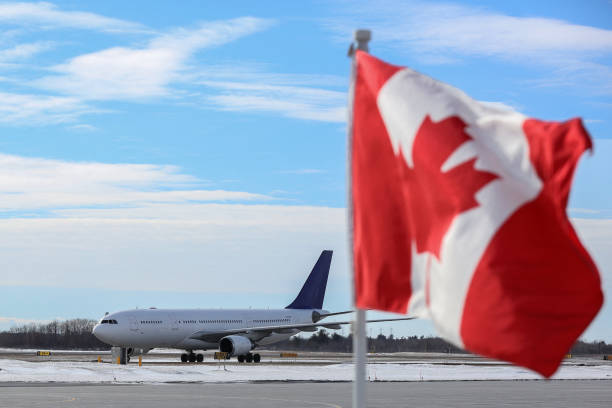
The Canadian government is in discussions with First Nations about potential participation in its plan to bring private investment into the country’s largest airports, Transport Minister Steven MacKinnon said Thursday.
MacKinnon confirmed that Ottawa has been in “fulsome discussions” with Indigenous communities as the government develops its proposed airport investment model, including talks with the Musqueam First Nation over Vancouver International Airport.
The discussions come after Prime Minister Mark Carney announced plans last month to allow private investors to take long-term operating concessions at Canada’s four largest airports: Toronto, Montreal, Vancouver and Calgary.
First Nations Could Participate as Investors
Under the proposed model, private entities — including pension funds and First Nations — could bid for long-term concessions to operate the airports.
The government would retain ownership and oversight of the airport assets, while private investors would take on broader responsibility for operations under long-term agreements.
MacKinnon said Ottawa has not yet decided which of the four airports would transition first.
However, Vancouver International Airport (YVR) has emerged as a leading candidate, with reports that the federal government is discussing potential participation with Musqueam.
The Musqueam's traditional territory includes the land on which YVR operates. The federal government and Musqueam already have an agreement under which the First Nation receives a share of federal ground-lease revenues from the airport.
Ottawa Promises Limits on Airport Fees
One of the major concerns surrounding the plan is whether private operators could increase airport charges and ultimately make air travel more expensive.
MacKinnon said the government intends to regulate airport fees through the concession agreements.
“We will regulate through contract,” MacKinnon told reporters at an aviation conference in Ottawa.
He said the agreements would include provisions for “fee moderation” to prevent unreasonable increases.
Airlines, however, want the government to establish the rules before investors submit bids.
WestJet CEO Alexis von Hoensbroech warned that private investors could have strong incentives to raise passenger and airline fees because airports operate as local monopolies.
Porter Airlines president Kevin Jackson also called for greater clarity on the regulatory framework before the bidding process begins.
Government Wants to Unlock Airport Investment
Ottawa has been exploring alternative models for airport investment for several years.
Transport Canada says the government wants to unlock the economic potential of Canada's airports and attract additional private capital while improving infrastructure and supporting long-term growth.
Canada's major airports are currently operated by airport authorities that are generally private, not-for-profit organizations, while the underlying airport land remains federally owned.
The government's proposed model would go further by allowing investors to take long-term operating concessions.
Reuters reported in September that Ottawa expects strong interest from Canadian pension funds, while foreign infrastructure investors are also expected to participate.
First Nations Participation Seen as Important
Indigenous participation could become a significant element of the government's strategy.
For First Nations, involvement in airport infrastructure could provide an opportunity to secure long-term economic benefits from major assets located on or connected to their traditional territories.
For Ottawa, Indigenous participation also forms part of its broader reconciliation agenda.
The government has said its airport reforms will advance in partnership with airport authorities, airlines and local communities.
At YVR, the relationship with Musqueam is particularly significant because the airport sits within the First Nation's unceded territory.
Airlines Warn of Higher Costs
While Ottawa argues that private investment could bring additional capital and improve airport infrastructure, airlines remain concerned about the potential impact on operating costs.
Australia is frequently cited in the debate. Private investment in Australian airports brought substantial infrastructure spending, but the country's competition regulator has also documented significant increases in airport charges.
Canadian airline executives say similar increases could eventually be passed on to passengers through higher ticket prices.
The International Air Transport Association has also warned that Canada already has one of the world's most expensive aviation markets because of the combination of airport charges, taxes and other costs.
No Final Privatization Decision Yet
Despite the government's increasingly detailed plans, Ottawa has not finalized the structure or selected which airport would be first.
Transport Canada says it is still examining alternative ownership and investment models, and official briefing material states that no final decisions have been made on privatization or governance changes.
The discussions with First Nations therefore represent part of a broader process that could determine how Canada's largest airports are financed and operated for decades.
For now, the government is attempting to balance three competing objectives: attracting large-scale private investment, maintaining public oversight and ensuring that any changes do not result in excessive costs for airlines and travellers.