The NDC presidential candidate said anyone found rigging an election would face imprisonment, even if the manipulation involved only one vote.
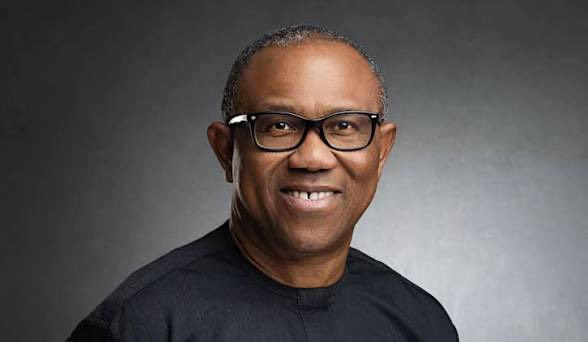
Presidential candidate of the Nigeria Democratic Congress (NDC), Peter Obi, has vowed that anyone who rigs an election under his administration would be jailed, saying the punishment would apply even if only one vote were manipulated.
Obi made the statement during an interview with ARISE NEWS on Thursday, September 24, 2026, while discussing electoral integrity, opposition politics and his approach to democratic governance ahead of Nigeria’s 2027 general elections.
“If I am the serving president of this country, whoever rigs the election will be in jail. Even for one vote, you will be in jail.”
The statement was made in response to questions about how an Obi administration would treat opposition politicians and political parties, particularly in states controlled by politicians from rival parties.
Obi Says Opposition Parties Would Not Be Harassed
Alongside his warning against electoral malpractice, Obi said an administration led by him would not use government institutions to harass opposition parties.
He said opposition politicians would instead be involved in discussions and decisions concerning issues of national importance.
“No political party will be harassed; we will support them,” Obi said, according to reports of the interview.
The former Anambra State governor said that when important decisions affecting states or the country had to be made, his administration would involve opposition parties.
He also said opposition representatives would remain involved in government discussions even when he was travelling outside Nigeria.
“It’s a country, everyone is involved, and I want to involve everybody,” he said, according to Punch.
Obi's comments therefore placed two issues together: a stated zero-tolerance position on electoral manipulation and a pledge to allow opposition parties to participate in political and governmental processes.
Campaign Access and Opposition Politics
During the interview, Obi also spoke about what he described as restrictions on his campaign activities in some parts of the country.
He argued that political candidates should be allowed to campaign freely regardless of the political party controlling a particular state.
Obi referred to his experience as governor of Anambra State, recalling occasions when politicians from opposing parties visited the state to campaign.
He cited former Lagos State Governor Babatunde Fashola as one example, saying he provided his official vehicle for Fashola's campaign activities when Fashola visited Anambra. He also recalled accompanying former President Olusegun Obasanjo during a campaign visit to the state.
Obi said such interactions were part of allowing voters to hear competing political positions and make their own choices.
Obi's Position Comes Ahead of 2027 Elections
The comments come as political parties and candidates prepare for Nigeria's 2027 general elections.
Obi, who contested the 2023 presidential election under the Labour Party, is now the presidential candidate of the NDC. Recent reports indicate that the party has begun preparations for its presidential campaign structure and the mobilisation of election agents ahead of the polls.
The NDC has also given Obi and his running mate, Rabiu Kwankwaso, latitude to nominate officials for the party's Presidential Campaign Council.
Obi has repeatedly made electoral integrity part of his political messaging ahead of 2027. Earlier in September, he said he was prepared to protect his votes in the next election, while urging supporters to participate in the democratic process.
He has also called for political campaigns to focus on issues affecting Nigerians rather than unrealistic promises. During an NDC town hall meeting in Kaduna, he said campaign agendas should be driven by citizens' demands.
What Obi's Statement Means
Obi's latest statement is a political pledge rather than a change to Nigeria's existing electoral law.
His reference to jailing election riggers describes what he says his administration would do if he becomes president. Any prosecution and imprisonment for electoral offences would still have to operate through the country's legal and judicial institutions.
The statement also does not identify a specific proposed law or new punishment. Instead, Obi used the prospect of imprisonment to underline his stated position that electoral manipulation should have consequences.
His emphasis that even one manipulated vote would attract punishment was intended to illustrate the strictness of the position he was outlining.
At the same time, his comments about opposition parties form part of a broader pledge that political competition would continue under his proposed administration without harassment of rival parties.
Electoral Integrity Remains a Major Issue
Election-related disputes, allegations of malpractice and concerns about the conduct of political actors have remained recurring issues in Nigerian politics.
For the 2027 elections, the effectiveness of any commitment to electoral integrity would depend on institutions responsible for conducting, policing and adjudicating elections, as well as compliance with electoral laws.
Obi's latest comments therefore set out his stated political position: that electoral manipulation should be prosecuted while opposition parties should remain free to operate and participate in national affairs.
The 2027 election campaign is still developing, and the statement represents Obi's position as a presidential candidate rather than an established government policy.