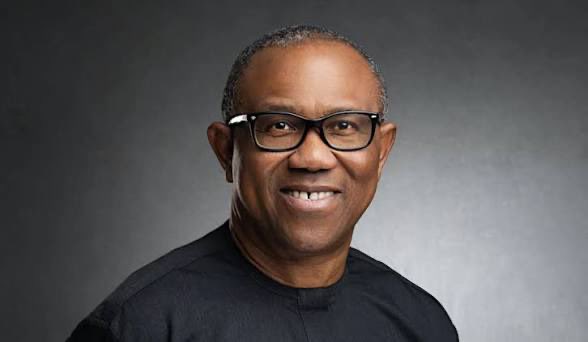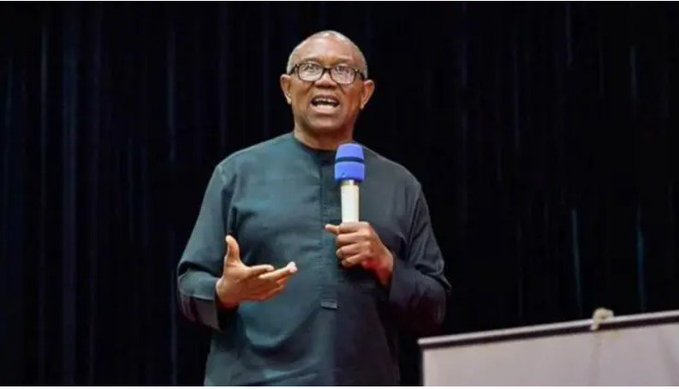
Presidential candidate of the Nigeria Democratic Congress (NDC), Peter Obi, has described Nigeria as “the worst place to be born,” citing persistent poverty, insecurity, hunger, unemployment and poor social indicators.
Obi made the statement in his Independence Day address on Thursday, October 1, 2026, as Nigeria marked its 66th anniversary of independence.
The former Anambra State governor used the anniversary to assess the country’s current condition, arguing that Nigeria’s enormous natural and human resources had not translated into improved living conditions for millions of citizens.
He also criticised the All Progressives Congress (APC)-led Federal Government over what he described as worsening conditions across several sectors since the party came to power in 2023.
“Despite the enormous promises made by the APC-led government in 2023, our nation continues to face deepening challenges across virtually every critical sector of national life,” Obi said in his address.
Obi Highlights Poverty and Hardship
Obi identified poverty and severe economic hardship among the major challenges confronting Nigerians.
According to figures cited in his Independence Day address, more than 140 million Nigerians are living in poverty and severe hardship.
He presented the figure as part of a broader argument that economic growth and Nigeria’s considerable resources have not translated sufficiently into improved living standards.
“Today we stand before the world as a nation with an extraordinarily large population living in poverty and severe hardship; over 140M,” Obi stated.
The poverty figure formed part of Obi’s wider assessment of Nigeria at 66, as he urged Nigerians to look beyond Independence Day celebrations and examine the country’s progress in areas including education, security, healthcare, employment and food security.
Obi Cites Out-of-School Children
Education was another major concern raised in the former governor’s address.
Obi said Nigeria has one of the largest populations of out-of-school children in the world, putting the figure at more than 18 million in the published text of his address.
The figure is important because the version of the report supplied for this story stated that Obi referred to more than 80 million out-of-school children. However, the published text of Obi’s Independence Day address records the figure as over 18 million.
The education challenge, Obi argued, has implications for Nigeria’s future workforce and human development.
He has repeatedly made education, human capital development and investment in young Nigerians central themes of his political messaging.
Insecurity and Deaths of Young Nigerians
Obi also drew attention to insecurity, including terrorism, banditry and kidnapping.
In his assessment of the country, he said insecurity continues to threaten lives and livelihoods across Nigeria.
He specifically referred to the recent deaths of 37 young Nigerians of working age, describing the incident as another indication of the human cost of insecurity.
“Where insecurity, terrorism, banditry and kidnapping continue to threaten lives and livelihoods, just recently 37 young Nigerians in their productive age lost their lives,” he said.
The statement comes amid continuing political debate over the government's handling of insecurity and the effectiveness of measures aimed at protecting communities and reducing attacks.
Food Insecurity Remains a Major Concern
Obi also raised concerns about hunger and food insecurity.
He said more than 40 million Nigerians could face extreme hunger by the end of 2026, citing food-related assessments in his speech.
“Where millions of Nigerians struggle with hunger and food insecurity; over 40M Nigerians will be in extreme hunger by the end of 2026,” he stated.
The claim was presented by Obi as part of a wider picture of economic hardship facing households.
Food prices and the cost of living have remained significant issues in Nigeria's political conversation, particularly following major economic reforms introduced by the Tinubu administration.
Obi's comments therefore placed food security alongside poverty, unemployment and insecurity as issues requiring attention.
Concern Over Infant and Maternal Mortality
The NDC presidential candidate also highlighted Nigeria's infant and maternal mortality figures.
He described the country's rates as unacceptably high and linked the situation to the broader state of healthcare and social development.
It was in this context that Obi made his most striking assessment of the country's current condition.
“With unacceptably high rates of infant and maternal mortality; Nigeria today is the worst place to be born,” he said.
The statement was therefore presented as Obi's political assessment of the conditions surrounding birth and early life in Nigeria rather than as a formal international ranking.
Youth Unemployment and Drug Abuse
Obi further drew attention to unemployment and underemployment among young Nigerians.
He put the number of affected young people at more than 35 million and described youth unemployment and underemployment as major concerns.
“Where youth unemployment and underemployment remain alarmingly high; over 35M,” he said in the address.
He also raised concerns about drug abuse and substance misuse among young people.
According to figures cited in the speech, drug abuse and substance misuse had reached 14 per cent, compared with a global average of 6 per cent. Obi also cited life expectancy of 54 years in Nigeria against a global average of 74 years.
These figures were presented by Obi as evidence of the broader social and human-development challenges facing the country.
Obi Says Nigeria Is Not Cursed
Despite his criticism, Obi said Nigeria's problems should not be interpreted as evidence that the country is inherently doomed.
Instead, he argued that the country's difficulties were connected to how its resources had been managed and converted into human development.
He asked whether Nigerians should consider the country “cursed” or examine the choices and failures that had contributed to its current situation.
Obi said Nigeria remains richly endowed with human and natural resources and argued that the country's central challenge is converting those resources into productivity, security and improved living standards.
“Our greatest problem is not a lack of resources; it is the failure to convert our enormous resources into human development, productivity, security and shared prosperity,” he said.
Comments Come as Tinubu Declares Nigeria Has Turned a Corner
Obi's assessment came on the same Independence Day that President Bola Tinubu delivered his national address.
While Obi focused on the difficulties still confronting Nigerians, Tinubu presented a more positive assessment of the country's economic trajectory.
The president said the government had moved beyond the emergency phase of its economic reforms and was entering what he described as an “age of prosperity.”
“The emergency treatment is over. The foundation has been repaired,” Tinubu said, adding that the country's focus had shifted towards achieving “shared and widespread prosperity.”
Tinubu also said Nigeria had “corrected its course” and urged citizens not to look back.
The contrasting messages from the president and an opposition presidential candidate underscore the different assessments of Nigeria's current economic and social conditions as political activity ahead of the 2027 general elections continues.
2027 Politics Takes Shape
Obi's Independence Day address comes as political parties and presidential candidates begin positioning themselves ahead of the 2027 election.
His message focused heavily on poverty, insecurity, education, healthcare, food security, employment and the country's broader human-development indicators.
Rather than limiting his remarks to criticism of the current administration, Obi also framed the Independence Day anniversary as an opportunity for Nigerians to consider where the country is, where it wants to go and how it can get there.
He said serious national planning requires answers to three fundamental questions: where Nigeria is today, where it wants to be and how it intends to get there.
For Obi, the country's 66th Independence anniversary therefore provided an opportunity for reflection on whether Nigeria is moving towards the future envisioned by its founding leaders.
His description of Nigeria as “the worst place to be born” was made in the context of the poverty, insecurity, hunger, unemployment and health challenges he listed in his address.
The remarks are likely to feature prominently in the political debate as the country moves closer to the 2027 general elections, particularly as parties present competing assessments of the government's record and proposals for Nigeria's future.