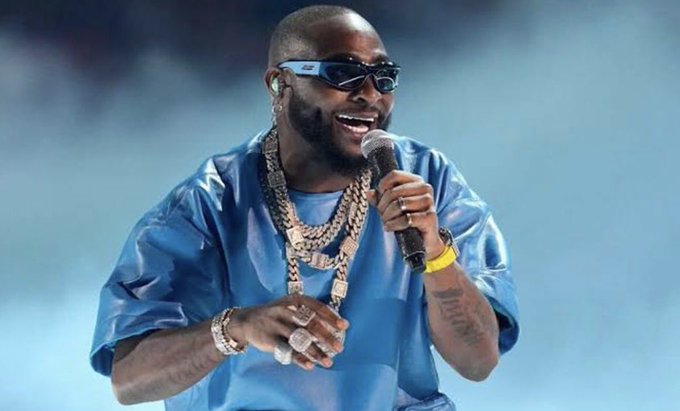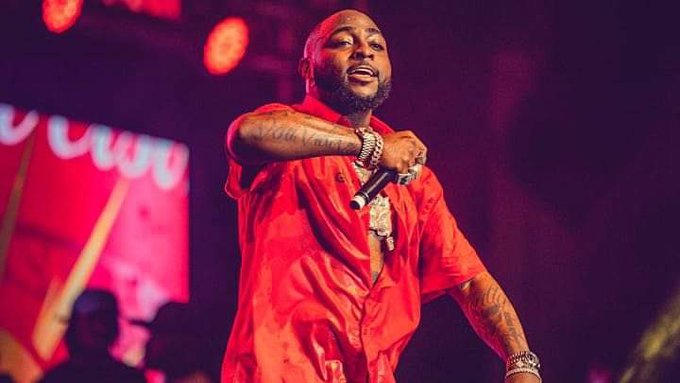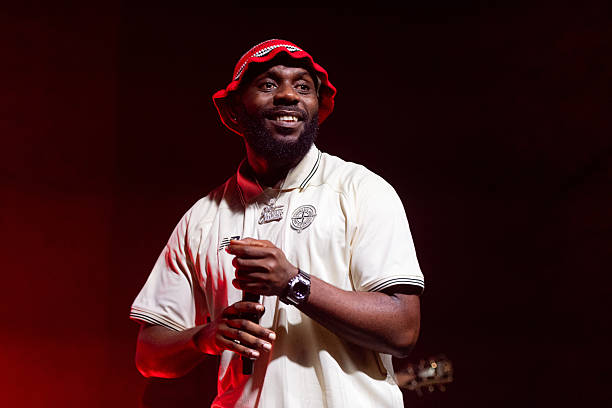
LAGOS, Nigeria — Tochukwu Ojogwu, better known to the world as Odumodublvck. Known for his gritty lyricism, "Okporoko" rhythms, and commanding stage presence, the Abuja-based rapper has become a cultural phenomenon. Yet, behind the bravado and the chart-topping hits lies a vulnerable human experience a profound sense of loss that even his meteoric success cannot soothe.
In a rare moment of introspection, Odumodublvck recently took to social media to share his only regret regarding his professional journey. While many might expect a rising star to regret missed opportunities, branding missteps, or the sacrifices required by the music industry, Odumodublvck pointed toward a much deeper, more personal pain: the absence of his late father.
A Success Defined by Absence
For Odumodublvck, music was not his first dream. He has frequently spoken in interviews about his initial ambitions to become a professional footballer a career path that promised glory but ultimately proved elusive. It was in the pivot to music that he found his true calling, eventually leading him to win the coveted "Next Rated" award at the 17th Headies and solidifying his place as a leading voice in modern African hip-hop.
However, the financial rewards and global recognition that accompany this status have brought into sharp focus the one person who cannot witness it. Taking to his official account on X (formerly Twitter), the rapper shared a poignant message that resonated with fans across the continent.
“The only thing wey I regret for this life of music na say my papa no dey alive to chop my money,” the rapper wrote in a mix of Pidgin and English. He went on to describe the specific pain of knowing that the fruits of his labor cannot be shared with the man who raised him. “Imagine under this hot sun I just wire am 10 million just for flex. E pain me die. E over pain me.”
The "10 million" figure a symbolic representation of the wealth he has accumulated through his talent served as a stark reminder that while he can now provide for his family, the most important beneficiary is unreachable.
The Complexity of Grief in the Public Eye
Grief is an isolating experience, often made more complex when it is lived in the public eye. Odumodublvck has been open about the fact that he is still processing the loss of his father years after the event. His admission of pain is a reminder that the "hustle" mentality so prevalent in the Nigerian music industry does not grant immunity to emotional suffering.
For fans, the rapper's candidness offers a humanizing glimpse into his persona. While he is often projected as a figure of strength and unshakeable confidence, his admission showcases the reality that success does not erase the past. His struggle to reconcile his professional achievements with his personal loss is a sentiment shared by many who have managed to "make it" only to find that their biggest supporters are no longer present to celebrate the milestone.
The Role of Family and the "Next Rated" Milestone
Despite the void left by his father’s passing, Odumodublvck has been careful to honor the maternal side of his support system. He has frequently emphasized the influence his parents had on his life, ensuring that his growth is grounded in the values he was taught at home.
One of the most touching moments in his career occurred at the 17th Headies, where he famously arrived accompanied by his mother. It was a gesture that spoke volumes; by bringing his mother to one of the biggest stages in African music, he acknowledged that his success is a communal achievement. It served as a bridge between his humble beginnings and his current status, ensuring that his mother remained at the heart of his victory.
This balance between honoring the dead and cherishing the living has become a hallmark of Odumodublvck’s brand. He is a rapper who wears his heritage, his neighborhood (Abuja), and his family history on his sleeve. His vulnerability regarding his father’s death does not weaken his image; rather, it makes his narrative more compelling, proving that his music is fueled by real-world emotions rather than manufactured storylines.
The Cultural Context of "Chopping Money"
In Nigerian culture, the concept of "chopping money" goes beyond mere financial support. It represents a validation of a child's success a way to honor the sacrifices made by parents who invested time, energy, and resources into their children's futures. To "wire" one's parents money is a cultural rite of passage, a declaration that the child has successfully stepped into the role of provider.
By expressing regret that he cannot perform this act for his father, Odumodublvck is tapping into a deeply ingrained cultural value system. It is not just about the money; it is about the inability to offer the ultimate "thank you" to the man who laid the foundation for his current life. The rapper’s pain is a testament to the enduring bond between generations, illustrating that no amount of industry success can compensate for the absence of familial closure.
A Legacy of Authenticity
Odumodublvck’s revelation adds another layer to his legacy. In an industry where artists often compete to project an image of invincibility, the "Declan Rice" singer continues to differentiate himself through raw honesty. Whether he is discussing his failed football career, his struggles with the music industry, or the depths of his personal grief, he maintains a level of transparency that is rare in the entertainment sector.
His music remains a reflection of his reality. By sharing his grief, he allows his audience to connect with him not just as a star, but as a person. It is this authenticity that has endeared him to millions, creating a fanbase that supports him not just for his beats, but for his humanity.
Looking Ahead: The Weight of the Crown
As Odumodublvck continues to dominate the charts, his story remains one of resilience and reflection. His regret regarding his father is a reminder to his fans particularly his younger listeners to treasure their parents while they are still present.
For the rapper, the journey continues. He will undoubtedly keep climbing to new heights, collecting more awards, and breaking more records. However, the absence of his father will remain a constant companion, a quiet shadow cast across the bright lights of fame. It is a powerful narrative of ambition met with the limitations of time, one that reminds us that beneath every celebrity profile is a story of love, loss, and the eternal desire to make those we’ve lost proud.
How does Odumodublvck’s transparency about his personal struggles and family life distinguish him from his peers in the competitive Nigerian music industry?
Share Your Thoughts Via Comments