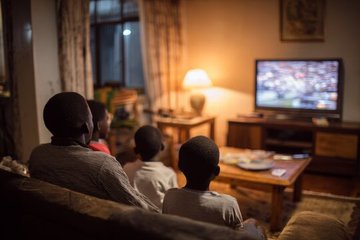
ABUJA — The Federal Government officially inaugurated "FreeTV" on June 17, 2026. This launch signifies the most definitive step yet in Nigeria's long-anticipated transition from archaic analogue broadcasting to a modern, high-definition digital ecosystem. By providing millions of households with access to premium, free-to-air television services, FreeTV is set to democratize information, education, and entertainment across the nation—from the bustling streets of Lagos to the most remote rural communities in the North.
A Cornerstone of Digital Inclusion
The FreeTV platform is the engine room of Nigeria's Digital Switch-Over (DSO) programme. The initiative was born from the realization that true digital inclusion requires more than just high-speed internet; it requires universal access to reliable, high-quality broadcast information. To achieve this, the government has adopted a sophisticated, hybrid delivery architecture that ensures no household is left behind.
By integrating satellite transmission through the Nigerian Communications Satellite (NIGCOMSAT) infrastructure with terrestrial signals and a dedicated mobile application, the DSO ensures that even communities previously bypassed by earlier pilot phases can participate in the digital economy. This multi-platform approach is not just about signal strength; it is about resilience and reach, ensuring that even during extreme weather or in areas with limited ground infrastructure, the digital signal remains consistent.
Key Pillars of the FreeTV Platform
FreeTV is built on three foundational pillars that differentiate it from the commercial pay-TV models that have dominated the Nigerian market for decades:
-
Zero Subscription Costs: In an era of rising costs of living, the FreeTV model provides a massive relief to households. By being completely free-to-air, the platform removes the recurring financial burden of monthly subscription fees, ensuring that low-income families have equal access to world-class news, sports, and educational content.
-
Expansive, Culturally-Rich Content: The platform hosts over 100 channels. Crucially, the content strategy places a heavy emphasis on indigenous programming. Dedicated channels in Hausa, Yoruba, and Igbo ensure that the platform is not just a western-style media dump, but a reflection of Nigeria’s diverse cultural fabric.
-
Universal Compatibility: Accessibility is the bedrock of the initiative. Most existing television sets in Nigeria can connect to the service using standard DVB-T2 or DVB-S2 decoders. For households already owning compatible free-to-air hardware, the transition is virtually seamless, requiring little to no additional investment in equipment.
Catalyzing the Creative Economy
The DSO is not merely a broadcasting upgrade; it is a catalyst for Nigeria’s creative economy, often referred to as the "Nollywood" engine. To ensure that the platform is supplied with high-quality, homegrown content, the government has established six regional production hubs in Lagos, Abuja, Port Harcourt, Enugu, Kano, and Benin.
These hubs are designed to function as focal points for content development, technical training, and job creation. By decentralizing production, the initiative reduces the industry's reliance on centralized hubs, opening the door for young creatives, editors, sound engineers, and camera operators across the country to enter the broadcast value chain.
Furthermore, FreeTV integrates scientific audience measurement tools. For years, the Nigerian advertising market—valued at over N605 billion—has struggled with a lack of verifiable data. The DSO platform changes this by providing broadcasters and advertisers with real-time, granular data on viewership habits. This transparency is expected to unlock significant advertising revenue, creating a self-sustaining ecosystem that supports producers and broadcasters alike.
The Path to the Analogue Switch-Off (ASO)
The road to this launch was paved with years of planning, technical testing, and intense industry debate. The adoption of the hybrid DTT-satellite model was a hard-won consensus reached by broadcasters, signal distributors, and set-top box manufacturers. Government officials have emphasized that the DSO is a core component of the broader national digital infrastructure strategy, which includes the massive deployment of 90,000 kilometers of fibre-optic cable and the launch of new, advanced communications satellites.
While the service is now live, the transition is far from over. The Federal Government has set December 31, 2028, as the final deadline for the complete Analogue Switch-Off (ASO). This multi-year transition period is intentional—it provides local broadcasters the necessary time to fully migrate their operations and, more importantly, allows the Nigerian public ample time to adapt to the new digital broadcasting ecosystem.
A Modern, Inclusive Digital Economy
As Nigeria pushes forward with this vision, the FreeTV initiative stands as a testament to the country's commitment to building a competitive digital future. It is a rare example of a government intervention that simultaneously addresses social inequality through access and economic growth through the professionalization of the creative industry.
By December 2028, Nigeria will have moved into a new era where television is not a luxury, but a high-definition, high-utility public service. As the nation embraces the digital switch-over, the focus now shifts to sustained maintenance, local content growth, and ensuring that the reach of FreeTV continues to expand, bridging the digital divide one broadcast signal at a time.
For more information on how to check your set-top box compatibility or to find out when your region is scheduled for full digital migration, visit the official Nigeria DSO portal or contact the National Broadcasting Commission (NBC).