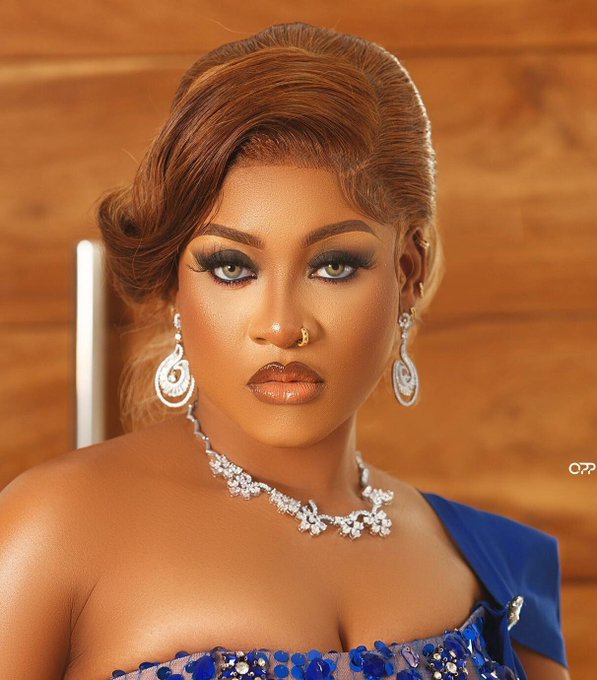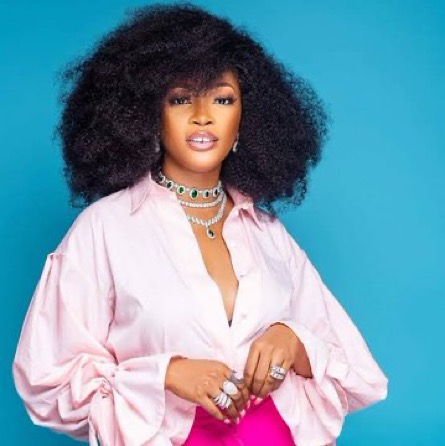
LAGOS, Nigeria — In the rapidly evolving landscape of Nigerian digital entertainment, few stars have managed to build a brand as recognizable and consistent as Bukunmi Adeaga-Ilori, widely known as Kiekie. As a multi-talented media personality, comedian, and fashion influencer, Kiekie has set a high bar for creative production. However, in a recent, candid podcast interview, she brought to light a facet of her career that is often overlooked in the rush for viral content: the strategic decision-making behind professional collaborations.
Kiekie sparked a conversation across the industry by openly declaring that she intentionally avoids collaborations with skit makers whose content relies heavily on vulgarity or excessive display of nudity. For a content creator whose influence spans corporate endorsements and family-friendly entertainment, this stance is not merely a matter of personal preference—it is a sophisticated approach to brand management and long-term sustainability.
The Foundation of Brand Alignment
During the interview, Kiekie was clear that her refusal to partner with certain creators is not rooted in a judgmental attitude toward their success or their work ethic. Rather, it is a calculated decision based on "brand alignment."
"I would never collaborate with any skit maker that is too vulgar. I will not be able to collaborate with them," she explained. When pressed by the interviewer to name specific individuals, Kiekie chose to keep the focus on the principle rather than the person, stating she has observed "a number of them" whose content style does not mesh with her own.
For Kiekie, the criteria for collaboration are simple: does the partner’s content reflect the values that her corporate sponsors and audience expect? "My inability to collaborate with you doesn’t mean that I look down on what you do or I don’t respect what you do, or I don’t see your hard work," she clarified. "I recognize your hard work, but we just don’t align. It will affect the way my own brands are approaching my own work."
The Business of Being "Brand-Safe"
In the world of influencer marketing, the concept of "brand safety" is paramount. Major corporate entities—ranging from telecommunications giants and beverage companies to financial institutions—often have strict guidelines regarding the type of content they wish to be associated with. These companies invest heavily in creators like Kiekie to reach a broad demographic, and they are wary of being linked to content that could be perceived as offensive, indecent, or polarizing.
Kiekie’s decision reflects an acute awareness of this corporate reality. By curating her network and maintaining a high standard of decency in her sketches, she ensures that her digital footprint remains "clean." This allows her to maintain long-standing relationships with high-profile brands that might otherwise walk away from an influencer who frequently appears alongside creators known for controversy or provocative themes.
Redefining Skit Comedy in Nigeria
The Nigerian skit-making industry has exploded in popularity, becoming a multi-billion naira sector. However, the rapid growth has created a divide in the market. On one hand, there is "guerilla-style" comedy that relies on shock value, suggestive language, and physical provocation to drive engagement numbers. On the other hand, there are creators like Kiekie who prioritize narrative, fashion, comedic timing, and relatability.
Kiekie’s stance serves as a reminder that "content" is not a monolith. Her refusal to engage in vulgarity is a business move that challenges the prevailing narrative that one must push boundaries of decency to achieve viral success. She has proven that it is possible to achieve widespread appeal and significant commercial success while operating within a self-imposed framework of professionalism.
The Ethics of Influence
Beyond the business aspect, Kiekie’s comments touch on a deeper discussion about the ethics of influence. Content creators in Nigeria command massive audiences, often including children and teenagers who look up to them as role models. By refusing to normalize overt vulgarity, Kiekie is exerting a form of responsible leadership within the industry.
Her focus on "breast and bumbum" culture—a common trope in some lower-tier comedic skits—highlights a critique of how some creators use objectification as a substitute for actual comedic talent. By steering clear of this, Kiekie effectively distances herself from the "shortcut to fame" culture. She advocates for a style of comedy that stands on its own merits, where the laughter is derived from the situation, the dialogue, and the creativity of the execution, rather than from shock tactics.
Navigating the Critic’s Lens
Kiekie’s public clarification is a masterclass in handling public perception. By framing her decision in professional rather than moralistic terms, she mitigates the risk of sounding elitist. She recognizes the effort and "hard work" that goes into every skit, acknowledging that while the industry is big enough for everyone, it is not a homogenous space where all styles are compatible.
Her professionalism also extends to how she handles the pressure of the industry. In an age where creators often feel the need to chase the latest viral trends, Kiekie remains focused on a long-term strategy. For her, the temporary spike in engagement that might come from a controversial collaboration is not worth the potential long-term damage to her reputation and her relationship with premium advertising partners.
The Future of Influencer Collaborations
As the digital economy in Nigeria continues to mature, we are likely to see more creators following Kiekie’s lead. Professionalism, brand vetting, and clear collaborative guidelines are becoming standard practice for top-tier influencers. This shift will likely lead to a more fragmented but sophisticated ecosystem, where brands have a clearer understanding of the "types" of creators they are hiring.
Kiekie’s interview is a significant contribution to this evolution. It serves as a blueprint for young, aspiring creators who wish to enter the industry with a focus on longevity. It underscores the idea that while you cannot control what the rest of the industry does, you can—and should—control who you associate with, what you stand for, and how you choose to monetize your talent.
Ultimately, Kiekie has affirmed that the most powerful tool in an entertainer's arsenal is their brand identity. By staying true to a clean, professional, and family-friendly image, she has not only secured her place at the top of the Nigerian entertainment hierarchy but has also set a standard for what it means to be a professional influencer in the 21st century. Her commitment to "brand alignment" is a reminder that in the crowded world of digital content, integrity is, and always will be, the ultimate currency.
Watch Video
Do you think Kiekie’s public stance on collaborations will influence other top-tier Nigerian influencers to be more selective about their brand partnerships?
Share Your Thought in The Comment