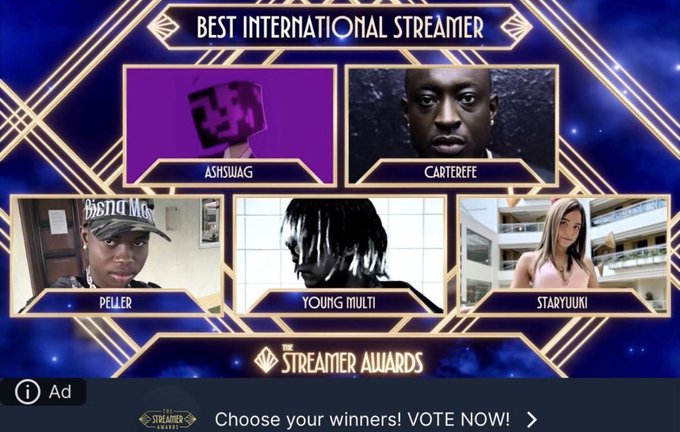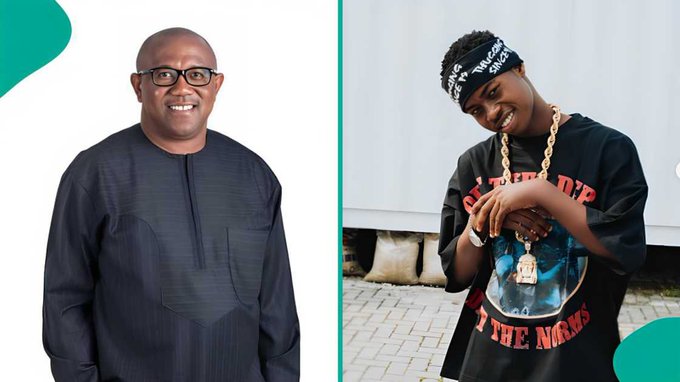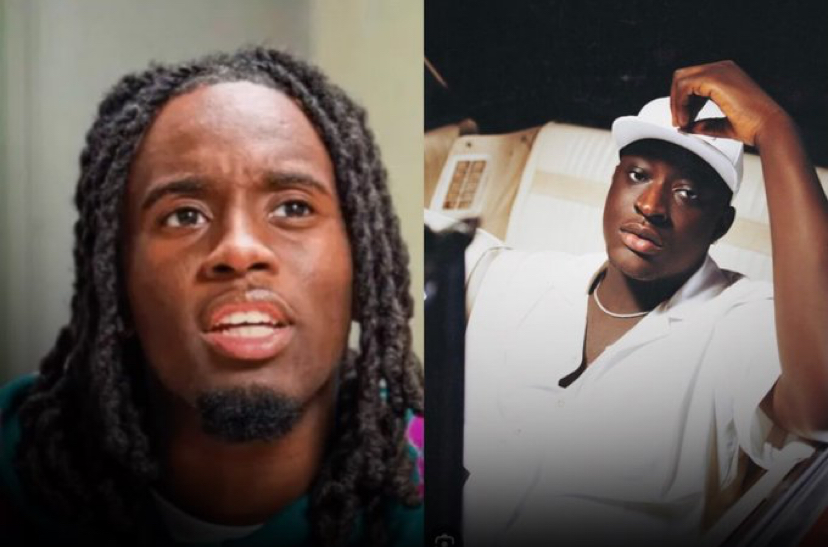
The global digital creator economy collided with the rigid realities of international immigration policy this week, sparking a broader conversation about the challenges facing African entertainers on the world stage. Popular American streaming megastar Kai Cenat has revealed that he personally intervened to assist Nigerian content creator and music artist Carter Efe in obtaining a United States visa, an effort that ultimately proved unsuccessful.
Speaking during a highly viewed livestream, Cenat disclosed that he had been working closely with Carter Efe to facilitate his travel arrangements ahead of a major industry event. The disclosure highlights the growing intersection between the mainstream American streaming ecosystem and the rapidly expanding West African digital entertainment sector, while simultaneously casting a spotlight on the bureaucratic hurdles that frequently stymie cross-continental collaborations.
The visa setback prevented the Nigerian creator from attending Streamer University, a highly anticipated, creator-focused global gathering designed to unite the world's most influential digital personalities, platform innovators, and streaming executives. While Cenat did not elaborate on the specific technical reasons behind the visa denial, subsequent confirmations from both Carter Efe and Afrobeats icon Davido have shed light on the structural difficulties African creatives face when attempting to secure international mobility.
Inside the Failed Visa Process and the "Support Letter"
The revelation began to unfold when Kai Cenat addressed his audience, casually noting the background administrative efforts he had made on behalf of his Nigerian counterpart. The American creator indicated that his support was not merely passive but involved direct operational backing to ensure that the Nigerian streaming community was represented at the international summit.
"Oh, also, I was trying to help Carter Efe get his visa," Kai Cenat stated during his broadcast. "I was working with him, but it wasn’t able to happen."
Shortly after Cenat’s stream gained traction across social media platforms, Carter Efe addressed the situation during his own live broadcast. The Nigerian content creator expressed deep appreciation for Cenat’s substantial efforts, revealing that the American streaming star had gone as far as issuing an exclusive, official letter of support designed to validate his standing and intentions to consular officers at the United States Embassy.
Despite possessing an institutional invitation from one of the world's top digital figures, the application was rejected. Carter Efe did not hide his profound disappointment regarding the outcome, lamenting the systemic barriers that often disadvantage Nigerian passport holders, irrespective of their professional achievements or international partnerships. He remarked to his audience that despite holding an exclusive letter to present at the embassy, the systemic limitations of the process ultimately left him stranded, preventing him from leveraging a career-defining opportunity.
Streamer University and the Global Creator Division
The timing of this visa denial is particularly significant given the current evolution of the global entertainment space. Streamer University has established itself as a premier incubator and networking hub where top-tier talent from various streaming platforms dissect industry trends, negotiate brand partnerships, and forge cross-platform collaborations. For an emerging digital market like Nigeria, having a prominent representative like Carter Efe participate could have opened vital commercial pathways for local creators.
The digital media landscape in West Africa has experienced exponential growth over the past few years, driven by a highly tech-savvy youth demographic and the global explosion of Afrobeats culture. Nigerian skit makers, streamers, and digital influencers command millions of viewers worldwide, yet their ability to monetize this attention on a global scale is routinely hampered by physical border restrictions.
When prominent creators from the Global South are denied access to international industry hubs, it reinforces a digital divide where Western creators maintain a monopoly over high-ticket brand sponsorships, physical networking events, and infrastructure development. The inability to travel freely prevents African creators from participating in live collaborative content, which remains one of the fastest vehicles for audience cross-pollination and international growth.
Immigration Realities and Davido's Intervention
The public discourse surrounding Carter Efe’s visa situation attracted the attention of prominent figures within the traditional Nigerian music industry, most notably international Afrobeats star Davido. Offering words of solidarity and encouragement, Davido reached out to the young creator, urging him to remain optimistic despite the setback.
Davido’s commentary added a layer of industry expertise to the conversation, as the Grammy-nominated singer noted that securing travel documentation to the United States and various European nations has become increasingly difficult under current international immigration regimes. The music icon emphasized that visa restrictions have tightened significantly across the board, affecting not just rising digital stars but established corporate professionals and artists across the continent.
Immigration experts note that young self-employed individuals in the digital space face a unique set of challenges during consular interviews. Traditional visa processes are often built on twentieth-century metrics of stability, requiring applicants to present conventional corporate employment letters, physical land assets, and long-standing local banking histories.
For a modern streamer or digital content creator whose income is derived from decentralized platforms, algorithmic payouts, and virtual brand endorsements, satisfying these traditional consular requirements can be remarkably difficult. Consular officers often struggle to quantify the legitimacy and permanence of a streaming career, leading to high rejection rates among young, wealthy digital entrepreneurs from developing nations.
The Resilient Trajectory of Carter Efe's Brand
Despite missing out on the physical networking opportunities presented by Streamer University, industry insiders believe that Carter Efe's brand trajectory remains strong. Born Abiola Ahmed Akinbiyi, the creator initially achieved widespread fame through viral comedic skits before successfully transitioning into music production and performance. His hit single "Machala" served as a cultural anthem that consolidated his position as a versatile entertainer capable of bridging the gap between digital comedy and mainstream music.
The fact that a global figure of Kai Cenat's caliber actively attempted to sponsor and support Carter Efe's entry into the American media landscape is proof of the growing international recognition of Nigerian content creators. This cross-border alliance indicates that international stars are increasingly recognizing the strategic value of partnering with African creators to tap into the continent's vibrant and highly engaged audience base.
The digital entertainment community in Nigeria has responded to the development by advocating for more localized infrastructure. Many commentators argue that if international travel remains an obstacle, African creators must focus on building powerful, self-sustaining regional networks, localized streaming events, and domestic monetization models that reduce dependency on Western-centric physical summits.
As the digital creator economy continues to mature, the collaboration between international stars like Kai Cenat and domestic powerhouses like Carter Efe will likely continue to expand, finding alternative virtual spaces or regional hubs that do not require navigating stringent visa processes. While the physical doors of Streamer University remained closed to Carter Efe this season, the incident has highlighted the structural challenges facing the industry, paving the way for a more serious examination of how international digital entertainment can become truly global.