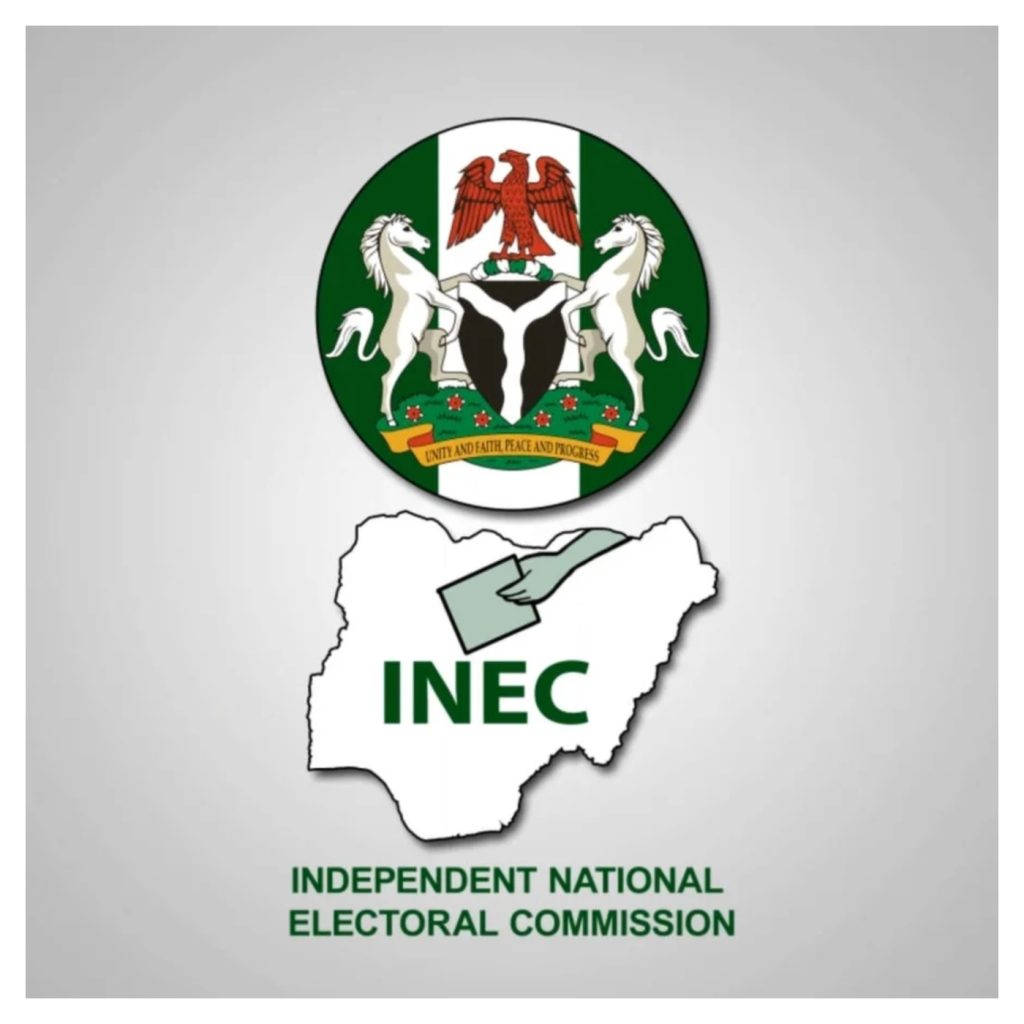
ABUJA, Nigeria — The integrity of Nigeria’s digital electoral infrastructure faced a fresh challenge this week as the Independent National Electoral Commission (INEC) issued a firm, public denial regarding claims that an unauthorized faction of the African Democratic Congress (ADC) had successfully bypassed the commission’s official candidate nomination portal.
The controversy erupted following widespread social media reports and claims circulated by a factional leader within the ADC, Nafiu Bala. The group alleged that they had gained the necessary access codes to the commission's secure portal and had successfully uploaded their list of candidates for the upcoming 2027 general elections. For a party already embroiled in internal instability, the claim was intended to signal a breakthrough in their quest for legitimacy.
However, INEC has moved quickly to shut down these narratives, citing both administrative protocols and official records. Victoria Eta-Messi, INEC’s Director of Voter Education and Publicity, dismissed the claims unequivocally, stating, "It is not true."
The Importance of Authentication in Digital Electoral Security
The denial by INEC is not merely a clarification of a single political party's status; it underscores the rigidity of the commission's digital security framework. As INEC transitions further toward digital processes for candidate nominations, the security of these portals has become a matter of national importance.
Under the current guidelines, the nomination portal is a restricted environment. Access is granted only through highly secure, encrypted authentication credentials issued exclusively to the National Chairman and National Secretary of political parties recognized by the commission. By clarifying that Nafiu Bala is not recognized as the ADC National Chairman, INEC has sent a clear signal: digital access to the electoral process is tethered to legal recognition.
For the Nigerian electorate, this is a vital reassurance. It demonstrates that the commission’s candidate upload process is resilient against factional maneuvering. It effectively nullifies "backdoor" attempts by splinter groups to force their way onto the ballot by bypassing the established, recognized party leadership.
The ADC’s Deepening Internal Conflict
The portal controversy is a symptom of a much deeper, systemic leadership crisis that has gripped the ADC for nearly a year. The party, which once positioned itself as a "third force" and a coalition of reformist voices in Nigerian politics, is currently fragmented.
The core of the dispute lies in the legitimacy of the National Working Committee (NWC). While a faction led by Senator David Mark as National Chairman and Ogbeni Rauf Aregbesola as National Secretary currently holds INEC's recognition, they are facing persistent legal challenges from rival groups. This dispute has led to a series of court injunctions and counter-injunctions, creating a volatile environment where the party’s very identity is being contested in the judicial system.
Observers of Nigerian politics note that leadership crises are becoming a growing distraction for the electoral commission. INEC Chairman Prof. Joash Amupitan has recently voiced concerns that these internal party conflicts consume significant time and resources, detracting from the commission's overall preparedness for the 2027 general elections. When parties are forced to spend their time in courtrooms rather than on grassroots mobilization, the democratic process suffers.
Legal and Constitutional Hurdles
The legal hurdles facing the ADC are indicative of the wider challenges of party management under the 2022 Electoral Act. In recent months, the courts have been forced to intervene repeatedly to determine who has the right to lead the party.
One of the central legal battles involved a challenge filed by Nafiu Bala Gombe, who claimed entitlement to the chairmanship following earlier resignations. The Federal High Court in Abuja has, at various times, issued interim orders that have complicated the commission's ability to maintain a static list of leadership, forcing INEC to navigate a landscape of conflicting judicial rulings.
This environment makes it difficult for any faction to effectively manage the party, let alone coordinate a nationwide campaign. For the ADC, the uncertainty has even led to reports of some members suggesting that the party may struggle to meet the strict performance thresholds required to maintain its registration as a political party under Nigerian law.
Implications for the 2027 General Elections
As the nation looks toward the 2027 electoral cycle, the ADC's struggle serves as a cautionary tale for other political organizations. The nomination of candidates is the most critical juncture in any party's election preparation. If a party cannot determine its own leadership, it cannot fulfill its primary constitutional mandate: presenting credible candidates to the Nigerian people.
The ADC situation highlights three major threats to democratic stability in the lead-up to 2027:
1. Voter Apathy: When voters see parties trapped in internal discord rather than presenting policy alternatives, confidence in the electoral system as a whole begins to wane.
2. Resource Depletion: Factionalized parties spend millions of naira on litigation that could have been used to fund grassroots outreach, policy development, or candidate support.
3. Judicial Overreach: While the courts are a necessary arbiter in leadership disputes, the frequency of judicial intervention in party management risks making the courts, rather than the electorate, the ultimate decider of political power.
Conclusion: The Path Forward for Stability
The Independent National Electoral Commission has made its position clear: legitimacy is defined by legal recognition and adherence to the Electoral Act. For the ADC, the path to participating effectively in the 2027 elections is not through social media claims or attempts to gain portal access via unauthorized factions. It is through settling internal disputes through the judicial system once and for all, or through reconciliation that complies with the party's own constitution.
For political stakeholders, journalists, and the public, the lesson from this episode is to treat unsubstantiated claims of "portal access" or "candidate uploads" with extreme caution. INEC’s official portal remains the only authoritative source of truth. As we approach the election season, the scrutiny on party legitimacy will only increase, and the commission is signaling that it is prepared to defend the integrity of its systems against all unauthorized interference.
The ADC must now decide whether it will continue to be defined by its internal divisions or whether it can resolve its leadership issues in time to participate meaningfully in the national discourse. Until then, the party’s ability to field a valid list of candidates rests entirely on its ability to present a unified and legally recognized leadership front to the electoral commission.
With the judiciary currently playing such a pivotal role in deciding party leadership in Nigeria, what long-term reforms would you suggest to reduce the frequency of these political disputes?
Share Your Views in The Comments