ABUJA — The Independent National Electoral Commission (INEC) has announced that it has yet to receive budgetary allocations for the conduct of the 2027 general elections. Despite this current shortfall, the Commission confirmed that preparations for the upcoming polls remain on track, as the delay does not yet violate the legal timeline established under the Electoral Act of 2026.
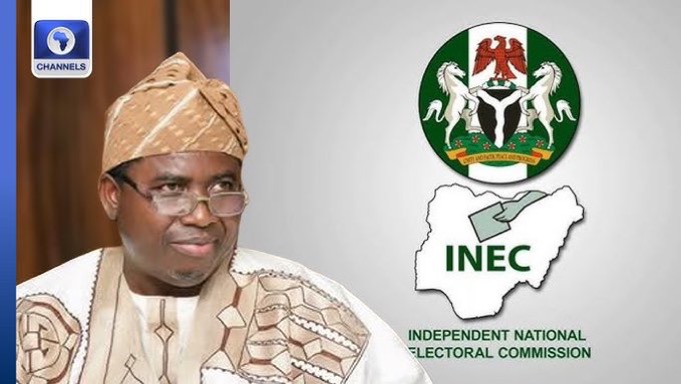
Malam Mohammed Haruna, the INEC National Commissioner for Voter Education and Publicity, disclosed this information on Thursday during a cross-sectorial interactive session held in Abuja. The event, organized by the Peering Advocacy and Advancement Centre in Africa in partnership with Legis360, brought together key electoral stakeholders to review recent administrative performance and outline the strategic roadmap for the 2027 electoral cycle.
Although the Commission is still awaiting the release of its proposed N873.78 billion budget, Haruna emphasized that the agency is operating within the legal provision that mandates the release of election funds at least six months before a general election. He noted that the commission is already initiating critical procurement processes, particularly for Bimodal Voter Accreditation System (BVAS) devices that were lost or damaged during previous cycles.
Read Also: INEC Officially Opens 38-Day Window for Political Party Primaries
To ensure technological readiness, Haruna revealed that the Commission has begun placing orders for essential hardware, with technical teams recently returning from international procurement engagements. The commission also intends to conduct mock presidential elections to stress-test technology deployment, aiming to eliminate technical glitches that occurred during the 2023 election cycle.
The session further addressed the operational strain caused by conflicting judicial orders. Haruna highlighted how last-minute court injunctions, often served within 48 hours of an election, force the Commission to rapidly reconfigure software and update physical election materials, leaving insufficient time for comprehensive system testing.
Addressing concerns regarding the cost of the election, Haruna argued that the proposed budget is justifiable when viewed through the lens of international standards. He maintained that an average cost of approximately six dollars per voter is reasonable for a country the size of Nigeria, especially considering that most electoral materials, including sensitive technology, must be imported.
On the issue of data integrity, the National Commissioner assured the public that the Commission maintains robust security protocols. He confirmed that an electoral officer accused of leaking sensitive data has been suspended and is currently under criminal investigation by the Nigeria Data Protection Commission and security agencies.
Ezenwa Nwagwu, the Executive Director of the Peering Advocacy and Advancement Centre in Africa, urged the federal government to prioritize early financial disbursements. He cautioned that delaying funds forces the Commission into an emergency planning mode, which can undermine the credibility of the process and create opportunities for systemic exploitation.