GENEVA — Following the announcement that the United States and Iran have reached a tentative agreement to end their months-long conflict, international leaders and organizations have begun weighing in on the deal. The accord, which aims to end the war and reopen the strategically vital Strait of Hormuz, is expected to be formally signed this Friday in Switzerland.
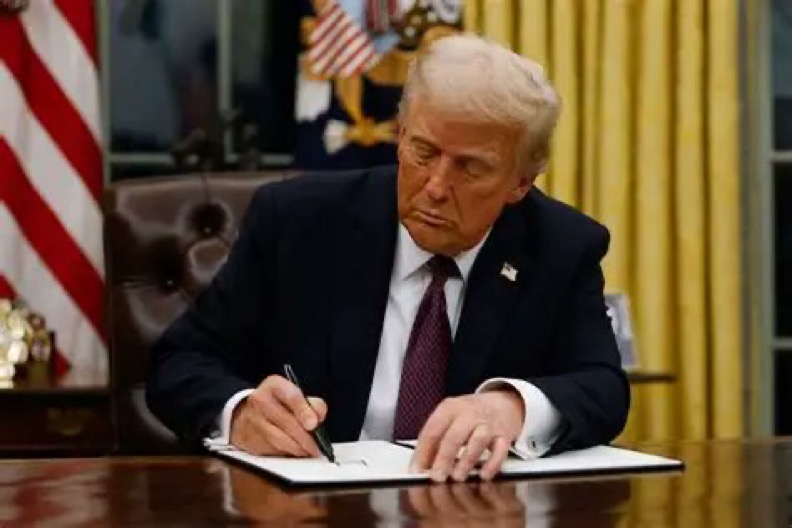
The agreement follows a period of intense hostilities that claimed thousands of lives and triggered a global energy crisis. U.S. President Donald Trump confirmed the deal via his Truth Social platform, stating, “The deal with the Islamic Republic of Iran is now complete. Ships of the world, start your engines. Let the oil flow!” Iranian Deputy Foreign Minister Kazem Gharibabadi indicated that a broader framework covering sanctions relief will be negotiated during a 60-day ceasefire.
International Perspectives
The agreement has drawn broad support from global actors who view it as a necessary path toward regional stability:
-
Mediators (Qatar & Pakistan): Pakistani Prime Minister Shehbaz Sharif, who brokered the talks, hailed the accord as a major breakthrough. Qatar’s Ministry of Foreign Affairs expressed appreciation for both sides’ commitment to peaceful negotiations, hoping it acts as a catalyst for long-term stability.
-
European Leaders: U.K. Prime Minister Keir Starmer and French President Emmanuel Macron emphasized the urgent need to restore toll-free freedom of navigation in the Strait of Hormuz. Prime Minister Starmer underscored that for the peace to endure, commitments regarding Iran’s nuclear program must be robust and verifiable. European Commission President Ursula von der Leyen highlighted the deal’s importance for the global economy.
-
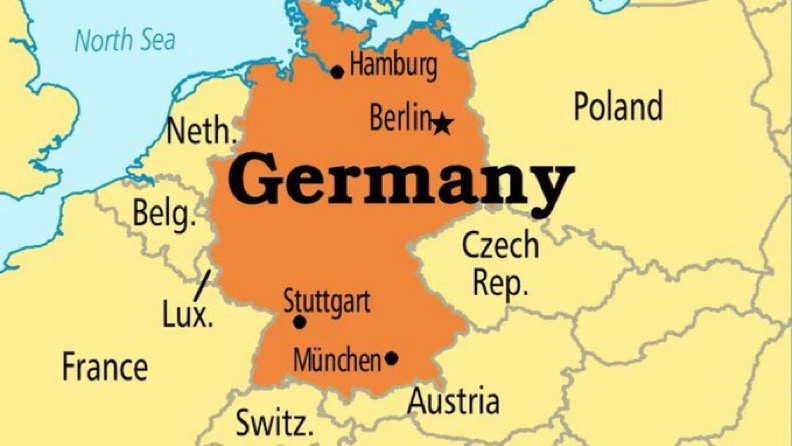
United Nations & Regional Powers: U.N. Secretary-General Antonio Guterres described the deal as a “critical step” toward a peaceful settlement. Turkish President Recep Tayyip Erdogan welcomed the development as a significant step for peace and tranquility in the region. Germany’s Chancellor, Friedrich Merz, urged for the agreement to be implemented with determination to support a reinvigorated global economy.
-
Bangladesh: The Ministry of Foreign Affairs expressed hope that the agreement will be implemented in good faith and prove durable.
Israel’s Stance
The response from the Israeli government remains defiant. Defense Minister Israel Katz stated that Israel will not withdraw its forces from territory currently held in Lebanon, Syria, and Gaza while the interim deal is pending. Katz warned that Israel would strike Iran with "great force" should Iran attack Israel in retaliation for recent strikes. Finance Minister Bezalel Smotrich condemned the agreement as "bad for Israel and for the entire free world," affirming that Israel would continue its own campaign to weaken Iran and prevent it from acquiring nuclear weapons.